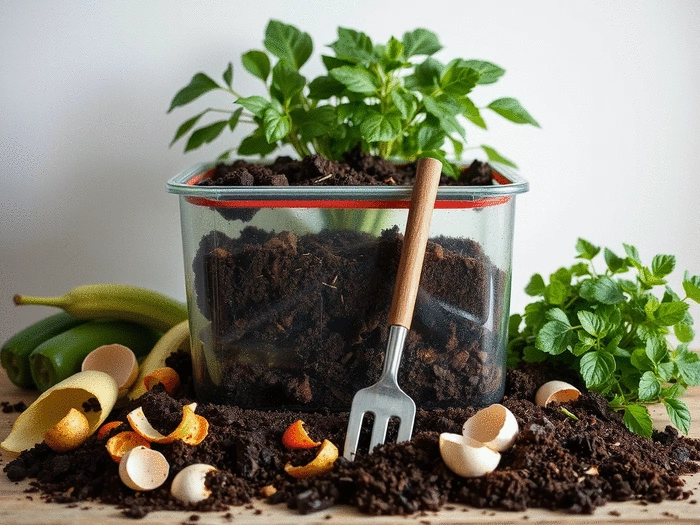
Have you ever considered how turning your kitchen scraps into nutrient-rich compost can transform your garden into a flourishing ecosystem? Composting is not just beneficial for your plants, but it's also a vital step toward a more sustainable environment.
What You Will Learn
Composting reduces organic waste, helping to lower landfill overflow and greenhouse gas emissions.
Using compost enhances soil fertility, providing essential nutrients to promote healthier plant growth.
Organic matter in compost improves soil structure, increasing drainage and aeration for better plant health.
Composting fosters a closed-loop system, recycling nutrients back into the soil and minimizing chemical dependency.
Creating your own compost is cost-effective, reducing the need for store-bought fertilizers and enabling customization for your plants.
Engaging with your community through composting can enhance your gardening experience and inspire others to participate.
Advanced composting techniques, such as Bokashi and hot composting, can optimize your composting efforts and improve soil quality.
By understanding and overcoming common composting myths, you can confidently encourage others to embrace this rewarding practice.
Composting: Key Benefits & Techniques
Composting offers numerous advantages for your garden and the environment. Below, we highlight the core benefits and various methods you can adopt to enhance your composting efforts. For those new to gardening, understanding these fundamentals is as crucial as knowing your organic gardening tips for beginners.
✨ Why Composting Matters
Waste Reduction: Diverts organic materials from landfills.
Soil Fertility: Adds essential nutrients back into the soil.
Microbial Life: Feeds beneficial microorganisms.
Cost-Effective: Reduces need for store-bought fertilizers.
Composting is a core practice for sustainable gardening, benefiting both your plants and the planet by reducing waste and enriching soil.
⬆️ Benefits of Homemade Compost
Cost-Effective: Produce your own organic fertilizer.
Customizable: Tailor to plant needs with specific ingredients.
Nature Connection: Deeper appreciation for natural processes.
🧪 Advanced Composting Methods
Bokashi Method: Breaks down food waste in airtight containers.
Hot Composting: Speeds decomposition with high heat.
Trench Composting: Bury scraps directly in the garden.
❌ Common Composting Myths
Myth: Composting is smelly and attracts pests.
Fact: Proper compost is earthy; no pests.
Myth: Only plant-based materials.
Fact: Bokashi allows broader range (meat, dairy).
✅ Overcoming Challenges
Excessive moisture: Add brown materials (leaves, cardboard).
Not enough heat: Turn pile regularly for aeration.
Odors: Balance greens and browns.
Understanding the Importance of Nutrient-Rich Compost for Your Garden
Composting is a fundamental practice that not only benefits your garden but also plays a crucial role in promoting soil health and environmental sustainability. By converting organic waste into nutrient-rich compost, we can enhance our garden's productivity while reducing landfill waste. Have you ever thought about how composting can help you create a thriving ecosystem right in your backyard?
At All American Gardeners, we believe that understanding the importance of composting is the first step in nurturing a healthy garden. Composting not only enriches the soil but also supports the biodiversity within it. It's a powerful way to close the loop on waste and contribute to a more sustainable future!
Why Composting Matters for Soil Health and Sustainability
Composting is essential for maintaining healthy soil. It improves soil structure, enhances moisture retention, and increases nutrient availability for plants. Here are some reasons why composting is a vital practice for every gardener:
Reduces Waste: Composting diverts organic materials from landfills, reducing landfill overflow and greenhouse gas emissions.
Enhances Soil Fertility: Compost adds essential nutrients back into the soil, promoting healthier plant growth.
Supports Microbial Life: Compost feeds beneficial microorganisms, fostering a thriving ecosystem that helps plants thrive.
By composting, we can not only nourish our gardens but also contribute to a healthier planet. It’s an easy, rewarding practice that anyone can adopt—so why not start today? For more ways to improve your garden's foundation, consider learning about tips for building garden beds.
Benefits of Creating Your Own Nutrient-Rich Compost
Creating your own compost offers a myriad of benefits. It’s not just about recycling waste; it’s about cultivating life in your garden. Here are some key advantages:
Cost-Effective: Reduce your need for store-bought fertilizers by producing your own organic compost.
Customizable: Tailor your compost to meet the specific needs of your plants by selecting the right ingredients.
Connection to Nature: Composting fosters a deeper appreciation for the natural processes at work in your garden.
As a passionate gardener, I find joy in watching my compost transform kitchen scraps into a valuable resource for my plants. It’s a rewarding journey that connects us to the cycle of growth and renewal!
The Role of Organic Matter in Composting
Organic matter plays a crucial role in composting, acting as a food source for microorganisms that break down materials. Adding a variety of organic materials—like kitchen scraps, leaves, and grass clippings—enhances the composting process. Here’s why organic matter is essential:
Improves Soil Structure: Organic matter helps bind soil particles, creating a crumbly texture that improves drainage and aeration.
Increases Nutrient Content: It releases nutrients slowly, ensuring that plants receive a steady supply of what they need.
Enhances Microbial Activity: A diverse mix of organic matter supports a thriving community of beneficial microbes in the soil.
Incorporating a variety of organic materials into your compost not only speeds up decomposition but also enriches the final product, creating a powerhouse of nutrients for your garden!
Understanding Nutrient Cycling and Its Impact on Your Garden
Nutrient cycling is the process by which nutrients move through the ecosystem, contributing to plant growth and health. By composting, we can harness this natural cycle to enrich our gardens. Here’s how nutrient cycling benefits you:
Closed Loop System: Composting creates a natural cycle where nutrients are recycled back into the soil, promoting sustainability.
Enhanced Plant Growth: Plants thrive on the nutrients released from compost, leading to healthier and more productive gardens.
Reduced Chemical Dependency: By relying on compost, you minimize the need for chemical fertilizers, which can harm the environment.
Understanding nutrient cycling empowers us as gardeners to create sustainable practices that benefit not only our gardens but also the wider ecosystem. It’s a beautiful cycle of giving and receiving!
Interactive Poll: Your Composting Journey
We'd love to hear about your composting experiences! Have you started your composting journey yet? Share your thoughts below:
Maximizing the Benefits of Your Home Composting Efforts
Composting is more than just a gardening chore; it’s a rewarding journey that can connect you with your community and enhance your gardening skills! At All American Gardeners, I believe that sharing our gardening successes is as important as the process itself. Let's explore how you can maximize the benefits of your home composting and make a positive impact!
Sharing Your Composting Success: Community and Resources
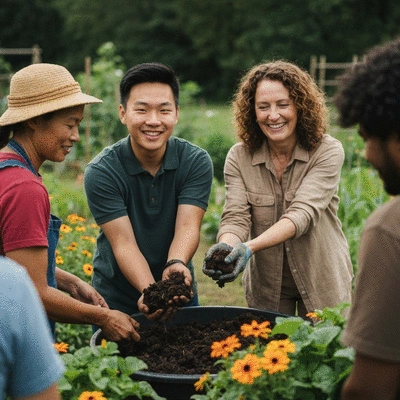
One of the most fulfilling aspects of composting is the opportunity to share your success with others. By connecting with fellow gardeners, you not only exchange tips but also inspire others to embark on their composting journeys. Here are some great ways to engage with your community:
Join local gardening clubs or online forums to share experiences and gain insights.
Participate in community gardening events or workshops focusing on composting.
Volunteer to teach composting techniques at schools or community centers.
Share your compost—good quality compost is often a delightful gift to friends and neighbors!
Don’t underestimate the power of community; it fosters growth and learning. Remember, sharing knowledge can transform not only your garden but also those of others!
Exploring Advanced Techniques: Bokashi and Beyond
If you’re ready to take your composting game to the next level, you might want to explore advanced techniques like Bokashi composting. This method is great for anyone looking to compost food scraps that are usually avoided. Bokashi is an anaerobic fermentation process that allows you to compost virtually anything, including dairy and meat!
Bokashi Method: Utilize a special mix of bran and microorganisms to break down food waste in an airtight container.
Hot Composting: Create a compost pile that generates high heat, speeding up the decomposition of materials.
Trench Composting: Bury kitchen scraps directly in the garden, allowing them to decompose in place.
Each of these techniques offers unique benefits tailored to specific needs and space constraints. By incorporating advanced methods, you can diversify your composting efforts and improve the quality of your garden soil!
Understanding Common Composting Myths and Facts
With the rise in popularity of composting, a few myths have emerged that can deter new gardeners. Let’s clear the air on some common misconceptions:
Myth: Composting is smelly and attracts pests. Fact: Properly maintained compost should have an earthy smell and not attract unwanted critters.
Myth: You can only compost plant-based materials. Fact: With methods like Bokashi, you can compost a broader range of kitchen scraps!
Myth: Composting is too complicated. Fact: Composting can be as simple or complex as you make it; just start with a basic pile!
By debunking these myths, we can encourage more gardeners to embrace composting and all its benefits! Remember, understanding the facts is key to successful composting.
Taking Action: Start Building Your Compost Today
Now that you’ve learned how to maximize the benefits of your home composting, it’s time to take action! Don’t let fear of challenges hold you back; every seasoned gardener has faced them! Here’s how you can start building your compost today.
Overcoming Common Composting Challenges
Challenges in composting are a normal part of the learning process. Here are some common issues and how to overcome them:
Excessive moisture: If your compost is too wet, add more brown materials like dried leaves or cardboard.
Not enough heat: Turn your pile regularly to aerate and promote decomposition.
Odors: Incorporate a mix of greens and browns to balance the nitrogen and carbon levels.
Taking the time to learn about these challenges will set you up for success as you begin your composting journey! To further enhance your gardening knowledge, explore plant care tips for home gardeners.
Join the Movement: Sustainable Practices for a Healthier Planet
Composting is not just a personal benefit; it's also a way to contribute to a healthier planet. By reducing waste and improving soil health, we support sustainable gardening practices that can have a lasting impact on our environment!
As part of the gardening community, you can play a vital role in advocating for sustainable practices. Let’s inspire others to join us in this green revolution!
Utilizing Compost as Organic Fertilizer and Soil Amendments
Once your compost is ready, it’s time to put it to good use! Here are some ways you can utilize your nutrient-rich compost:
Add it to your garden beds to enrich soil quality and support plant health.
Use it as a top dressing for potted plants or lawns.
Incorporate it into seed starting mixes for a nutrient boost.
By using compost as organic fertilizer, you create a self-sustaining cycle that benefits both your garden and the planet. It’s the ultimate win-win! This practice perfectly complements understanding top organic fertilizers for vegetables.
Recap of Key Points
Here is a quick recap of the important points discussed in the article:
Composting Benefits: Composting enriches soil, reduces waste, and supports microbial life.
Creating Your Own Compost: It's cost-effective, customizable, and fosters a connection to nature.
Importance of Organic Matter: Organic materials improve soil structure, nutrient content, and microbial activity.
Nutrient Cycling: Composting promotes a closed loop system that enhances plant growth and reduces chemical dependency.
Community Engagement: Sharing composting successes can inspire others and strengthen community ties.
Advanced Techniques: Methods like Bokashi and hot composting can enhance your composting efforts.
Overcoming Challenges: Address common composting issues like excessive moisture and odors by adjusting materials.
Utilizing Compost: Use your nutrient-rich compost to enrich garden beds, top dress plants, and boost seed starting mixes.
Frequently Asked Questions About Composting
Q: What are the main benefits of composting for my garden?
A: Composting enriches soil fertility by adding essential nutrients, improves soil structure for better drainage and aeration, supports beneficial microbial life, and helps retain soil moisture. It also reduces your need for store-bought fertilizers.
Q: How does composting help the environment?
A: Composting diverts organic waste from landfills, which significantly reduces landfill overflow and the emission of harmful greenhouse gases. It promotes a closed-loop system, recycling nutrients back into the soil and fostering sustainability.
Q: Can I compost meat and dairy products?
A: While traditional composting typically avoids meat and dairy to prevent pests and odors, advanced methods like Bokashi composting are specifically designed to break down a broader range of food scraps, including meat and dairy, in an airtight environment.
Q: What are some common composting myths?
A: Common myths include that composting is always smelly and attracts pests (fact: proper composting smells earthy and doesn't attract pests), that only plant-based materials can be composted (fact: methods like Bokashi allow for more), and that composting is too complicated (fact: it can be as simple or complex as you prefer).
Q: How can I overcome common composting challenges like odor or excessive moisture?
A: For excessive moisture, add more "brown" materials like dried leaves or cardboard to absorb it. If your compost pile has odors, it likely needs a better balance of "greens" (nitrogen-rich) and "browns" (carbon-rich) and more aeration. Turning the pile regularly can also help with both heat and aeration.
Subscribe & Share
2026-08-28
Growing Herbs with Hydroponics
Why settle for store-bought herbs when you can grow your own at home, in any space? Hydroponic garde
2026-08-27
Growing Sweet Corn from Seeds
Ready to transform your gardening experience? Selecting the right sweet corn seeds can make all the
Growing Your Own Garlic Bulbs
As you prepare to embark on your journey of growing garlic, consider this: garlic cultivation isn't
All American Gardeners
Your premier online resource for mastering home gardening across the U.S. We empower American home gardeners with expert tips, step-by-step guides, and sustainable practices for thriving outdoor spaces.
Trusted by gardeners nationwide, our mission is to provide reliable, easy-to-follow insights backed by Clara M. Greene's extensive horticulture experience and practical advice.