What if you could transform even the smallest space into a flourishing garden? Understanding how to choose the right raised garden beds can unlock your gardening potential, regardless of your experience level. Here are the essential insights you can gather from this article to help you embark on your gardening journey!
What You Will Learn
Identify your gardening goals to select the right type of raised garden bed.
Evaluate the available space, considering factors like sunlight and accessibility to water sources.
Explore various materials for raised garden beds, including wood, cedar, and metal, along with their pros and cons.
Understand different designs such as traditional rectangular beds and vertical garden boxes to suit your gardening style.
Learn about vertical and container gardening to maximize limited space creatively.
Engage with the gardening community for tips, inspiration, and shared experiences.
Optimizing Your Raised Garden Bed Choices
Understanding your gardening goals, available space, and material preferences are key to selecting the perfect raised garden bed. This visual guide highlights the core considerations for a flourishing garden.
Essential Considerations for Raised Garden Beds
Gardening Goals & Space
What to grow (veggies, herbs, flowers)
Available yard/balcony size
Sunlight exposure (min. 6 hrs)
Water access proximity
Material & Design Choices
Material: Wood, Cedar (decay-res.), Metal (durable)
Finding the Right Raised Garden Beds for Your Needs
As we dive into the world of raised garden beds, it’s essential to start with your gardening goals and the space you have available. Have you thought about what you want to grow? Whether it’s vibrant vegetables or beautiful blooms, understanding your aspirations can guide you in selecting the right type of garden bed.
Begin by assessing your available space. Take a moment to measure the area you plan to use. Make sure to consider factors such as sunlight exposure and proximity to water sources. These elements will influence not only the bed's size but also the types of plants that will thrive. Remember, a well-planned garden starts with a clear vision!
Understanding Your Gardening Goals and Space
Determine what you want to grow: vegetables, herbs, or flowers?
Evaluate the size of your yard or balcony—consider mobility for smaller spaces.
Analyze sunlight—most plants need at least 6 hours of sunlight daily.
Check water access—proximity to a hose or spigot is a big plus!
Once you've mapped out your goals and space, you can confidently choose the right raised garden bed that aligns with your gardening journey. Each decision contributes to creating a flourishing garden that reflects your passion and dedication!
Exploring Different Materials for Raised Garden Beds
The material you choose for your raised garden bed can significantly impact both durability and aesthetics. Here’s a quick overview of some common materials:
Wood: Natural and versatile, wood is easy to work with but may require treatment to prevent rot.
Cedar: A beautiful choice that’s naturally resistant to decay, making it a long-lasting option.
Metal: Durable and modern, metal beds heat up quickly but may require insulation for plant roots.
Each option has its pros and cons. For example, while wood is charming, it may not stand against the test of time if untreated. On the other hand, cedar provides longevity and an appealing look. When selecting materials, consider not just durability, but also sustainability—something we at All American Gardeners are passionate about! For more detailed information on materials and construction, you can refer to resources like the USDA's guide on raised garden beds.
Common Designs for Raised Garden Beds
Now, let’s explore some common designs that cater to different gardening styles and preferences. A well-designed bed can enhance both your gardening experience and the overall look of your space. For tips on building your own raised bed, check out this guide from Texas A&M AgriLife Extension.
Traditional Rectangular Beds: Perfect for most gardens, easy to access from all sides.
Square Foot Gardens: Maximizes space by dividing the bed into squares for efficient planting.
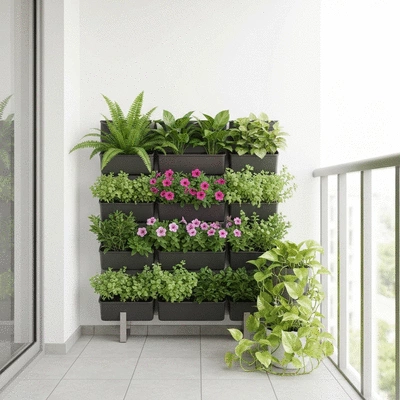
Vertical Garden Boxes: Great for small areas, allowing you to grow upward with climbing plants.
Choosing a design not only reflects your personal style but also influences how effectively you can manage and maintain your plants. Whether you opt for a classic rectangular shape or a trendy vertical garden, the right design can make all the difference!
We Want to Hear From You!
What gardening materials have you found most effective for your raised beds? Share your thoughts and experiences with us!
Frequently Asked Questions About Raised Garden Beds
What are the key benefits of using raised garden beds?
Raised garden beds offer numerous benefits, including better soil control, improved drainage, easier access for planting and harvesting, and the ability to garden in areas with poor native soil or limited space.
How do I determine the best location for my raised garden bed?
The ideal location for a raised garden bed should receive at least 6 hours of direct sunlight daily. It should also be conveniently located near a water source for easy irrigation.
What materials are best for constructing raised garden beds?
Common materials include wood (like cedar for its natural decay resistance), metal for durability and a modern look, and even recycled materials. Each has its pros and cons regarding cost, longevity, and aesthetics. You can find more comprehensive details on various options, including USDA guidelines for raised beds.
Can I grow vegetables in a vertical garden?
Yes, many vegetables are well-suited for vertical gardening, especially climbing plants like certain varieties of tomatoes, cucumbers, beans, and peas. Leafy greens and herbs can also thrive in vertical setups.
What should I consider when choosing containers for container gardening?
When selecting containers, ensure they are deep enough to accommodate the root systems of your chosen plants and have adequate drainage holes to prevent waterlogging. The material of the container should also be suitable for your local climate.
Making the Most Out of Your Gardening Space
When it comes to home gardening, making the most of your available space is key! Whether you have a sprawling backyard or a small balcony, utilizing raised garden beds can truly transform how you grow your plants. From choosing the right bed to keeping it in top shape, every decision counts toward cultivating a thriving garden. Let’s dive into some essential strategies!
Exploring Vertical Gardening and Container Gardening Options
Have you ever thought about how vertical gardening could change your gardening game? By growing plants upwards instead of outwards, you can maximize your limited space while adding a striking visual element to your garden. Here are some benefits of vertical gardening:
Space-saving: Perfect for patios and small yards.
Improved air circulation: Helps prevent disease and promotes healthy growth.
Accessibility: Easier to reach plants, especially for those with mobility issues.
In addition, container gardening is another fantastic way to utilize your space creatively. You can place containers in any sunny spot, whether it's on your porch, balcony, or even indoors! Consider the following when choosing containers:
Size matters—ensure your pots are deep enough for root growth!
Drainage holes are essential to prevent overwatering.
Choose materials that suit your climate, such as clay for hot areas or insulated pots for cooler regions.
Join the Gardening Community Today
At All American Gardeners, we believe in the power of community! Engaging with fellow gardening enthusiasts can provide you with valuable insights and inspiration. Why not share your success stories or ask for advice in community forums? Here are some ways to get involved:
Join local gardening clubs or online groups.
Participate in community events or workshops.
Subscribe to newsletters for the latest tips and trends!
Don’t forget to follow us for updates and to connect with other passionate gardeners. After all, gardening is a journey best enjoyed together! Let's nurture our gardens and grow a supportive community, one plant at a time!
Recap of Key Points
Here is a quick recap of the important points discussed in the article:
Assess your gardening goals to determine the type of plants you want to grow.
Evaluate your available space, considering sunlight exposure and water access.
Choose materials for raised garden beds that ensure durability and sustainability.
Explore different designs to find one that fits your gardening style and space.
Utilize vertical and container gardening techniques to maximize limited spaces.
Engage with the gardening community for support, ideas, and inspiration.
Subscribe & Share
2026-08-28
Growing Herbs with Hydroponics
Why settle for store-bought herbs when you can grow your own at home, in any space? Hydroponic garde
2026-08-27
Growing Sweet Corn from Seeds
Ready to transform your gardening experience? Selecting the right sweet corn seeds can make all the
Growing Your Own Garlic Bulbs
As you prepare to embark on your journey of growing garlic, consider this: garlic cultivation isn't
All American Gardeners
Your premier online resource for mastering home gardening across the U.S. We empower American home gardeners with expert tips, step-by-step guides, and sustainable practices for thriving outdoor spaces.
Trusted by gardeners nationwide, our mission is to provide reliable, easy-to-follow insights backed by Clara M. Greene's extensive horticulture experience and practical advice.