Cultivate Your Best Garden!

Join Clara M. Greene's community for expert tips and seasonal guides tailored for American gardeners.

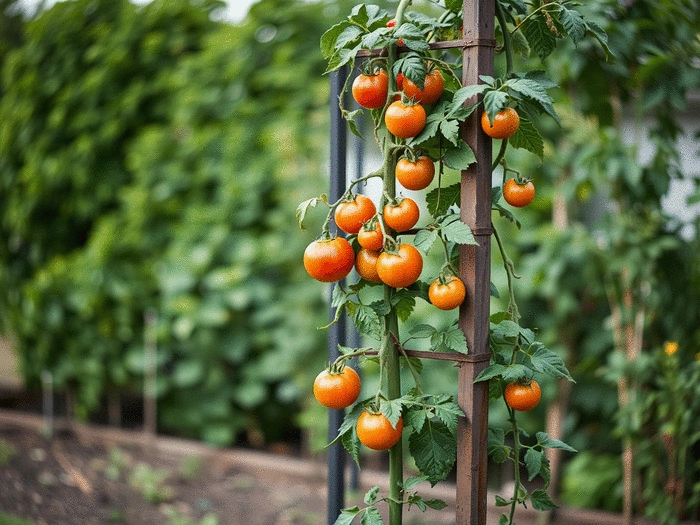
Grow Tomatoes with Vertical Trellis


Grow Tomatoes with Vertical Trellis

Posted on: 2026-05-14
By: Clara M. Greene


What if you could grow more tomatoes in less space while enhancing the beauty of your garden? A vertical tomato trellis can help you achieve this and much more. This simple yet effective gardening technique not only optimizes your growing area but also boosts the health and productivity of your plants. Let’s explore the key benefits and insights into vertical gardening with tomatoes!

What You Will Learn

  • Vertical tomato trellises maximize limited gardening space by allowing plants to grow upwards.
  • Improved airflow reduces disease risks, promoting healthier tomatoes and better yields.
  • Using the right companion plants can enhance flavor and deter pests in your vertical garden.
  • Proper spacing (18-24 inches) between plants ensures optimal growth and access to sunlight.

Vertical Trellising Benefits and Companion Planting Guide

This visual guide outlines the key advantages of vertical tomato trellising and illustrates effective companion planting strategies for a healthier, more productive garden. For more comprehensive insights into vertical gardening, explore exploring vertical garden benefits.

Benefits of Vertical Trellising

  • Space Efficiency
  • Improved Airflow & Disease Prevention
  • Enhanced Support (Prevents Stem Breakage)
  • Easier Harvesting & Pest Management

Top Companion Plants

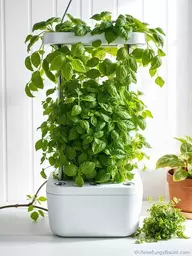
  • Basil (Flavor, Pest Repellent)
  • Marigolds (Deters Harmful Insects)
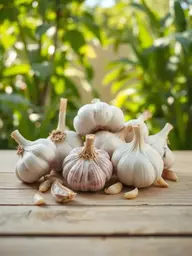
  • Garlic (Aphid/Mite Control)
  • Parsley (Attracts Beneficial Insects)
  • Radishes (Soil Aeration for Roots)

Plant Spacing for Yield

  • 18-24 inches between tomato plants for optimal airflow and sunlight.
  • Consider growth habits; some varieties need more space.
  • Plan companion plants to fill gaps without overcrowding.

Understanding the Benefits of a Vertical Tomato Trellis

Have you ever thought about maximizing your garden space while growing delicious tomatoes? A vertical tomato trellis might just be the solution you need! This simple yet effective structure allows you to cultivate your tomato plants upwards, making it easier to care for and harvest them. Plus, it adds an appealing aesthetic to your garden landscape!

What is a Vertical Tomato Trellis?

A vertical tomato trellis is a support system designed to hold tomato plants upright as they grow. It typically consists of sturdy materials like wood or metal, arranged in a way that allows the plants to climb—either by using twine, wire, or the natural growth of the plant itself. This method not only supports the plants but also keeps the fruits off the ground, reducing the risk of rot and pests.

  • Sturdy support to keep plants upright
  • Enhanced air circulation around the plants
  • Easy access for watering and harvesting

Vertical gardening techniques, such as the use of trellises, can be especially beneficial in smaller spaces, allowing you to create a more productive garden without requiring a larger footprint.

Why Choose Vertical Gardening for Tomatoes?

Choosing vertical gardening for your tomatoes comes with a range of advantages that can enhance your gardening experience. Let's look at a few key reasons to consider this method!

Space Efficiency in Small Gardens

If you're gardening in a small backyard or on a balcony, you know how precious space can be. Vertical gardening helps maximize your available area by allowing you to grow upwards instead of outwards. This means you can plant more tomato varieties without feeling cramped!

  • Utilizes vertical space effectively
  • Facilitates planting in tight areas
  • Encourages creativity in garden design

By growing your tomatoes vertically, you can fit more plants into your garden and still maintain easy access to each one. It’s a win-win for any gardener!

Improved Airflow and Disease Prevention

Another significant benefit of using a vertical trellis is the improved airflow around your plants. Good circulation helps keep foliage dry, reducing the chances of diseases like blight. When your tomato plants can breathe, they’re not just healthier; they can produce more fruit! To further boost plant health and prevent issues, consider implementing natural pest control for gardens.

  • Reduces humidity around plants
  • Minimizes disease risk
  • Enhances overall plant health

As you can see, vertical gardening promotes a more sustainable approach to growing tomatoes, which aligns perfectly with our mission here at All American Gardeners.

The Role of Plant Support in Vertical Gardening

Lastly, using a vertical trellis provides essential support for your tomato plants as they grow heavier with fruit. Without proper support, plants can topple over, which can damage stems and reduce yields. A reliable trellis system ensures that your plants grow strong and stay upright.

  • Prevents stem breakage
  • Encourages healthier growth patterns
  • Aids in easier pest and disease management

By incorporating a vertical trellis, you’re not just enhancing the look of your garden but also ensuring your tomatoes thrive!

Exploring Different Vertical Tomato Trellis Options

Now that we’ve covered the benefits of vertical trellising, let's delve into the various options available for creating your own tomato support system. Choosing the right trellis can make all the difference in your gardening success!

Pro Tip

To maximize the benefits of your vertical tomato trellis, consider using a staggered planting approach. By placing taller tomato varieties at the back or center and shorter ones at the front or edges, you ensure that all plants receive adequate sunlight and airflow. This arrangement not only enhances growth but also creates a visually appealing garden layout!

Integrating Companion Planting with Vertical Trellises

Companion planting is a fantastic way to enhance your vertical tomato trellis system! By pairing tomatoes with the right plants, you can improve growth, flavor, and even pest resistance. So, what are the best companion plants for tomatoes? Let’s dive into some great options!

Best Companion Plants for Tomato Trellis Systems

  • Basil: Known for its aromatic leaves, basil not only enhances the flavor of tomatoes but also helps repel pests.
  • Marigolds: These cheerful flowers deter harmful insects and add a splash of color to your garden.
  • Garlic: Planting garlic nearby can help keep aphids and spider mites at bay.
  • Parsley: This herb attracts beneficial insects that prey on garden pests.
  • Radishes: They grow quickly and can help break up the soil, making it easier for tomato roots to thrive.

By incorporating these companions, you create a harmonious ecosystem that encourages healthy growth and minimizes problems. Plus, it’s a fun way to experiment with different plant combinations! For more detailed guidance, explore our companion planting for better yields guide.

Enhancing Growth and Pest Control through Companion Planting

Companion planting enhances both growth and pest control through a natural balance that benefits all plants involved. For instance, the strong scent of basil can confuse pests looking for tomatoes, effectively keeping them away. Additionally, certain plants can increase soil nutrients, promoting healthier tomatoes. This symbiotic relationship is not just smart gardening; it's a sustainable practice that aligns perfectly with my passion for empowering home gardeners!

  • Improved taste and growth rates
  • Natural pest deterrents
  • Enhanced pollination through flowered companions

When selecting companions, consider which plants grow well together and how they can support each other's needs. The right combinations can lead to a thriving vertical garden!

Understanding Plant Spacing for Maximum Yield

Proper plant spacing is crucial for maximizing your tomato yield. With vertical gardening, you have the opportunity to save space while ensuring each plant has room to flourish. Ideally, you should space your tomatoes about 18-24 inches apart on the trellis. This allows for adequate airflow and sunlight, which are essential for healthy plants.

  • Maintain 18-24 inches between each tomato plant.
  • Consider the growth habit of each plant: some may require more space.
  • Plan for companion plants to fill in the gaps without overcrowding.

By paying attention to spacing, you can achieve a vibrant and productive garden that brings joy to your home! Remember, each plant's growth potential increases when they have enough room to breathe and thrive.

Addressing Common Challenges with Vertical Trellising

Vertical gardening is an exciting journey, but like any endeavor, it comes with its challenges. Whether you’re facing weather changes or plant health issues, I’m here to help you troubleshoot and overcome these hurdles!

Troubleshooting Issues: What to Do When Things Go Wrong

When things don't go as planned, the key is to stay calm and assess the situation. For instance, if your plants appear wilting despite regular watering, it may be a sign of overwatering or root rot. Here's how to troubleshoot:

  • Check soil moisture levels; look for waterlogged conditions.
  • Inspect leaves for discoloration, which may indicate nutrient deficiencies.
  • Examine the trellis for stability; ensure plants are well-supported.

Identifying issues early can prevent bigger problems down the road, allowing you to enjoy a flourishing garden!

Tips for Preventing Common Problems like Stem Breakage

Stem breakage can be a real concern for vertical tomato gardeners. Thankfully, there are several preventive measures you can take:

  • Use sturdy trellis materials to support heavy plants.
  • Employ techniques like the Florida weave to strengthen the plant's structure.
  • Regularly monitor growth and provide additional support as needed.

By proactively caring for your plants, you’ll reduce the risk of damage and enjoy a healthier harvest!

Managing Sunlight Exposure and Water Needs

Sunlight exposure is essential for your tomato plants, especially in a vertical system where plants grow upward. Ensure your trellis is positioned to receive at least six hours of direct sunlight daily. Additionally, monitor your watering practices closely:

  • Water deeply but infrequently to encourage strong root growth.
  • Use mulch to retain moisture and regulate soil temperature.
  • Adjust your watering schedule based on rainfall and temperature changes.

With the right balance of sunlight and water, your tomatoes will thrive and produce delicious fruits that you can be proud of!

Frequently Asked Questions About Vertical Tomato Trellising

Q: What is a vertical tomato trellis?
A: A vertical tomato trellis is a support system that helps tomato plants grow upwards, maximizing space and keeping fruit off the ground. This method improves air circulation and reduces the risk of diseases and pests.
Q: What are the main benefits of using a vertical trellis for tomatoes?
A: The main benefits include maximizing garden space, improving airflow to prevent diseases, providing essential support to prevent stem breakage, and making harvesting and pest management easier.
Q: How far apart should I space my tomato plants on a vertical trellis?
A: For optimal growth, air circulation, and sunlight, tomato plants should ideally be spaced 18-24 inches apart on a vertical trellis.
Q: What are some good companion plants for tomatoes on a trellis?
A: Excellent companion plants include basil (enhances flavor, repels pests), marigolds (deterr harmful insects), garlic (aphid/mite control), parsley (attracts beneficial insects), and radishes (soil aeration). These promote a healthier ecosystem.
Q: How can I prevent stem breakage in vertical tomato plants?
A: To prevent stem breakage, use sturdy trellis materials, employ techniques like the Florida weave to strengthen the plant's structure, and regularly monitor growth to provide additional support as needed.

Recap of Key Points

Here is a quick recap of the important points discussed in the article:
  • Utilize vertical tomato trellises to maximize garden space and enhance air circulation.
  • Implement companion planting to improve growth, flavor, and pest resistance.
  • Ensure proper plant spacing of 18-24 inches to optimize yield and health.
  • Use sturdy materials for trellises to prevent stem breakage and support heavy fruit.
  • Monitor sunlight exposure and watering practices for thriving tomato plants.

Subscribe & Share
Caring for Indoor Chinese Elm Bonsai Caring for Indoor Chinese Elm Bonsai As you embark on the enriching journey of indoor gardening, consider this: the Chinese Elm bonsai is
Growing Zinnia Seeds at Home Growing Zinnia Seeds at Home If you're seeking to transform your garden into a vibrant oasis, zinnia seeds could be your best fri
Creating Your Indoor Herb Garden Creating Your Indoor Herb Garden Are you ready to enhance your cooking with a touch of nature right from your kitchen? With indoor he
Understanding Vertical Hydroponics Basics Understanding Vertical Hydroponics Basics Are you ready to transform your gardening experience? Vertical hydroponics is not just a trend; it's
Grow Tomatoes with Vertical Trellis Grow Tomatoes with Vertical Trellis What if you could grow more tomatoes in less space while enhancing the beauty of your garden? A vert
Choosing Landscape Edging Stones Choosing Landscape Edging Stones Ever wondered how to elevate your garden's aesthetics while keeping it organized? Landscape edging s
Banner
All American Gardeners

Your premier online resource for mastering home gardening across the U.S. We empower American home gardeners with expert tips, step-by-step guides, and sustainable practices for thriving outdoor spaces.

Trusted by gardeners nationwide, our mission is to provide reliable, easy-to-follow insights backed by Clara M. Greene's extensive horticulture experience and practical advice.

Cultivate Your Garden
Recent Posts
Caring for Indoor Chinese Elm Bonsai Caring for Indoor Chinese Elm Bonsai

As you embark on the enriching journey of indoor g

Growing Zinnia Seeds at Home Growing Zinnia Seeds at Home

If you're seeking to transform your garden into a

Creating Your Indoor Herb Garden Creating Your Indoor Herb Garden

Are you ready to enhance your cooking with a touch

Gardening Wisdom from All American Gardeners