Key Benefits of Companion Planting
- ✓ Improves plant health & resilience
- ✓ Enhances flavor & nutrient content
- ✓ Reduces pest infestations naturally
Join Clara M. Greene's community for expert tips and seasonal guides tailored for American gardeners.
Posted on: 2026-04-26
By: Clara M. Greene
Have you ever wondered how the vibrant colors and rich flavors of your garden can be enhanced naturally? Companion planting might just hold the key to transforming your gardening experience!
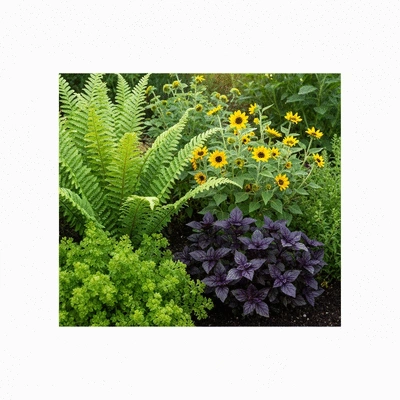
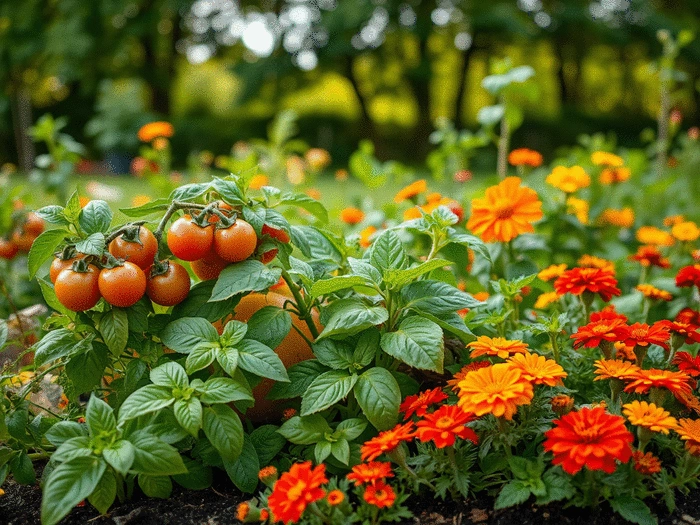
Companion planting is a natural gardening strategy that enhances garden health and productivity by leveraging beneficial plant interactions. This visual provides a quick overview of its key advantages. For more in-depth knowledge, consider exploring organic gardening tips for beginners to further your sustainable practices.
As a passionate gardener, I've discovered that companion planting is one of nature's best-kept secrets! This method involves growing different plants together to create mutually beneficial relationships that can enhance your garden's health and productivity. When you understand what companion planting is and why it's so important, you can unlock the full potential of your gardening space.
Companion planting refers to the practice of placing certain plants close together for the benefit of one or both. It’s a simple yet effective strategy that can lead to better yields, healthier plants, and reduced pests. But why is it so vital? Well, companion planting can enhance plant growth and deter pests without relying heavily on chemicals! By fostering these natural relationships, you create a thriving ecosystem right in your backyard.
By understanding the benefits of pairing plants wisely, you can harness nature's power to create a garden that flourishes with less effort. It’s all about working with nature instead of against it!
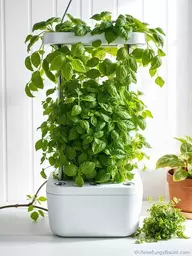
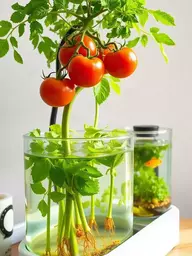
The fascinating science behind companion planting lies in the way plants interact with each other. Certain plants can release natural chemicals that repel pests or attract beneficial insects, creating a protective shield around their neighbors. For example, when tomatoes are paired with basil, the latter enhances the flavor of the tomatoes while deterring insects like aphids! If you're interested in more advanced pest control, check out our guide on natural pest control for gardens.
By understanding these interactions, we can create a garden that not only looks beautiful but is also healthy and productive. Remember, a little science goes a long way in gardening!
Biodiversity plays a crucial role in creating a resilient garden. By planting a variety of species, you boost the ecosystem’s health and stability. This diversity attracts a wide range of beneficial insects, which help with pollination and pest control. Plus, it creates a visually stunning space that reflects nature's beauty!
Embracing biodiversity in your garden is not just a trend; it’s a sustainable approach that benefits both the gardener and the environment! Let’s work together to cultivate a beautiful and thriving garden that respects the natural world.
A: Companion planting is a gardening strategy where different plant species are grown close together to provide mutual benefits, such as enhanced growth, natural pest control, or improved soil health.
A: The main benefits include improved plant health and resilience, enhanced flavor and nutrient content, natural pest deterrence, attraction of beneficial insects, and better soil health, all while reducing the need for chemical pesticides.
A: Some companion plants release natural chemicals (allelopathy) that repel pests, while others attract beneficial insects that prey on common garden pests.
A: Yes, certain plant pairings, like tomatoes and basil, are known to enhance the flavor of neighboring crops.
A: Absolutely! Companion planting is a versatile and sustainable approach that can be applied to any garden, from small urban plots to large agricultural spaces.
Have you tried companion planting in your garden? What plant pairings have you found to be most effective? Share your experiences and thoughts below:
As we draw our exploration of companion planting to a close, I want to highlight just how impactful this natural gardening strategy can be for your outdoor space. Embracing companion planting not only enhances the health and productivity of your garden but also fosters a more sustainable approach to gardening. With thoughtfully selected plant pairings, you can create a thriving ecosystem right in your backyard!
Here are some key takeaways to remember: the right combinations can significantly improve pest control, encourage beneficial insect populations, and enrich your soil health. By understanding which plants complement each other, you can cultivate a garden that's not only beautiful but also environmentally friendly! For those looking to optimize specific planting strategies, reviewing companion planting guides by zone can provide tailored advice.
Each of these points plays a crucial role in building a sustainable garden that thrives without heavy reliance on artificial interventions. By keeping these benefits in mind, you can ensure that your gardening efforts yield a bountiful harvest and promote ecological wellness!
Gardening is all about exploration and discovery! I encourage you to experiment with different plant pairings and observe the results. Each garden is unique, and trying new combinations can lead to delightful surprises! Don't hesitate to share your findings with fellow gardeners—after all, we can all learn from each other's experiences. You might find that a particular pairing works wonders in your garden, and sharing that knowledge can help others.
Consider joining local gardening groups or online forums where you can exchange tips and stories. The gardening community is vibrant and supportive, and it’s a wonderful place to find inspiration and motivation!
Are you ready to dive into the world of companion planting? Start by selecting a few companion plants that interest you and planning your layout. Remember to take notes on your progress and the outcomes. Over time, you’ll develop a keen understanding of what works best in your unique gardening environment.
At All American Gardeners, we’re here to support you every step of the way. Our resources, guides, and community are all designed to help you become a more successful gardener. So, let’s get started on this exciting journey together—happy gardening! If you're planning your garden layout, you might also find our tips for building garden beds useful to optimize your space.
Here is a quick recap of the important points discussed in the article: