Bonsai Tree Starter Kit Basics
Posted on: 2026-03-10
By: Clara M. Greene
Are you aware that the art of bonsai gardening can offer not just a hobby but a pathway to tranquility and mindfulness? Engaging with nature in such an intimate way can transform your perspective on gardening. Whether you're a novice or have some experience, understanding the essentials of bonsai is crucial for success.
What You Will Learn
- A well-rounded bonsai starter kit typically includes seeds or pre-trained trees, pots, soil mix, and essential tools.
- Choosing between seeds and pre-trained trees depends on your commitment level; seeds require patience, while pre-trained trees provide immediate satisfaction.
- Recommended beginner-friendly bonsai trees include Ficus, Juniper, and Chinese Elm, each offering unique care requirements and aesthetics.
- Understanding indoor vs. outdoor bonsai is key; each type has distinct environmental needs affecting growth and health.
- When selecting a starter kit, look for quality seeds, included tools, price point, and user reviews to ensure a satisfying experience.
- Bonsai trees can be manageable with proper care, including regular watering, sufficient sunlight, and temperature control.
- Stay proactive against pests by inspecting your bonsai regularly and using natural remedies like neem oil.
- Sharing your bonsai journey not only enriches your experience but also inspires others to connect with nature and gardening.
Bonsai Tree Starter Kit Components
Explore the essential components of a bonsai tree starter kit and the comparison between seeds and pre-trained trees below. For more insights into specialized gardening, consider starting hydroponics: a beginner's guide.
Bonsai Kit Components
- Bonsai Tree Seeds or Pre-Trained Trees: Grow from seeds or start with a young tree.
- Bonsai Pot: Properly sized for the tree's health.
- Soil Mix: Retains moisture and nutrients.
- Tools: Includes pruning shears, wire, and a watering can.
Seeds vs. Pre-Trained Trees
- Seeds: Time-consuming but rewarding; nurture from the beginning.
- Pre-Trained Trees: Ready to go; ideal for immediate enjoyment.
Understanding the Bonsai Tree Starter Kit: A Comprehensive Overview
Are you ready to embark on a delightful journey into the world of bonsai? At All American Gardeners, we believe that growing bonsai trees can be a rewarding experience, especially for beginners. In this section, we'll explore what a bonsai tree starter kit includes, from essential tools to various types of kits available to suit your preferences!
Defining What a Bonsai Tree Starter Kit Includes
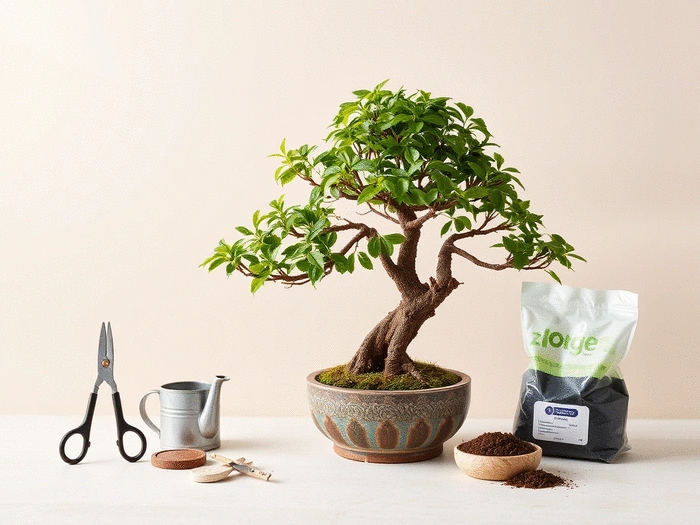
A bonsai tree starter kit is designed to give you everything you need to successfully start your bonsai journey. Typically, these kits come with several essential components that help make the process more straightforward for beginners. Here’s a quick overview of what you might find in a well-rounded kit:
- Bonsai Tree Seeds or Pre-Trained Trees: Depending on your choice, you'll either receive seeds to grow your tree from scratch or a young, pre-trained bonsai.
- Bonsai Pot: A properly sized pot is crucial for the health of your bonsai.
- Soil Mix: A special bonsai soil mix helps retain moisture and provides the right nutrients.
- Tools: Common tools include pruning shears, wire, and a watering can.
Essential Components of a Bonsai Starter Kit
As mentioned, a bonsai starter kit typically includes several vital components. These elements work together to ensure your success as you nurture your bonsai tree. The most important parts are:
- Pruning Tools: Essential for shaping your bonsai and maintaining its health.
- Watering Can: Ensures you can easily keep your tree hydrated.
- Instruction Manual: A detailed guide will help you understand how to care for your bonsai.
Having these components will set you up for success in your bonsai gardening journey! For a more general understanding of plant care, you might also find our plant care tips for home gardeners helpful.
Different Types of Kits: Seeds vs. Pre-trained Trees
When choosing a bonsai starter kit, you’ll often face a choice between seeds and pre-trained trees. Each option has its benefits, depending on your level of commitment and gardening experience.
- Seeds: Growing from seeds takes time and patience but can be incredibly rewarding. You’ll have the satisfaction of nurturing your tree from the very beginning.
- Pre-trained Trees: These are ready to go! Ideal for beginners who want to jump right in without the wait. They come with established roots and a developed shape.
Both options offer unique advantages, so consider what excites you most about starting your bonsai garden!
Exploring Beginner-Friendly Bonsai Tree Options
Now that we understand what a bonsai starter kit includes, let’s dive into some beginner-friendly bonsai tree options! Selecting the right tree is crucial for ensuring you can successfully care for your new plant. Here are some top choices for beginners:
- Ficus: Known for its forgiving nature, the Ficus bonsai is perfect for new gardeners.
- Juniper: This hardy tree is great for outdoor environments and can be styled in various ways.
- Chinese Elm: Easy to care for and resilient, Chinese Elm is an excellent choice for indoor bonsai.
Top Choices for Beginner Bonsai Trees
Choosing the right variety of bonsai tree is vital for success. As a beginner, here are some top picks that I highly recommend:
- Ficus Retusa: A popular choice, it's very adaptable and can thrive indoors.
- Chinese Elm: Fantastic for beginners and responds well to pruning.
- Juniper Procumbens: A great outdoor option that can be styled easily.
These trees are not only beautiful but also manageable for new bonsai enthusiasts!
Popular Miniature Bonsai Varieties: Juniper, Ficus, and More
Among miniature bonsai varieties, Juniper and Ficus stand out as favorites, but there are many others to consider. Here’s a quick list of popular options:
- Japanese Maple: Offers stunning seasonal color changes.
- Boxwood: A resilient choice that can be pruned into various shapes.
- Azalea: Known for its vibrant flowers, this tree adds beauty to your collection!
Indoor vs. Outdoor Bonsai: Choosing the Right Environment
When selecting your bonsai, it’s essential to consider where you plan to keep it. Indoor and outdoor bonsais have different care requirements and environmental needs:
- Indoor Bonsai: Ideal for those with limited outdoor space. These trees thrive in controlled environments.
- Outdoor Bonsai: These trees need natural sunlight and can tolerate outdoor conditions.
Decide what environment works best for you and choose a bonsai tree that will flourish in that space! For more gardening insights, visit All American Gardeners.
Pro Tip
Did you know? Starting with a bonsai tree that is native to your region can significantly improve your chances of success. Native species are usually better adapted to local climate conditions and require less maintenance, making them ideal for beginners.
Frequently Asked Questions About Bonsai Tree Starter Kits
As you embark on your bonsai journey, it's natural to have questions. Bonsai trees can be a fascinating yet complex hobby, and understanding the essentials can make your experience much more enjoyable. Let’s dive into some frequently asked questions to help you navigate through your choices and care for your bonsai!
What is the Best Bonsai Starter Kit for Beginners?
Choosing the best bonsai starter kit can make all the difference in your gardening adventure! Here are some key factors to consider when selecting a kit:
- Quality of Seeds or Trees: Look for kits that offer healthy seeds or pre-trained trees to ensure a better start.
- Included Tools: A good kit should have essential tools such as pruning shears, wire, and a care guide.
- Price Point: Balance your budget with the quality; sometimes investing a bit more leads to better results.
- User Reviews: Check testimonials to see what other beginners have to say about their experiences.
At All American Gardeners, we often recommend kits like the “Bonsai Starter Essentials Kit” that caters to beginners with all the necessary components!
Are Bonsai Trees Easy to Care For?
Many new gardeners wonder if bonsai trees are easy to care for. The truth is, they can be manageable with the right knowledge! Here are a few tips to simplify your care routine:
- Regular Watering: Keep the soil consistently moist, but avoid overwatering.
- Sunlight Needs: Place your bonsai in a location where it gets ample sunlight—about 4-6 hours daily.
- Temperature Control: Be mindful of the temperature; most bonsai prefer a stable climate.
With patience and practice, you’ll find that caring for bonsai trees can be quite rewarding!
How to Handle Common Bonsai Pests and Fungal Diseases?
Keeping your bonsai healthy also means being vigilant about pests and diseases. If you spot any issues, here’s how to tackle common problems:
- Inspect Regularly: Regularly check your plants for pests like aphids, spider mites, and scale insects.
- Natural Remedies: Use insecticidal soap or neem oil to treat infestations gently.
- Preventive Measures: Ensure good air circulation around your bonsai and avoid overcrowding.
By staying proactive, you can maintain a thriving bonsai garden free of pests! You can learn more about bonsai tree care tips to keep your plants healthy and vibrant.
FAQs
- What does a typical bonsai starter kit include?
A typical kit includes bonsai seeds or a pre-trained tree, a suitable pot, specialized soil mix, and essential tools such like pruning shears, wire, and a watering can. - Should I choose seeds or a pre-trained tree?
Choosing between seeds and pre-trained trees depends on your patience and commitment. Seeds offer a rewarding, long-term experience of nurturing from scratch, while pre-trained trees provide immediate enjoyment and are ideal for beginners who want to start with an established plant. - Which bonsai trees are best for beginners?
Beginner-friendly bonsai trees include Ficus, Juniper, and Chinese Elm. These varieties are known for their resilience and adaptability, making them easier to care for for new enthusiasts. - What's the difference between indoor and outdoor bonsai?
Indoor bonsai are suited for controlled environments and thrive indoors, making them ideal for those with limited outdoor space. Outdoor bonsai require natural sunlight and can tolerate various outdoor conditions, making them better for gardens or patios. - What are key care tips for a healthy bonsai?
Key care tips include regular watering to keep the soil consistently moist (but not waterlogged), providing ample sunlight (4-6 hours daily), and maintaining a stable temperature. Regular inspection for pests and diseases, along with using natural remedies like neem oil, is also crucial.
Wrapping Up Your Bonsai Starter Kit Purchase
Now that you have a better understanding of bonsai starter kits, it’s time to make your choice! Selecting the right kit can enhance your gardening experience and set the stage for future success. Here are a few key considerations to keep in mind:
Making the Right Choice: Key Considerations When Buying
- Your Environment: Consider whether you have the right conditions for indoor or outdoor bonsai.
- Your Commitment: Think about how much time you can dedicate to caring for your bonsai.
- Learning Resources: Look for kits that provide comprehensive guides or access to supportive communities.
Investing time in research will pay off as you create your beautiful bonsai garden.
Encouragement to Share Your Bonsai Journey
Finally, I encourage you to share your bonsai journey with others! Bonsai gardening is not just about growing trees; it’s about connecting with nature and enjoying the process.
Invitation to Submit Your Success Stories or Questions
Have you recently started your bonsai journey? I invite you to reach out to All American Gardeners with your success stories or any questions you may have. We love hearing from our community, and your experiences can inspire others to dive into the world of bonsai gardening! Explore other organic gardening tips for beginners to further your green thumb.
Recap of Key Points
Here is a quick recap of the important points discussed in the article:
- Bonsai Starter Kit Components: Essential items include bonsai seeds or pre-trained trees, a bonsai pot, a suitable soil mix, and necessary tools like pruning shears and watering cans.
- Choosing Between Seeds and Pre-trained Trees: Seeds offer a rewarding, hands-on experience, while pre-trained trees are convenient for immediate enjoyment.
- Beginner-Friendly Bonsai Trees: Recommended varieties for beginners include Ficus, Juniper, and Chinese Elm due to their resilience and ease of care.
- Indoor vs. Outdoor Bonsai: Consider your environment; indoor bonsai thrive in controlled settings, while outdoor bonsai require natural sunlight.
- Care Tips: Regular watering, optimal sunlight exposure, and temperature control are key to maintaining healthy bonsai trees.
- Addressing Pests and Diseases: Regular inspections and the use of natural remedies are essential for preventing and treating common issues.
 Why settle for store-bought herbs when you can grow your own at home, in any space? Hydroponic garde
 Ready to transform your gardening experience? Selecting the right sweet corn seeds can make all the
 Imagine harvesting juicy, flavorful tomatoes while actively contributing to sustainable agriculture.
 What if I told you that the secret to growing robust rosemary lies in the soil beneath your feet? Un
 Have you ever wondered how innovative techniques in gardening can reshape our food production? Hydro
 As you prepare to embark on your journey of growing garlic, consider this: garlic cultivation isn't