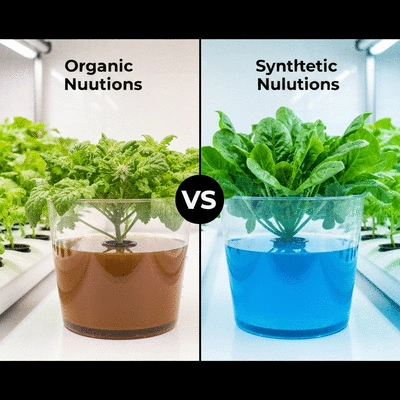
Organic Nutrients
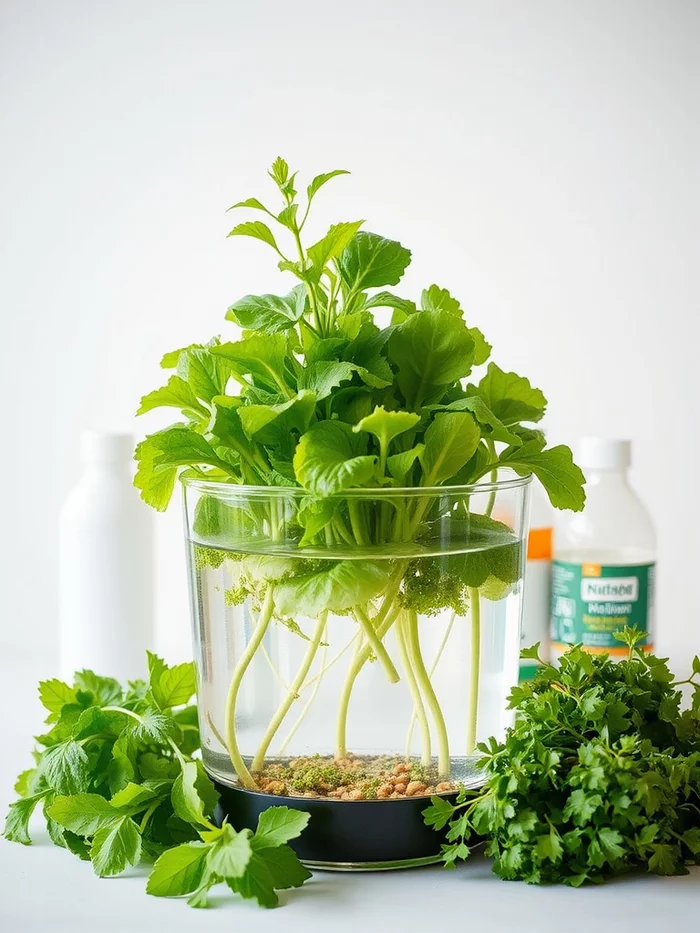
- Biologically based, promoting biodiversity.
- Derived from natural, sustainable sources.
- Promote beneficial microbial activity.
- Offer slow-release nutrient supply.
- Minimize chemical exposure.
Natural Choice
1
Join Clara M. Greene's community for expert tips and seasonal guides tailored for American gardeners.
Posted on: 2026-06-26
By: Clara M. Greene
Have you considered how the nutrients you provide can transform your hydroponic garden? Understanding the essential components of hydroponic nutrients is key to achieving lush, thriving plants. Let’s delve into the insights you’ll gain from exploring this vital topic!
Exploring the two primary types of hydroponic nutrients and the key benefits of opting for organic solutions in your gardening journey.
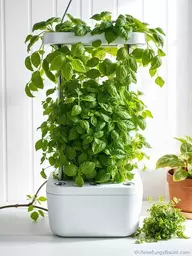
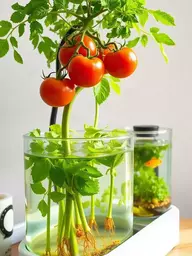
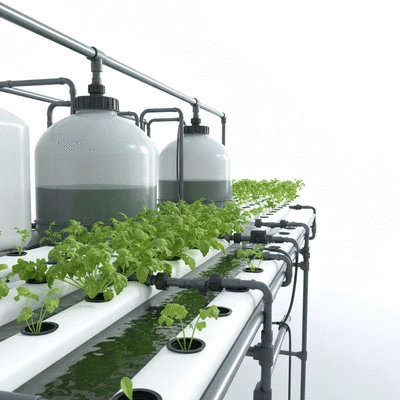
Exploring the world of hydroponic nutrients is essential for any gardener looking to maximize their plant growth. Hydroponic systems rely on nutrient solutions to nourish plants directly through their roots, eliminating the need for soil. This method not only conserves water but also allows for faster growth rates and higher yields. Understanding the role of different nutrients is the first step toward successful gardening! For more insights into setting up your system, check out our guide on starting hydroponics for beginners.
As a passionate gardener myself, I’ve seen how the right nutrients can transform a garden. Whether you’re a novice or an experienced grower, grasping the fundamentals of hydroponic nutrients is crucial for thriving plants.
Hydroponic nutrients are specialized solutions that provide plants with essential elements they need to grow. These nutrients are typically divided into two categories: macronutrients and micronutrients. Macronutrients are needed in larger quantities and include nitrogen, phosphorus, and potassium (N-P-K), while micronutrients like iron, manganese, and zinc are required in smaller amounts but are equally vital for plant health.
Understanding these elements can help you tailor your nutrient solution to the specific needs of your plants. Each nutrient plays a unique role, and by ensuring a balanced supply, you can foster a flourishing hydroponic garden.
When it comes to hydroponic nutrients, you can choose between organic and synthetic options. Organic nutrients are derived from natural sources and are appreciated for their sustainability and ability to promote healthy soil and root systems. On the other hand, synthetic nutrients provide more precise control over nutrient content and are often formulated for rapid absorption. For alternative gardening methods, explore understanding aquaponics systems simply.
As you explore your options, consider your gardening goals. Are you aiming for sustainability with organic methods, or are you looking for the quick results often provided by synthetic nutrients? Each choice has its benefits, and understanding them can lead to more informed decisions in your hydroponic journey!
In hydroponics, focusing on key elements—both macronutrients and micronutrients—is vital for robust plant growth. Macronutrients like nitrogen, phosphorus, and potassium fuel your plants' energy, while micronutrients play roles in processes such as photosynthesis and nutrient uptake.
To help you better understand these components, let’s dive into the specifics of N-P-K ratios and essential micronutrients!
What do you think about the choice between organic and synthetic hydroponic nutrients? Share your thoughts below:
When diving into hydroponic gardening, the selection of nutrients is crucial for your plants' success. It's not just about grabbing any bottle off the shelf; understanding your growing environment and the specific needs of your plants can make all the difference. So, let’s explore the key considerations that will guide you in making informed choices!
Every garden is unique, and your hydroponic setup is no exception. The specific conditions of your growing environment—like light, temperature, and humidity—greatly affect nutrient absorption. Additionally, the genetics of your plants play a significant role in determining which nutrients they require.
By tailoring your nutrient choices based on these factors, you create an optimal growing environment for your plants!
As a gardener who deeply cares about sustainability, I encourage you to think critically about the nutrients you choose. Not all hydroponic nutrients are created equal, and selecting sustainable options is vital for the health of our planet.
Making sustainable nutrient choices not only benefits your garden but also contributes to a healthier ecosystem! Let’s ensure that our gardening practices reflect our love for nature.
If you’re passionate about sustainable gardening, organic nutrients can be an excellent choice for your hydroponic system. These natural alternatives offer numerous benefits that align perfectly with our mission at All American Gardeners.
As you embark on your hydroponic journey, don’t hesitate to explore organic options. They not only support your plants but also align with a more sustainable approach to gardening. For further reading on this topic, consider our article on organic gardening tips for beginners.
Here are some common questions about hydroponic nutrients to further enhance your understanding:
Here is a quick recap of the important points discussed in the article:
Final content section.