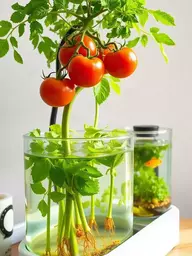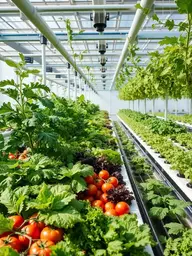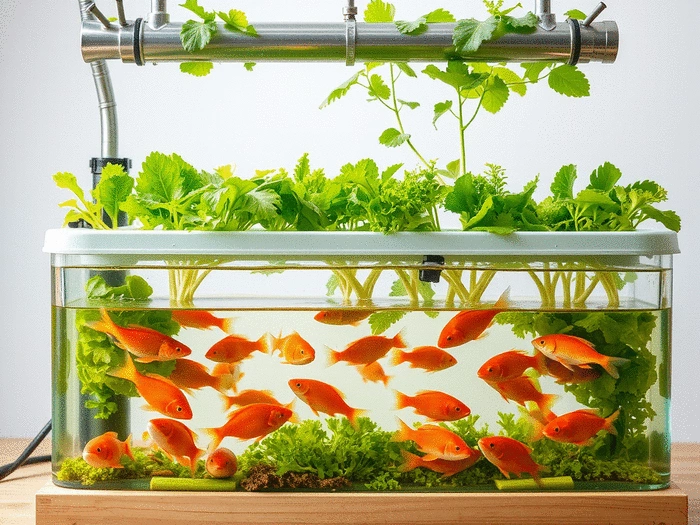
Aquaponics Process Flow
1. Fish generate waste (nutrients).
2. Water circulated to plants.
3. Plants absorb nutrients, filter water.
4. Clean water returns to fish.
Sustainable Cycle
Join Clara M. Greene's community for expert tips and seasonal guides tailored for American gardeners.
Posted on: 2026-03-03
By: Clara M. Greene
Aquaponic farming is a fascinating blend of aquaculture and hydroponics that creates a sustainable gardening ecosystem. As you explore this innovative method, you'll discover how it not only enhances food production but also promotes environmental stewardship. Ready to dive in?
Aquaponics offers a sustainable approach to food production by integrating fish and plant cultivation. The following highlights its unique process, distinctions from hydroponics, and significant investment benefits.
1. Fish generate waste (nutrients).
2. Water circulated to plants.
3. Plants absorb nutrients, filter water.
4. Clean water returns to fish.
Welcome to the wonderful world of aquaponic farming! If you’re curious about how this innovative method of growing food works, you’re in the right place. Aquaponics combines aquaculture (raising fish) and hydroponics (growing plants in water) into a single, sustainable system. In this section, we'll explore the essential elements of aquaponic farming, so you can get started on your gardening journey!
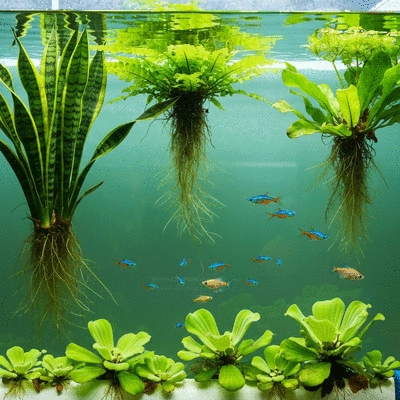
Aquaponic systems are a fantastic way to grow vegetables and fish together, creating a mutually beneficial environment. The fish produce waste that serves as a nutrient source for the plants, while the plants filter and clean the water for the fish. It's a cycle that illustrates the beauty of nature in action! For more details on how these systems operate, the USDA provides valuable insights into growing crops in open water systems like aquaponics.
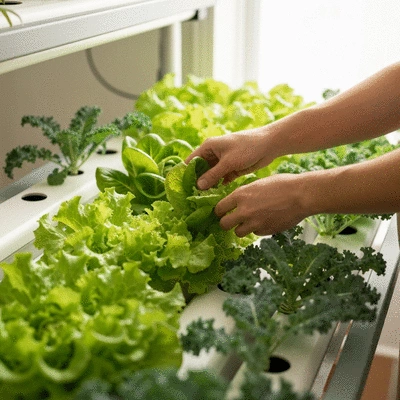
At its core, aquaponic farming is a method that supports sustainable agriculture. In an aquaponic system, fish and plants are cultivated together in a symbiotic environment. Here’s a quick breakdown of how it works:
This closed-loop system not only conserves water but also reduces the need for chemical fertilizers, making it an environmentally friendly choice for gardeners! To delve deeper into the business aspects and benefits, consider exploring resources like the EPA's Aquaponics Business Plan Guide.
The partnership between fish and plants is truly remarkable. It’s essential to choose the right fish species and plants that thrive in this collaborative setup. Here are a few popular choices that many aquaponic gardeners prefer:
This balanced relationship not only boosts plant growth but also ensures that the fish remain healthy, creating a thriving ecosystem in your backyard! For practical guidance on small-scale production, the City of Phoenix provides a comprehensive food production guide for aquaponics.
While both aquaponics and hydroponics involve growing plants in water, there are significant differences between the two. Understanding these distinctions helps gardeners like us make informed decisions. Here are the main differences:
By opting for aquaponics, you not only gain the joy of growing plants but also raise fish, making it a unique and fulfilling gardening experience!
Have you ever considered exploring aquaponics for your gardening efforts? We'd love to hear your thoughts! Please share your answer below:
As we wrap up our journey through the fascinating world of aquaponics, it's clear that this innovative farming method holds great promise for sustainable agriculture. With an increasing number of home gardeners and urban farmers looking for efficient ways to grow food, aquaponics emerges as a practical solution that combines crop cultivation and fish farming. But before diving in, let’s consider a few key points regarding the investment in an aquaponics system!
Investing in an aquaponic farming system can seem daunting at first. However, the potential benefits often outweigh the initial costs. Here are some factors to consider:
Ultimately, the worth of an aquaponic system will depend on your commitment and goals. If sustainability and self-sufficiency are at the forefront of your gardening journey, then aquaponics might just be the investment you need!
Ready to take the plunge into aquaponic farming? Here are some steps to get you started on this rewarding journey:
By taking these steps, you’ll not only deepen your understanding of aquaponics but also connect with a community that shares your passion for sustainable gardening!
Throughout this article, we've explored the essentials of aquaponic farming. From understanding the symbiotic relationship between fish and plants to recognizing the market trends that underline its growing popularity, there’s much to take away. Here’s a quick recap of the key insights:
It’s essential to keep these insights in mind as you venture into aquaponics. Remember, it’s all about creating a sustainable ecosystem that benefits both you and the environment!
Aquaponic farming is more than just a method; it's a lifestyle that promotes sustainability and self-sufficiency. By embracing this practice, you're not only growing your own food but also contributing to a healthier planet. I’ve seen firsthand how aquaponics can transform spaces, bringing life back into urban settings while providing fresh produce and fish!
Education is key in mastering aquaponics! Look for local workshops or online courses that specialize in this area. You’ll find that hands-on experience and expert guidance make a world of difference. Check out platforms like All American Gardeners for curated resources and recommendations tailored for budding aquaponic farmers.
So, whether you’re a novice gardener or a seasoned pro, aquaponics offers a fulfilling avenue to explore sustainable farming practices. I encourage you to dive deep into this rewarding journey and happy gardening!
Here is a quick recap of the important points discussed in the article: