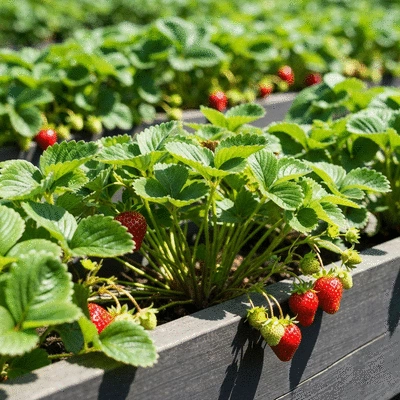
Benefits of Raised Beds
- ✓Improved Drainage: Prevents root rot.
- ✓Enhanced Soil Quality: Tailored nutrient mix.
- ✓Ease of Access: Reduces bending, easier maintenance.
- ✓Pest Control: Deters pests, easier monitoring.
Join Clara M. Greene's community for expert tips and seasonal guides tailored for American gardeners.
Posted on: 2026-05-31
By: Clara M. Greene
Are you ready to transform your gardening experience with raised strawberry beds? The journey to growing your own strawberries can be both rewarding and delicious! If you're curious about how to get started and achieve a bountiful harvest, let's explore the essential insights from this comprehensive guide.
Raised beds offer distinct advantages for growing strawberries, from improved drainage to easier access. Choosing the right materials and varieties is crucial for a successful harvest, as highlighted in the key points below. For a deeper dive into the advantages of this gardening method, explore the benefits of raised garden beds.
Full sunlight (6+ hours daily), sheltered from wind, good air circulation.
At least 12-18 inches for root growth & drainage.
Yes, to concentrate energy on larger, sweeter strawberries.
Natural look, customizable. Requires maintenance (rot prevention).
Durable, long-lasting. Retains heat (benefits early growth).
Excellent drainage & air circulation. Lightweight, easy to handle.
Large crop in early summer (freezing, preserves).
Continuous harvest (spring to fall).
Subtype of everbearing, yields regardless of day length.
Welcome to the delightful world of raised strawberry beds! As a passionate gardener, I can assure you that growing strawberries in these beds is not only rewarding but also a fantastic way to enjoy fresh, homegrown fruit. If you’ve ever bitten into a sun-ripened strawberry, you know the taste is far superior to store-bought berries. Let’s dive into how you can get started on your very own strawberry-growing journey!
Raised beds offer numerous benefits, especially for growing strawberries. They provide excellent drainage, reduce soil compaction, and can even extend your growing season. Plus, they make it easier to manage pests and weeds. Let’s explore the benefits of growing strawberries in raised beds and how you can set up your garden for success! You might also find our guide on growing strawberries in tower planters helpful for alternative methods.
By considering these benefits, you'll find that raised strawberry beds are not only functional but also make gardening a lot more enjoyable! Now, let's look at some essential considerations for setting up your strawberry bed.
Before you plant your strawberries, there are a few key factors to consider that can greatly influence your success. From location to materials, these elements play a crucial role in your strawberry-growing adventure!
Strawberries thrive in full sunlight, so it’s vital to choose a spot that receives at least six hours of direct sunlight each day. Look for a location that is sheltered from harsh winds and has adequate air circulation. A sunny corner in your yard could be the perfect place for your raised strawberry bed!
When building your raised bed, you’ll have several material options to choose from:
Each material has its pros and cons, so consider your climate and preferences when making your selection. Regardless of your choice, ensure that the materials are safe for growing edibles!
As you plan your strawberry bed, think about the varieties that will thrive in your area. Here are a few popular options:
Choosing the right variety is essential for maximizing your yield and enjoying strawberries throughout the season!
Now that you’re equipped with the basics, it’s time to prepare your raised strawberry bed for planting. This step is crucial for ensuring your strawberries have the best possible start!
According to a study by the University of California, raised beds can increase strawberry yields by 25% compared to traditional in-ground planting. This increase is attributed to improved soil conditions and easier access for maintenance!
As we wrap up our exploration of raised strawberry beds, it's important to remember the key strategies we've discussed. From understanding the benefits of raised beds to perfecting your planting techniques, these tips can truly help you cultivate a bountiful strawberry garden. Whether you're a novice or a seasoned gardener, implementing these practices will set you on the path to success!
These elements are just the beginning! Embracing sustainable practices and engaging with fellow gardeners can further enhance your strawberry growing experience. Remember, gardening is a journey, and every season offers new lessons and rewards!
One of the best parts of gardening is the vibrant community that surrounds it! Connecting with fellow gardening enthusiasts can provide you with invaluable tips, resources, and support. Join local gardening groups, participate in online forums, or attend gardening workshops to share your experiences and learn from others. You're not in this alone—let's grow together!
Don't forget to check out our resources at All American Gardeners, where I frequently share new insights and tips to help you thrive in your gardening endeavors. Engaging with our community can enrich your knowledge and inspire your gardening journey! You might also find our guide on essential plant care tips helpful for overall garden health.
Here are some frequently asked questions about raised strawberry beds to help you on your gardening journey:
For strawberries, a raised bed depth of at least 12-18 inches is ideal. This depth provides sufficient space for root growth and ensures excellent drainage, which is vital for preventing root rot and promoting healthy plants.
Popular choices include wood (cedar or redwood for durability), metal (galvanized steel for longevity and heat retention), and fabric (grow bags for superior drainage and aeration). Each material offers unique benefits depending on your budget, aesthetic preference, and climate.
Strawberries thrive in full sunlight, requiring at least 6-8 hours of direct sun per day. Choose a location that is well-exposed to the sun and protected from strong winds.
Yes, trimming runners is generally recommended. This practice helps the plant concentrate its energy on producing larger, sweeter fruits rather than creating new plants. However, if you wish to propagate more strawberry plants, you can allow a few healthy runners to root.
A well-draining, nutrient-rich soil mix is crucial. A good blend typically includes compost, peat moss, and perlite or vermiculite to improve aeration and drainage. The ideal pH for strawberries is slightly acidic, between 5.5 and 6.5.
Raised beds offer several advantages, including improved drainage, reduced soil compaction, easier weed and pest control, better soil customization, and extended growing seasons due to warmer soil temperatures. They also provide easier access for planting, harvesting, and maintenance.
For strawberries, aim for a raised bed depth of at least 12-18 inches. This depth provides ample room for roots to grow and allows for good drainage, which is essential for healthy plants!
Yes! Trimming runners can help concentrate the plant's energy on producing larger, sweeter strawberries. Just be mindful to leave a few runners for propagation if you want to grow more plants.
Are you ready to embark on your own strawberry growing adventure? With the right tools, techniques, and a sprinkle of passion, you can create a stunning raised strawberry bed that will produce delicious fruits for years to come! Visit All American Gardeners for more tips and resources, and let’s make those garden dreams a reality!
Here is a quick recap of the important points discussed in the article: