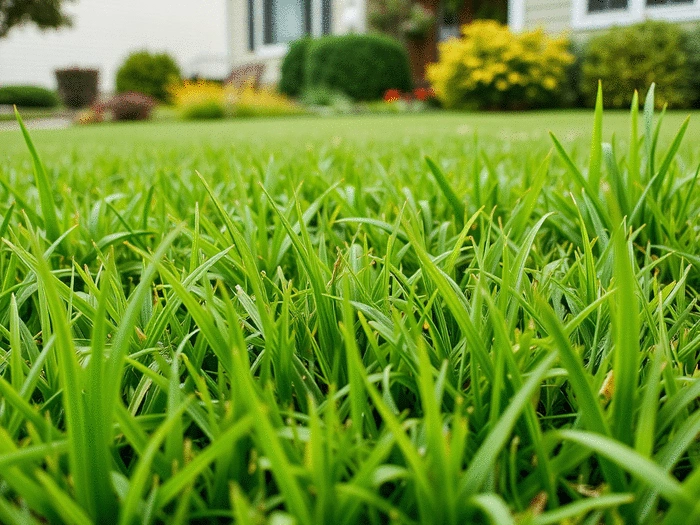
What if the secret to a vibrant lawn lies in understanding your local climate? Knowing the right grass types for your specific USDA Plant Hardiness Zone can make all the difference in achieving a lush landscape. Here are some key takeaways from our exploration of grass types and climate zones.
What You Will Learn
Climate Zones Matter: Identifying your USDA climate zone is essential for selecting grass types that thrive in your area.
Grass Types Have Unique Needs: Different grasses require varying amounts of sunlight, water, and nutrients for optimal health.
Maintenance is Key: Regular watering, fertilization, mowing, and aeration are crucial strategies for maintaining a healthy lawn.
Organic Practices Promote Sustainability: Implementing organic lawn care methods can enhance soil health and contribute to a healthier ecosystem.
Grass Type Selection Based on USDA Climate Zones
Selecting the correct grass type for your region ensures a healthy and vibrant lawn. The USDA Plant Hardiness Zones are a crucial guide, helping you match grass varieties to your local climate conditions.
USDA Plant Hardiness Zones & Grass Types
Cool-Season Grasses
Best for Zones 3 to 7 (Colder regions). Thrive in cooler temperatures, typically green in spring and fall. Example: Kentucky Bluegrass.
Zones 3-7
Warm-Season Grasses
Ideal for Zones 7 to 10 (Warmer regions). Grow actively in hot weather, often go dormant in winter. Example: Bermuda grass.
Zones 7-10
Transition Zone Grasses
A blend of both cool and warm-season types for areas with varying conditions. Require careful selection to adapt to seasonal shifts.
Varying Conditions
Understanding Grass Types and U.S. Climate Zones
When it comes to creating a beautiful lawn, understanding grass types and how they interact with different climate zones is crucial! Climate zones dictate what types of grass will thrive in your area, ultimately affecting the health and appearance of your landscape. By knowing your climate zone, you can make informed choices that will lead to a lush, vibrant lawn.
In the U.S., we have a diverse range of climates from the cool northern regions to the warm southern states. That means we need to select grass types that are well-suited for local conditions. So, let’s dive into what climate zones are and why they matter for your grass selection!
What Are Climate Zones and Why Do They Matter?
Climate zones are classifications that help us understand the general weather patterns of a region. They take into account temperature, precipitation, and seasonal changes. The USDA has created a handy Plant Hardiness Zone Map that segments the U.S. into zones based on these factors. This map is an invaluable tool for gardeners, helping in the selection of species, as further explained by the UC Master Gardener Program.
Zone 1: Extremely cold regions
Zone 10: Very warm, tropical areas
Transition Zones: Areas with characteristics of both cool and warm climates
Knowing which zone you live in helps you select grass varieties that will flourish in your environment. This ensures not only a healthier lawn but also a more sustainable one, as you won't be fighting against the climate!
The Role of Grass Types in Landscape Health
The type of grass you choose plays a significant role in the overall health of your landscape. Different grasses have varying requirements for sunlight, water, and nutrients. For example, some grasses may thrive in sunny areas, while others prefer shade. Selecting the right grass type ensures that your lawn remains robust, reducing the risk of disease.
Turf Grasses: Ideal for recreational spaces
Ornamental Grasses: Great for aesthetics and biodiversity
Native Grasses: Low maintenance and environmentally friendly
By considering the role of different grass types, you can create a lawn that not only looks great but also contributes positively to the local ecosystem. Remember, a healthy landscape is a happy landscape!
How USDA Plant Hardiness Zones Influence Grass Selection
The USDA Plant Hardiness Zones are essential when selecting grass because they indicate the temperatures a plant can withstand. For instance, if you live in a colder zone, you might want to opt for cool-season grasses like Kentucky Bluegrass. On the other hand, warmer zones are perfect for warm-season varieties like Bermuda grass. For a comprehensive guide on recommended grasses for regional climates, Pennington offers valuable insights.
Cool-Season Grasses: Best for Zones 3 to 7
Warm-Season Grasses: Ideal for Zones 7 to 10
Transition Zone Grasses: A blend of both types for varying conditions
Understanding how these zones influence the types of grass you can grow will not only save you time and effort but also enhance your lawn's resilience against pests and diseases. So, take advantage of this knowledge to cultivate the lawn of your dreams!
Pro Tip
To ensure your lawn thrives, consider planting a mix of grass types that cater to both sunny and shaded areas. This not only enhances the visual appeal but also promotes biodiversity, making your lawn more resilient to pests and diseases.
Effective Maintenance Tips for Grass Types
Maintaining a lush, healthy lawn doesn't have to feel overwhelming! With the right maintenance strategies, you can keep your grass thriving through every season. Let’s dive into some effective practices that will ensure your lawn is the envy of the neighborhood.
A well-maintained lawn requires attention to several key factors. We'll talk about watering and fertilization, seasonal care practices like mowing and aeration, and how to implement organic lawn care methods for a sustainable approach.
Watering and Fertilization Strategies for Longevity
Watering and fertilization are critical for the health of your grass. It's all about finding that perfect balance to keep your lawn green and vibrant. Here are some strategies I find useful:
Water deeply, but infrequently: Aim for about 1 inch of water per week. This encourages deep root growth.
Time your watering: Early morning is the best time to water, reducing evaporation and fungal growth.
Fertilize wisely: Choose a slow-release fertilizer to provide nutrients gradually. Look for options that match your grass type.
Soil test: Conduct a soil test to determine nutrient levels and pH, ensuring that your fertilization is effective.
By following these tips, you can help your grass thrive while minimizing waste and expenses. Remember, a little knowledge goes a long way in grass care!
Seasonal Care: Mowing, Aeration, and Over-Seeding
Seasonal care is vital for maintaining grass vitality. Different seasons require specific care strategies to keep your lawn looking its best throughout the year. Here’s a handy checklist:
Mow regularly: Keep the blade height appropriate for your grass type; taller grass shades the roots, helping retain moisture.
Aerate in spring or fall: Aerating improves soil compaction and allows nutrients to penetrate the soil more effectively.
Over-seed: This helps fill in bare spots and enhances overall lawn density. Fall is an ideal time for over-seeding.
Adjust your care routines: As temperatures change, so should your watering and fertilization schedules.
Implementing these seasonal strategies can truly transform your lawn care routine, making it easier to achieve stunning results!
Implementing Organic Lawn Care Practices for Sustainability
As a strong advocate for sustainable gardening, I encourage you to explore organic lawn care practices. Not only are they better for the environment, but they can also lead to healthier grass. Here are some tips:
Use organic fertilizers: These release nutrients slowly and improve soil health over time.
Incorporate compost: Adding compost to your soil enriches it with essential nutrients and improves drainage.
Encourage beneficial insects: Attract ladybugs and bees by planting native flowers, which helps with pest control.
Regularly check for pests: Early detection can save your lawn! Use natural remedies like neem oil for pest management.
By adopting these organic practices, you not only create a beautiful lawn but also contribute to a healthier ecosystem.
Frequently Asked Questions
What are USDA Plant Hardiness Zones?
USDA Plant Hardiness Zones are geographical areas defined by their average annual extreme minimum winter temperature. They help gardeners choose plants, including grass types, that are most likely to survive and thrive in their local climate.
Why is it important to choose the right grass type for my climate zone?
Choosing the correct grass type ensures your lawn will be healthy and vibrant. Grass types suited to your climate zone will be more resilient to local weather conditions, require less intervention (like excessive watering or pest control), and ultimately lead to a more sustainable and aesthetically pleasing landscape.
What is the difference between cool-season and warm-season grasses?
Cool-season grasses (e.g., Kentucky Bluegrass) thrive in colder regions (Zones 3-7), growing actively in spring and fall. Warm-season grasses (e.g., Bermuda grass) are best for warmer regions (Zones 7-10), growing actively in hot weather and often going dormant in winter.
What are some essential maintenance tips for a healthy lawn?
Key maintenance tips include watering deeply but infrequently, fertilizing wisely based on soil tests, mowing regularly at the appropriate height, aerating in spring or fall to improve soil compaction, and over-seeding to enhance density and fill bare spots.
How can I practice organic lawn care?
Organic lawn care involves using organic fertilizers, incorporating compost to enrich soil, encouraging beneficial insects for natural pest control, and regularly checking for pests to apply natural remedies like neem oil. These practices promote a healthier ecosystem and a more sustainable lawn.
Recap of Key Points
Here is a quick recap of the important points discussed in the article:
Understand Your Climate Zone: Knowing your USDA Plant Hardiness Zone is crucial for selecting the right grass types that will thrive in your specific climate.
Choose the Right Grass Type: Different grass types have varying sunlight, water, and nutrient needs; select those that align with your lawn's conditions.
Effective Watering and Fertilization: Water deeply but infrequently, and use slow-release fertilizers tailored to your grass type for optimal growth.
Seasonal Care Practices: Regular mowing, aeration, and over-seeding are essential for maintaining lawn health throughout the year.
Implement Organic Practices: Use organic fertilizers and compost to enhance soil health and promote a sustainable lawn ecosystem.
Subscribe & Share
2026-08-28
Growing Herbs with Hydroponics
Why settle for store-bought herbs when you can grow your own at home, in any space? Hydroponic garde
2026-08-27
Growing Sweet Corn from Seeds
Ready to transform your gardening experience? Selecting the right sweet corn seeds can make all the
Growing Your Own Garlic Bulbs
As you prepare to embark on your journey of growing garlic, consider this: garlic cultivation isn't
All American Gardeners
Your premier online resource for mastering home gardening across the U.S. We empower American home gardeners with expert tips, step-by-step guides, and sustainable practices for thriving outdoor spaces.
Trusted by gardeners nationwide, our mission is to provide reliable, easy-to-follow insights backed by Clara M. Greene's extensive horticulture experience and practical advice.