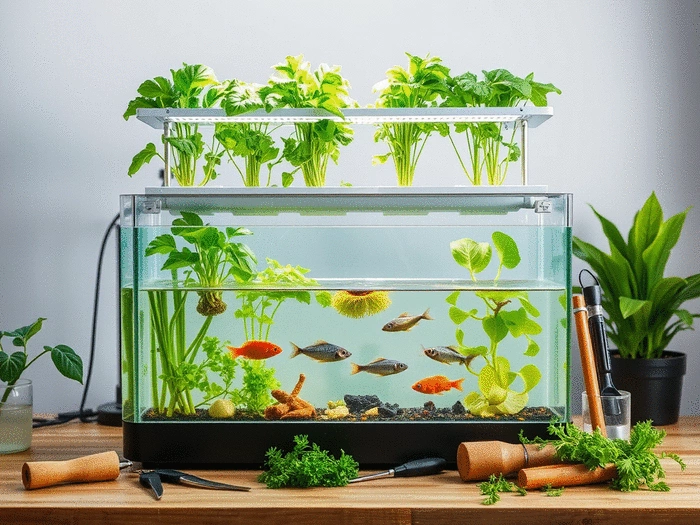
What if you could grow your own food while nurturing a vibrant aquatic ecosystem? Aquaponics combines fish and plants in a self-sustaining garden that redefines traditional gardening methods. Let’s explore the key benefits and insights you’ll gain about this exciting approach!
What You Will Learn
Aquaponics merges fish farming and plant cultivation in a closed-loop system, creating a sustainable ecosystem.
The system uses up to 90% less water compared to conventional gardening, making it exceptionally efficient.
Natural fish waste serves as fertilizer, eliminating the need for synthetic nutrients in your garden.
Aquaponics can be practiced indoors or outdoors, allowing for year-round production in various spaces.
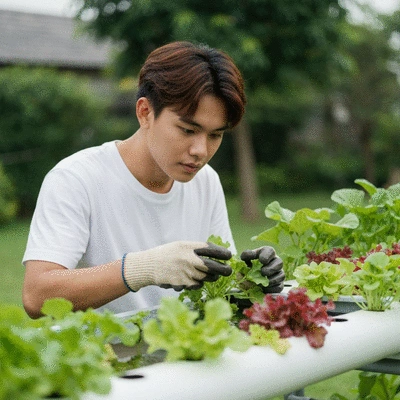
Regular maintenance tasks, including water quality checks and fish behavior monitoring, are essential for system health.
Understanding the differences between aquaponics and hydroponics can help you choose the right method for your gardening goals.
Incorporating vertical farming techniques can enhance space efficiency and overall yield in your aquaponics setup.
Aquaponics vs. Hydroponics & Key Benefits
Delve into the core differences between aquaponics and hydroponics, and discover the compelling advantages of integrating fish and plants in a sustainable system. For those just starting out, learning the basics of an aquaponic farming system can be incredibly beneficial.
Aquaponics vs. Hydroponics: Key Differences
✓
Nutrient Source: Fish waste (natural)
✓
Sustainability: Balanced, closed-loop ecosystem
✓
Fish Cultivation: Yes (dual benefit)
Benefits of Aquaponics Systems
●
Water Usage: Up to 90% less than traditional gardening.
●
Fertilizers: No synthetic fertilizers needed (fish waste).
●
Space-saving: Efficient for limited indoor/outdoor spaces.
●
Production: Year-round food growth possible.
Aquaponics Maintenance Checklist
Daily Checks:
Monitor fish behavior & water levels.
Weekly Tasks:
Test water quality (pH, ammonia, nitrite, nitrate).
Monthly Maintenance:
Clean grow beds & inspect plumbing.
Seasonal Inspections:
Adjust heating/cooling systems as needed.
Understanding Aquaponics: A Beginner's Guide to Setup
Welcome to the fascinating world of aquaponics! If you've ever dreamed of having a self-sustaining garden that combines both fish and plants, then you're in the right place. Aquaponics is not just a trend; it's a unique method of gardening that can elevate your home gardening experience. So, what exactly is it and how does it work? Let’s dive in!
What is Aquaponics and How Does It Work?
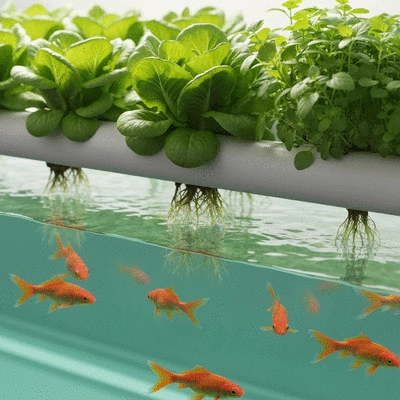
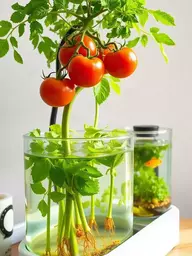
Aquaponics is an innovative system that merges aquaculture (raising fish) with hydroponics (growing plants in water). In this symbiotic environment, fish waste provides essential nutrients for the plants, while the plants help filter and purify the water for the fish. This closed-loop system creates a sustainable ecosystem that benefits both fish and plants.
Fish are raised in a tank, producing nutrient-rich waste.
Plants grow in grow beds above the fish tank, using this waste as fertilizer.
Water is recirculated between the fish tank and the grow beds, ensuring optimal conditions.
It's an exciting way to grow your food while minimizing water usage and maximizing yield. As a gardener, I find it rewarding to witness how nature works together to create a thriving environment!
The Benefits of Setting Up Your Own Aquaponics System
Setting up your own aquaponics system can be incredibly rewarding. You not only get to enjoy fresh fish and organically grown vegetables but also contribute to sustainable practices. Here are some benefits to consider:
Efficient use of water: Aquaponics uses up to 90% less water than traditional soil gardening.
No need for synthetic fertilizers: The system relies on natural fish waste for nutrients.
Space-saving: Aquaponics systems can be set up indoors or outdoors, making them perfect for limited spaces.
Year-round production: With proper setup, you can grow food all year long!
As an advocate for sustainable gardening at All American Gardeners, I truly believe aquaponics opens up a new world of possibilities for home gardeners. Whether you're a beginner or a seasoned pro, this method can enhance your gardening journey. For comprehensive guidance on setting up your system, check out our guide on getting started with aquaponics.
Comparing Aquaponics with Hydroponics: Key Differences and Benefits
It’s common to confuse aquaponics with hydroponics since they both involve growing plants in water. However, they have distinct differences that set them apart. Let’s explore how these two systems compare:
Nutrient source: In hydroponics, nutrients are added through synthetic fertilizers, while aquaponics relies on fish waste.
System sustainability: Aquaponics creates a balanced ecosystem, promoting biodiversity, whereas hydroponics often requires more external inputs.
Fish cultivation: Aquaponics allows you to raise fish, giving you a dual benefit of producing both fish and vegetables.
For those looking to integrate animal husbandry with plant production, aquaponics might be the perfect fit! The ability to nurture both fish and plants simultaneously is an adventure that many gardeners find fulfilling.
Frequently Asked Questions About Aquaponics
What is aquaponics?
Aquaponics is a sustainable food production system that combines aquaculture (raising fish) with hydroponics (growing plants in water) in a symbiotic, closed-loop environment. Fish waste provides nutrients for plants, and plants filter the water for the fish.
How is aquaponics different from hydroponics?
The main difference lies in the nutrient source. Hydroponics uses synthetic nutrient solutions, while aquaponics relies on natural fish waste to fertilize plants. Additionally, aquaponics allows for the cultivation of both fish and plants, offering a dual benefit.
What are the main benefits of an aquaponics system?
Key benefits include significantly reduced water usage (up to 90% less than traditional gardening), no need for synthetic fertilizers, efficient use of space (can be indoor or outdoor), and the potential for year-round food production.
What kind of maintenance does an aquaponics system require?
Yes, vertical farming techniques like vertical grow towers or stacked grow beds can be effectively integrated into an aquaponics system to maximize space efficiency and yield, especially in limited areas.
We Want to Hear From You!
As you embark on your aquaponics journey, what aspect excites you the most? Is it the idea of growing your own food, the sustainability of the system, or perhaps the joy of raising fish? Share your thoughts below:
Maintaining Your Aquaponics System for Long-Term Success
Now that you've successfully set up your aquaponics system, the journey doesn't end there! Maintaining the system is crucial for its longevity and productivity. Regular care helps ensure that both your fish and plants thrive. Let’s dive into the essential maintenance practices that can keep your aquaponics garden flourishing!
Creating a Maintenance Checklist: Regular Tasks to Keep Your System Healthy
To make maintenance easier, having a checklist can be incredibly beneficial. Here’s what I recommend including in your routine:
Daily checks: Monitor fish behavior and check water levels.
Weekly tasks: Test the water quality, including pH, ammonia, nitrite, and nitrate levels.
Monthly maintenance: Clean the grow beds and inspect the plumbing for blockages.
Seasonal inspections: Adjust heating or cooling systems as needed.
By following this checklist, you can minimize issues and keep your aquaponics system running smoothly. Remember, regular inspections can save you time and money in the long run!
Understanding Seasonal Adjustments: Indoor vs Outdoor Considerations
Maintaining an aquaponics system means adapting to seasonal changes. Whether your system is indoors or outdoors, understanding these differences will help you keep everything in balance:
Indoor systems: Ensure consistent lighting and temperature control year-round.
Outdoor systems: Use shading in summer and heating in winter to protect your plants and fish.
Water temperature: Monitor closely; fish may need different care depending on the season.
As you adjust for the seasons, you're not only caring for your current setup but also empowering yourself to adapt as your garden evolves! With the right adjustments, your plants and fish will remain content and productive. For more tips on overall plant health, consider our guide to essential plant care.
Exploring Vertical Farming Techniques within Aquaponics
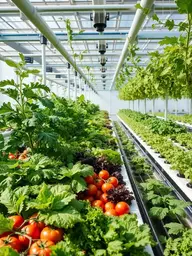
Have you considered incorporating vertical farming techniques into your aquaponics system? Vertical setups can be a fantastic way to save space while maximizing your yield. Here’s how you can integrate these techniques:
Use vertical grow towers: These can hold multiple plants in a small footprint, making them great for smaller spaces.
Stacked grow beds: Create layers to utilize vertical space effectively.
Hydroponic towers: Combine aquaponics with hydroponic methods to diversify your plant selection.
Implementing vertical farming not only enhances your system's efficiency but also adds a unique aesthetic to your garden! I love seeing how innovative setups can bring a new level of engagement and productivity. For more ideas on efficient setups, explore vertical garden benefits.
Final Thoughts on Your Aquaponics Journey
As you embark on this aquaponics adventure, remember that every challenge is an opportunity to learn. The joy of seeing your plants flourish alongside your fish is incredibly rewarding! Happy gardening!
Recap of Key Points
Here is a quick recap of the important points discussed in the article:
Aquaponics combines aquaculture and hydroponics, creating a sustainable ecosystem where fish waste provides nutrients for plants.
Benefits of aquaponics include efficient water use, no need for synthetic fertilizers, space-saving setups, and year-round food production.
Key differences between aquaponics and hydroponics include the nutrient source and system sustainability, with aquaponics promoting biodiversity.
Regular maintenance is crucial for success, including daily, weekly, and monthly tasks to monitor fish health and water quality.
Seasonal adjustments are important for both indoor and outdoor systems to maintain optimal conditions for fish and plants.
Vertical farming techniques can enhance space efficiency and increase yield in aquaponics systems.
Subscribe & Share
2026-08-28
Growing Herbs with Hydroponics
Why settle for store-bought herbs when you can grow your own at home, in any space? Hydroponic garde
2026-08-27
Growing Sweet Corn from Seeds
Ready to transform your gardening experience? Selecting the right sweet corn seeds can make all the