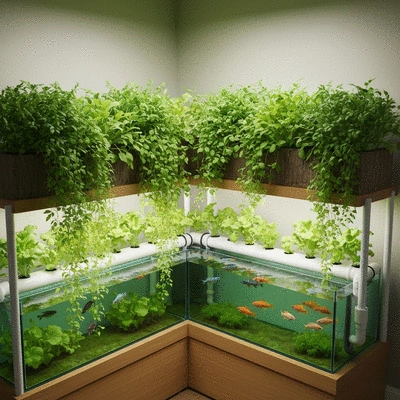
Water Efficiency: Aquaponics vs. Traditional Gardening
90%
Less water used by Aquaponics than traditional gardening methods.
Join Clara M. Greene's community for expert tips and seasonal guides tailored for American gardeners.
Posted on: 2026-08-03
By: Clara M. Greene
With the rise of sustainable gardening practices, aquaponics is quickly becoming a game-changer for home growers. If you're intrigued by the idea of cultivating food while simultaneously raising fish, this is your opportunity to explore a self-sustaining ecosystem like no other!
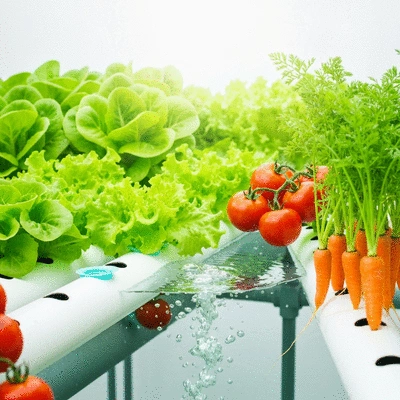
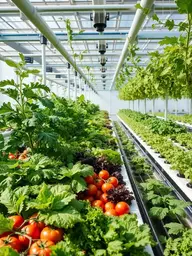
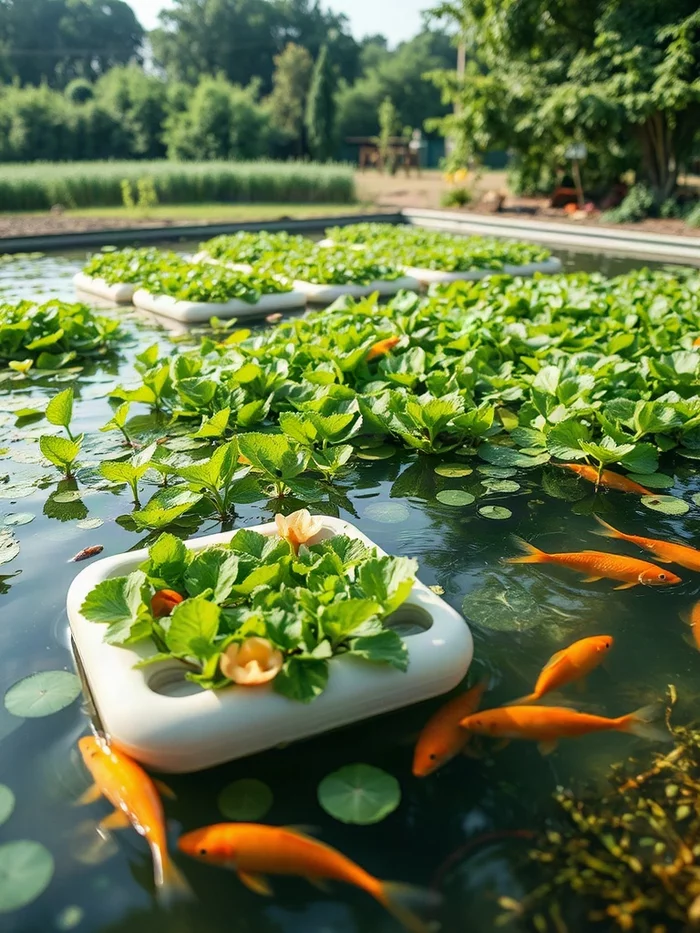
Aquaponics combines fish farming and plant cultivation in a sustainable, closed-loop system. The visual below highlights its core components and significant water savings compared to traditional methods. To learn more about getting started, check out our guide on getting started with aquaponics.
Less water used by Aquaponics than traditional gardening methods.
Welcome to the fascinating world of aquaponics ponds! If you've ever dreamed of growing your own food while raising fish in a sustainable ecosystem, you're in the right place. At All American Gardeners, we believe that aquaponics is a revolutionary way to garden that combines the best of both worlds—plant cultivation and fish farming! But how exactly does it work? Let’s dive in!
Aquaponics is a method where fish and plants are grown together in a symbiotic environment. The fish waste provides nutrients for the plants, and in return, the plants help filter the water for the fish. This closed-loop system can be incredibly efficient, using up to 90% less water than traditional gardening methods! Why choose a pond system specifically? Using a pond allows for a larger volume of water, which can stabilize temperature and nutrient levels, making it perfect for both fish and plants.
Plus, ponds can bring a beautiful aesthetic to your backyard! Imagine the tranquility of water features while growing your own food. Sounds wonderful, right? For more insights into setting up your system, explore our article on setting up backyard aquaponics gardens.
Every successful aquaponics pond system has several critical components that work together harmoniously. Let's break it down:
These elements must work together to create a balanced ecosystem. It’s like a dance where each partner plays a crucial role in keeping the rhythm flowing smoothly!
Nutrient cycling is the heart of any aquaponics system. In simple terms, it involves the transformation of fish waste into nutrients that plants can use. The process starts when fish produce waste, which is high in ammonia. Beneficial bacteria convert this ammonia into nitrites and then into nitrates, which are rich nutrients for plants.
It’s a cycle that supports life, and keeping it balanced is key. If you’re ever wondering why your plants aren’t thriving, checking nutrient levels is a great place to start. Trust me, understanding this process will empower your gardening journey!
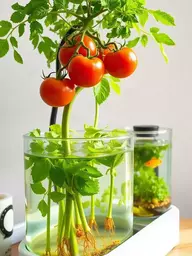
Aquaponics is a sustainable food production system that combines aquaculture (raising fish) and hydroponics (growing plants without soil) in a symbiotic, closed-loop environment. Fish waste provides nutrients for plants, and plants filter the water for the fish.
Aquaponics systems can use up to 90% less water than traditional gardening methods because water is recirculated and reused within the closed-loop system, minimizing evaporation and runoff.
The key components include a fish tank (where fish live and produce waste), a grow bed (where plants absorb nutrients), water pumps (to circulate water), and filtration systems (to keep the water clean).
Nutrient cycling is the process where fish waste (high in ammonia) is converted by beneficial bacteria into nitrites and then into nitrates, which are easily absorbed as nutrients by the plants. This process is essential for a healthy and balanced ecosystem.
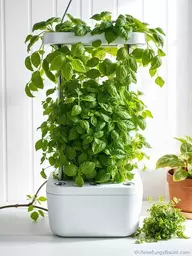
Yes, aquaponics systems are versatile and allow you to grow a wide range of vegetables, herbs, and even some fruits alongside your fish, offering diverse gardening options.
We'd love to hear from you! What aspect of aquaponics are you most excited to explore?
As we wrap up our exploration of aquaponics ponds, it’s essential to reflect on why this method is not just innovative but also a sustainable solution for home gardening. By merging aquaculture and hydroponics, aquaponics systems create a self-sustaining ecosystem that minimizes waste and maximizes productivity. This means you can grow fresh produce while also raising fish, all in a harmonious environment!
To summarize, here are some of the key takeaways that highlight the benefits of aquaponics ponds:
Aquaponics ponds stand out as a solution rooted in sustainability. With the growing concerns about food security and environmental impact, aquaponics presents a viable path for home gardeners like you to produce their own food right in their backyards. The integration of fish and plants creates a cycle that promotes healthy growth while reducing reliance on commercial farming practices.
Moreover, aquaponics systems contribute to a healthier ecosystem. They foster biodiversity and can help in keeping local waterways clean by using less harmful chemicals. By adopting aquaponics, you’re not just growing food but also cultivating a sustainable lifestyle!
Ready to dive into your own aquaponics journey? Starting can feel overwhelming, but remember, every expert gardener was once a beginner! At All American Gardeners, we encourage you to take those first steps with confidence. Consider beginning with a small setup and gradually expand as you gain more knowledge and experience.
Here are some practical next steps to kickstart your aquaponics adventure:
The future of aquaponics is bright, with exciting innovations and trends emerging regularly. As technology advances, we can expect to see more efficient systems that enhance productivity and reduce labor. Smart gardening solutions, such as automated monitoring of water quality and nutrient levels, are already on the rise!
Additionally, the trend toward urban gardening is paving the way for aquaponics in city environments, making fresh food more accessible. I’m thrilled to see how this sustainable practice continues to evolve, offering new opportunities for gardeners across the United States! For more ideas on maximizing your garden space, check out exploring vertical garden benefits.
Here is a quick recap of the important points discussed in the article: