Bonsai's Journey: China to Japan
Posted on: 2026-08-02
By: Clara M. Greene
Bonsai is not just about tiny trees; it's a profound connection to nature and creativity. As you explore its rich history and practices, you will uncover insights that could transform your gardening journey.
What You Will Learn
- The origins of bonsai trace back to ancient Chinese practices known as penzai.
- Bonsai evolved in Japan, significantly influenced by Zen Buddhism and Japanese aesthetics.
- Different historical eras, such as the Kamakura and Edo periods, shaped the techniques and styles of bonsai we see today.
- Bonsai fosters a deep connection between the gardener and the plant, promoting mindfulness and patience.
The Cultural Journey of Bonsai
Bonsai, an art form blending horticulture and aesthetics, reflects a deep respect for nature and balance. Its origins began in ancient China (Penzai), symbolizing wealth and harmony, before evolving in Japan under the influence of Zen Buddhism. For those looking to embark on their own journey, understanding the basics of bonsai trees is an excellent starting point.
Ancient China: Penzai Origins
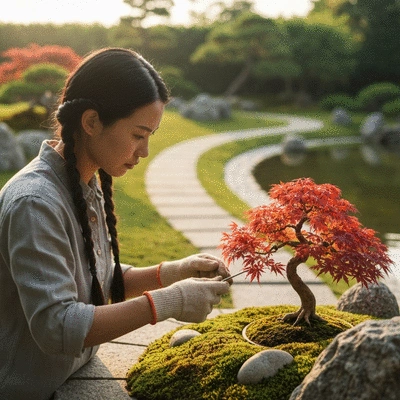
Penzai was a significant cultural practice tied to elite classes, symbolizing wealth, sophistication, and harmony. It reflected Taoist and Confucian principles of balance.
Japanese Evolution: Zen Influence
Bonsai was refined in Japan, heavily influenced by Zen Buddhism and its aesthetic principles, emphasizing minimalism and a deep connection with nature.
Understanding the Origins of Bonsai: From Ancient China to Japan
Bonsai is a captivating art form that goes far beyond simply creating miniature trees. It embodies a unique philosophy that merges horticulture with aesthetics, offering gardeners a way to express their creativity and connect with nature. This ancient practice has roots in both Chinese and Japanese cultures, evolving over centuries to become the beloved bonsai we appreciate today. Let’s dive into its fascinating origins!
At its core, bonsai reflects a deep respect for nature and balance, inviting us to cultivate not just plants but also our own sense of mindfulness. In many ways, it’s like gardening on a small scale, where every twist and turn of the branches tells a story. For me, working with bonsai provides a calming experience, reminding us to cherish the little things in life.
Defining Bonsai: More than Just Miniature Trees
When we think of bonsai, we might picture tiny trees delicately shaped to perfection. However, bonsai is so much more than that! It’s about cultivating a living piece of art that can evoke emotions and spark conversations. The essence of bonsai lies in the care, patience, and techniques used to shape each tree, making it a profound form of artistic expression. To maintain these living artworks, proper plant care is essential for their long-term health and beauty.
- Artistry: Each bonsai is a unique creation, reflecting the gardener's vision and skill.
- Mindfulness: The practice encourages us to slow down and appreciate the beauty of nature.
- Connection: Bonsai fosters a deep relationship between the gardener and the plant.
In essence, bonsai is about nurturing a living artwork that connects us to nature, culture, and ourselves. The intricate process of shaping and caring for a bonsai tree is what makes this practice so rewarding!
The Cultural Significance of Bonsai in Early Chinese Society
In ancient China, bonsai, known as penzai, was more than just a gardening hobby; it held significant cultural meaning. The practice was often associated with the elite classes and was a symbol of wealth, sophistication, and harmony with nature. Penzai was often used in scholarly gatherings, adding an aesthetic touch to the intellectual and artistic discussions of the time.
Moreover, bonsai served as a reflection of the philosophical principles of Taoism and Confucianism, emphasizing the importance of balance and harmony. This cultural depth and significance laid the foundation for what bonsai would become in Japanese society, creating a bridge that would carry these ideals across borders.
Did You Know?
Bonsai is not just about aesthetics; it’s steeped in tradition and philosophy. In fact, studies have shown that engaging with bonsai can significantly reduce stress and enhance mindfulness, aligning with its historical roots in Zen Buddhism.
Frequently Asked Questions About Bonsai
Reflecting on the Rich History of Bonsai and Its Cultural Journey
The captivating story of bonsai is not merely about crafting miniature trees; it is about a profound cultural exchange that began in ancient China and blossomed in Japan. Through centuries, bonsai has evolved, reflecting changing philosophies, artistic expressions, and societal values. Understanding this journey can deepen our appreciation for these living art forms. Here are some key takeaways:
- The origins of bonsai can be traced back to ancient Chinese practices of penzai.
- Bonsai was transformed in Japan, particularly influenced by Zen Buddhism and Japanese aesthetics.
- Each historical era, from the Kamakura to the Edo period, shaped the techniques and styles we see today.
- The aesthetic principles of bonsai and penjing offer a beautiful comparison of cultural philosophies.
As we reflect on the rich history of bonsai, it’s essential to recognize how it serves as a bridge between cultures, allowing us to appreciate the beauty of nature and art in a compact form.
Encouraging a Deeper Connection with Bonsai as a Living Art Form
Bonsai is more than a hobby; it’s a journey that invites us to connect with nature and ourselves. When you take the time to nurture a bonsai, you engage in a conversation with the plant, fostering patience, mindfulness, and creativity. I often find that my best moments in the garden come from watching my bonsai grow, each twist and turn in its branches telling a story.
To develop a deeper connection with bonsai, consider these practices:
- Start small: Choose a beginner-friendly species, like a Ficus or Juniper, to build your confidence.
- Document your journey: Keep a journal of your bonsai's growth, including notes on care techniques and personal reflections.
- Participate in local bonsai events or workshops to connect with fellow enthusiasts.
By engaging in these practices, you’ll not only cultivate a beautiful bonsai but also enrich your life with the lessons it teaches.
Join the Conversation: Share Your Bonsai Journey
Inviting Readers to Explore and Cultivate Their Own Bonsai
At All American Gardeners, we believe that everyone can experience the joy of cultivating bonsai. I invite you to take that first step—maybe it’s as simple as picking up a small pot and a young tree. As you embark on this journey, remember that bonsai is about the process as much as the outcome. It's about finding joy in nurturing life!
Whether you're a seasoned gardener or just starting, there’s no right or wrong way to grow bonsai. Each plant will be unique, much like your personal journey! Don’t hesitate to share your experiences with us.
Resources for Further Learning and Engagement in Bonsai Culture
To help you deepen your knowledge and skills, here are some valuable resources:
- Bonsai nurseries: Visit local nurseries or online stores like Bonsai Boy or Bonsai Outlet for quality plants and tools.
- Books: Check out “The Complete Book of Bonsai” by Harry Tomlinson for comprehensive guidance.
- Online communities: Join forums or social media groups dedicated to bonsai for tips, inspiration, and support.
These resources can assist you on your path to mastering the art of bonsai and connecting with other enthusiasts.
Exploring Bonsai Clubs and Societies: Building a Community around Bonsai
Joining a bonsai club or society can be immensely beneficial. Not only do these groups offer support, but they also provide a sense of community where you can share your passion. In my experience, being part of a bonsai community has opened up opportunities for learning, friendship, and even mentorship!
Here’s how you can get involved:
- Look for local bonsai clubs through social media or community boards.
- Attend workshops to learn from experienced bonsai artists.
- Participate in exhibitions to showcase your work and gain feedback.
Building connections with others who share your passion can enhance your bonsai experience and foster lifelong friendships. So, don’t hesitate to reach out and start your bonsai adventure with a community behind you! For more comprehensive guidance, consider exploring our essential tools for bonsai beginners.
Recap of Key Points
Here is a quick recap of the important points discussed in the article:
- Bonsai's Origins: The art of bonsai originated in ancient China as penzai and was influenced by cultural philosophies.
- Artistic Expression: Bonsai is not just about miniature trees; it embodies a unique form of artistic expression that reflects the gardener's vision.
- Cultural Significance: In ancient China, bonsai symbolized wealth and harmony, deeply intertwined with Taoist and Confucian ideals.
- Mindfulness and Connection: Practicing bonsai fosters mindfulness, patience, and a deep connection with nature.
- Community Engagement: Joining bonsai clubs and participating in workshops can enhance your experience and knowledge.
Final content section.
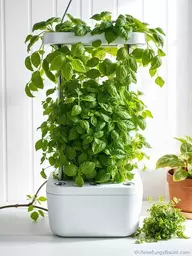 Why settle for store-bought herbs when you can grow your own at home, in any space? Hydroponic garde
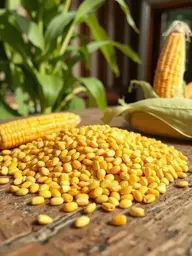 Ready to transform your gardening experience? Selecting the right sweet corn seeds can make all the
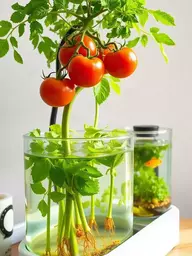 Imagine harvesting juicy, flavorful tomatoes while actively contributing to sustainable agriculture.
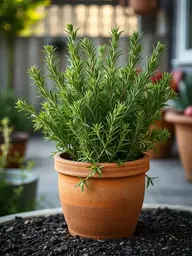 What if I told you that the secret to growing robust rosemary lies in the soil beneath your feet? Un
 Have you ever wondered how innovative techniques in gardening can reshape our food production? Hydro
 As you prepare to embark on your journey of growing garlic, consider this: garlic cultivation isn't