Essential Tools for Bonsai Beginners
Posted on: 2026-07-25
By: Clara M. Greene
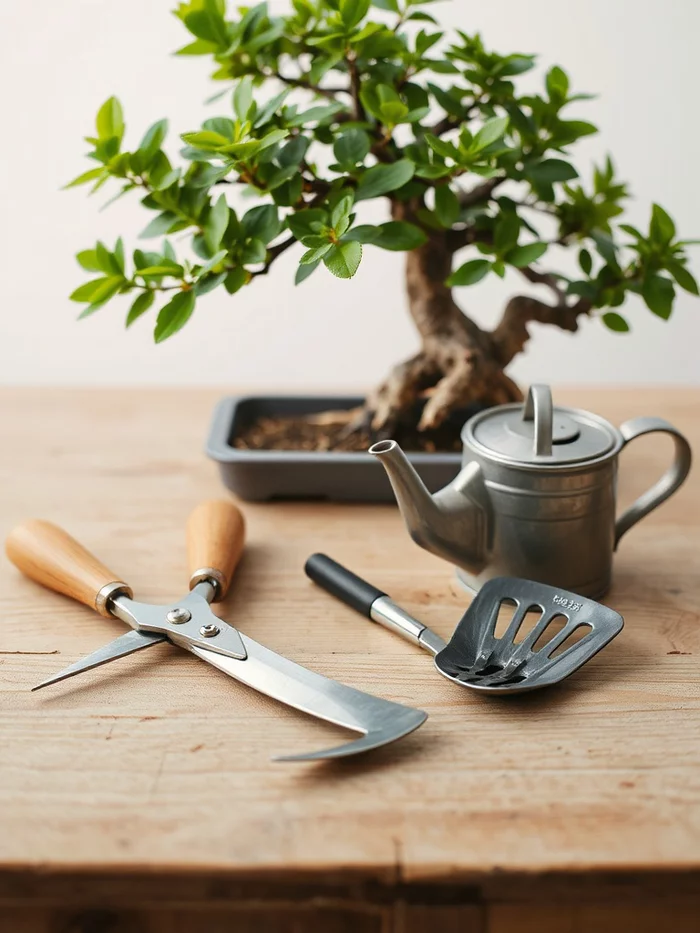
Have you ever considered how the tools you use can impact your gardening success? In bonsai, precision is paramount, and the right equipment can transform your experience. This guide unveils must-have tools to elevate your bonsai journey.
What You Will Learn
- The essential tools in a beginner bonsai kit for achieving optimal results.
- Why using specialized bonsai tools is crucial for the health and aesthetics of your trees.
- Common mistakes to avoid when selecting tools, including the pitfalls of using household items.
- The importance of selecting the right tool sizes for different tree types to prevent damage.
- Tips for engaging with the bonsai community and learning from experienced gardeners.
Bonsai Tool Essentials and Common Mistakes
This visual highlights the core tools every beginner needs for bonsai care and common pitfalls to avoid when selecting and using them. For a broader understanding of gardening essentials, explore our guide on essential tools for new gardeners.
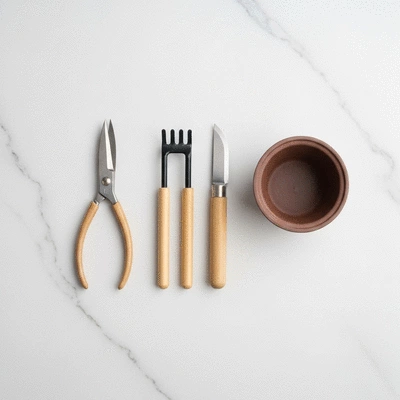
Essential Beginner Bonsai Tool Kit
- ✓ Bonsai shears
- ✓ Concave cutters
- ✓ Wire cutters
- ✓ Root rake
- ✓ Pruning saw
- ✓ Root tools
- ✓ Tweezers
- ✓ Training wire
Common Tool Mistakes to Avoid
Household Tools:
- ✗ Kitchen scissors (lack precision)
- ✗ Wire cutters (only for thin wire)
- ✗ Garden shears (overkill for small branches)
Tool Sizes for Tree Types:
- ⚠ Small trees: Use smaller, delicate tools
- ⚠ Medium trees: Standard-sized tools
- ⚠ Larger bonsai: Larger saws & pruners
Importance of Right Tools
- ● **Precision**: Clean cuts promote quick healing.
- ● **Efficiency**: Streamlines maintenance tasks.
- ● **Health**: Prevents damage, disease, and pests.
Beyond Tools: Care Essentials
- ✓ Organic bonsai fertilizer
- ✓ Watering can with fine spout
Next Steps for Tool Selection
Personalized Buying List:
- ● Based on tree types
- ● Include optional tools
- ● Align with gardening goals
Community & Learning:
- ● Engage with bonsai community
- ● Explore classes & workshops
Exploring Bonsai Classes and Workshops for Hands-On Learning
Finally, consider enrolling in bonsai classes or workshops. These hands-on experiences can deepen your understanding and skills. Here’s what to look for:
- Beginner classes focusing on tool use and basic care techniques.
- Workshops that allow you to interactively practice with tools.
- Opportunities to ask questions directly to experienced bonsai artists.
By actively participating in these sessions, you’ll gain confidence and knowledge that will benefit your bonsai journey! More tips on basic bonsai care can be found in our bonsai tree care tips article.
Understanding the Essential Bonsai Tools for Beginners
As you embark on your bonsai journey, it’s crucial to have the right tools in your gardening toolkit. Bonsai is a delicate art that requires precision and care, which is why choosing the right tools can make all the difference in your success. With the right equipment, you'll not only promote healthy growth but also enjoy the process of shaping your little tree!
So, what exactly can you expect from your beginner bonsai tool kit? Let’s dive into the essentials that every aspiring bonsai gardener should have on hand.
Why Choosing the Right Bonsai Tools Matters
Choosing the right bonsai tools matters because they directly affect the health and aesthetic of your trees. Using specialized tools tailored for bonsai care helps ensure clean cuts and minimizes damage to your plants. It’s not just about having tools; it’s about having the *right* tools that meet the specific needs of your bonsai specimens.
- **Precision**: Sharp tools enable accurate cuts, promoting quick healing.
- **Efficiency**: The right tools streamline your bonsai maintenance tasks.
- **Health**: Proper tools prevent damage that can lead to disease or pest infestation.
As a passionate gardener, I can assure you that having the right tools transforms your experience! Whether you're trimming, shaping, or repotting, each tool plays a unique role in nurturing your bonsai. For more insights on specific tools, check out our guide on selecting the best garden pruners.
What to Expect from Your Beginner Bonsai Tool Kit
Your beginner bonsai tool kit should provide you with the essential instruments to get started. Think of this kit as your bonsai care starter pack—everything you need to create a thriving little tree! Below are the core tools you should include:
- Bonsai shears
- Concave cutters
- Wire cutters
- Root rake
- Pruning saw
- Root tools
- Tweezers
- Training wire
With these tools, you'll be primed to take on the art of bonsai! Remember, each tool serves a purpose, helping you to maintain your tree's shape and health effectively.
Core Tools Every Bonsai Beginner Should Consider
Now that you're familiar with the importance of choosing the right tools, let’s explore the specific tools every bonsai beginner should consider using. Each plays a vital role in your bonsai care routine.
Pro Tip
When selecting bonsai tools, consider investing in high-quality materials that will last. Stainless steel tools, for example, provide durability and maintain sharpness over time, leading to cleaner cuts and healthier trees. This small investment can significantly enhance your bonsai experience!
Avoiding Common Mistakes with Bonsai Tools
As you dive into the world of bonsai, avoiding common pitfalls can make a huge difference in your gardening experience! Here at All American Gardeners, I've seen many novice bonsai enthusiasts struggle with tool selection and use. Let's talk about a few mistakes that are easily avoidable with the right knowledge.
Substituting Household Tools: What Works and What Doesn’t
Using household tools might seem like a convenient shortcut, but it can lead to more harm than good. While some tools can work, others can damage your beloved bonsai trees. Here’s a quick list of common household items and their effectiveness:
- Kitchen scissors: Not recommended; they lack precision.
- Wire cutters: Only suitable for thin wiring; not for cutting branches.
- Regular pliers: Can substitute for bonsai tools in a pinch, but might not provide the same control.
- Garden shears: Overkill for small branches; can cause unnecessary damage.
In my experience, investing in proper bonsai tools will save you time and effort in the long run! For more insights on general garden tools, you can refer to our essential garden hand tools list.
Understanding Tool Sizes for Different Tree Types
Not all bonsai tools are one-size-fits-all. Different tree species and sizes require specific tools to ensure healthy growth. Here’s what you need to keep in mind:
- Small trees: Opt for smaller shears and cutters for delicate branches.
- Medium trees: Standard-sized tools usually work best for average-sized bonsai.
- Larger bonsai: Make sure to have larger saws and pruners on hand for thicker branches!
Understanding these size dynamics will help you choose the right equipment and avoid potential damage.
Using the Right Fertilizer and Watering Can for Healthy Growth
When it comes to bonsai care, it’s not just about the tools. Choosing the appropriate fertilizer and watering can is crucial! I've found that the right products can enhance growth and overall health. Here’s a quick guide:
- Fertilizers: Look for organic options that are specifically formulated for bonsai; they provide balanced nutrients without harsh chemicals.
- Watering cans: A can with a fine spout allows for gentle watering, which is essential for avoiding soil displacement.
Remember, both over-fertilizing and over-watering can lead to detrimental results. So, choose wisely!
Your Next Steps in Bonsai Tool Selection
Now that you're aware of common mistakes, it’s time to take the next steps in your bonsai journey! Selecting the right tools is key to cultivating a stunning bonsai. Let’s explore some helpful strategies.
Creating a Personalized Buying List Based on Your Goals
Before you dive into purchasing tools, take a moment to think about your specific goals as a bonsai gardener. Are you aiming for aesthetic beauty, or are you focused on healthy growth? Create a buying list that reflects your aspirations:
- List essential tools based on your tree types.
- Include any optional tools that may enhance your care.
- Prioritize items that align with your gardening goals.
This personalized approach will help you stay organized and focused while shopping!
Engaging with the Bonsai Community for Recommendations
Connecting with other bonsai enthusiasts can provide invaluable insights. Don't hesitate to engage with local clubs or online forums. Here’s how they can help:
- Share personal tool recommendations and experiences.
- Learn about local workshops and classes.
- Exchange tips for caring for various bonsai species.
The bonsai community is rich with knowledge, and I encourage you to tap into those resources!
Exploring Bonsai Classes and Workshops for Hands-On Learning
Finally, consider enrolling in bonsai classes or workshops. These hands-on experiences can deepen your understanding and skills. Here’s what to look for:
- Beginner classes focusing on tool use and basic care techniques.
- Workshops that allow you to interactively practice with tools.
- Opportunities to ask questions directly to experienced bonsai artists.
By actively participating in these sessions, you’ll gain confidence and knowledge that will benefit your bonsai journey! More tips on basic bonsai care can be found in our bonsai tree care tips article.
Frequently Asked Questions About Bonsai Tools
Here are some common questions to help you further understand bonsai tools and their importance.
Q: Why can't I use regular household scissors for bonsai?
A: Household scissors lack the precision and sharpness required for clean cuts on bonsai trees. Using them can damage the delicate branches and hinder proper healing, potentially leading to disease or an undesirable aesthetic.
Q: What are concave cutters used for in bonsai?
A: Concave cutters are specialized tools designed to make spherical cuts that heal flush with the trunk or branch. This minimizes scarring and helps maintain the tree's natural appearance as it grows.
Q: Do I need different tool sizes for different bonsai trees?
A: Yes, it's highly recommended. Smaller, more delicate tools are best for small bonsai, while standard tools suit medium-sized trees. Larger saws and pruners are necessary for thicker branches on larger bonsai to ensure clean cuts and prevent damage.
Q: Besides tools, what other care essentials are important for bonsai?
A: Beyond tools, essential care items include organic bonsai fertilizer for balanced nutrients and a watering can with a fine spout to ensure gentle and even watering without displacing soil.
Q: How can engaging with the bonsai community help me?
A: The bonsai community offers invaluable resources such as personal tool recommendations, insights into local workshops and classes, and opportunities to exchange tips for caring for various bonsai species. It's a great way to learn from experienced enthusiasts.
Recap of Key Points
Here is a quick recap of the important points discussed in the article:
- Choosing the right bonsai tools is essential for the health and aesthetic of your trees.
- Your beginner bonsai tool kit should include bonsai shears, concave cutters, wire cutters, a root rake, and more.
- Avoid using household tools that may damage your bonsai; invest in specialized bonsai tools instead.
- Different tree types require specific tool sizes; ensure you have the appropriate tools for your bonsai.
- Selecting the right fertilizer and watering can is crucial for promoting healthy growth.
- Engaging with the bonsai community can provide valuable insights and recommendations for tool selection.
- Consider taking bonsai classes or workshops for hands-on learning and skill development.
 Why settle for store-bought herbs when you can grow your own at home, in any space? Hydroponic garde
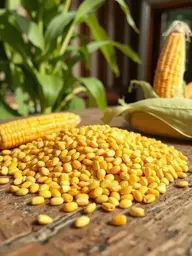 Ready to transform your gardening experience? Selecting the right sweet corn seeds can make all the
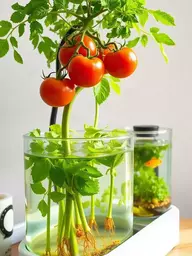 Imagine harvesting juicy, flavorful tomatoes while actively contributing to sustainable agriculture.
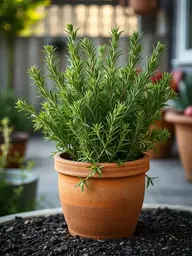 What if I told you that the secret to growing robust rosemary lies in the soil beneath your feet? Un
 Have you ever wondered how innovative techniques in gardening can reshape our food production? Hydro
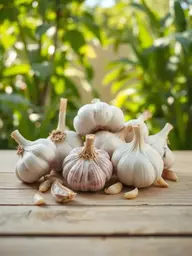 As you prepare to embark on your journey of growing garlic, consider this: garlic cultivation isn't