Are you ready to transform your gardening experience? The right pruners can be the difference between a flourishing garden and one that struggles. By understanding the essentials of garden pruners, you'll empower yourself to take your gardening skills to the next level!
What You Will Learn
Choosing the right garden pruners promotes healthy growth by making clean cuts.
Different types of pruners (bypass, anvil, ratchet) serve distinct purposes for varying plant needs.
Key features like ergonomic grips and safety locks enhance comfort and usability.
Material choices, such as stainless and carbon steel, affect the durability and maintenance of pruners.
Understanding cutting capacity and blade length is crucial for effective pruning across different plants.
Understanding Pruner Types and Their Best Use Cases
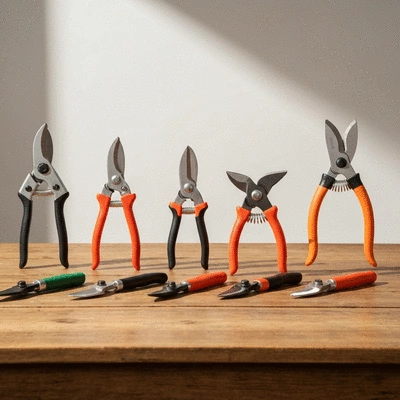
This visual guide categorizes garden pruners by their design, optimal use, and key features to help you select the right tool for various gardening tasks. To learn more about other essential tools, check out our guide on essential garden hand tools.
The 3 Main Types of Garden Pruners
Bypass Pruners
Mechanism: Two blades bypass each other like scissors. Best For: Precise cuts on live plants, tender stems. Result: Clean cuts that promote quick healing.
Anvil Pruners
Mechanism: Single blade cuts against a flat surface. Best For: Cutting through dead wood, tougher branches. Result: Efficient for dry, woody material.
Fit: Comfortable grip, balanced feel. Features: Shock-absorbing for reduced strain, safety lock. Capacity: Choose based on branch thickness; shorter blades for precision, longer for larger cuts.
Understanding the Essentials of Garden Pruners: What You Need to Know
As a passionate gardener, I can tell you that selecting the right garden pruners is crucial for the health and growth of your plants. Just like choosing the right tools for any job, the right pruners can make all the difference in how effectively you care for your garden. With proper tools, you can encourage healthier growth, prevent disease, and keep your plants looking their best!
When you choose appropriate pruners, you're setting the stage for successful gardening. The right pruners allow you to make clean cuts, promote healing, and minimize stress on the plant. It's about more than just pruning; it’s about fostering a thriving garden that flourishes!
Why Choosing the Right Garden Pruners Matters for Your Plants
Every plant has its unique needs, and understanding how to best meet those needs starts with the right tools. Using the wrong type of pruner can lead to jagged cuts, which might invite pests and diseases into your beloved plants. Trust me, I’ve seen it happen too many times!
Clean Cuts: Good pruners make smooth cuts that allow plants to heal quickly.
Reduced Stress: The right pruners minimize stress on the plant, promoting healthier growth.
Versatility: Different pruners cater to various plant types, ensuring you have the right tool for the job.
By investing in the right pruners, you’re not just buying a tool; you’re investing in the overall health of your garden. And who wouldn't want that? For more tips on maintaining healthy plants, read our guide on plant care tips for home gardeners.
Exploring Different Types of Garden Pruners: Bypass, Anvil, and More
Let’s dive into the various types of garden pruners available. Each type has its strengths and ideal uses, making it essential to understand what suits your gardening style best!
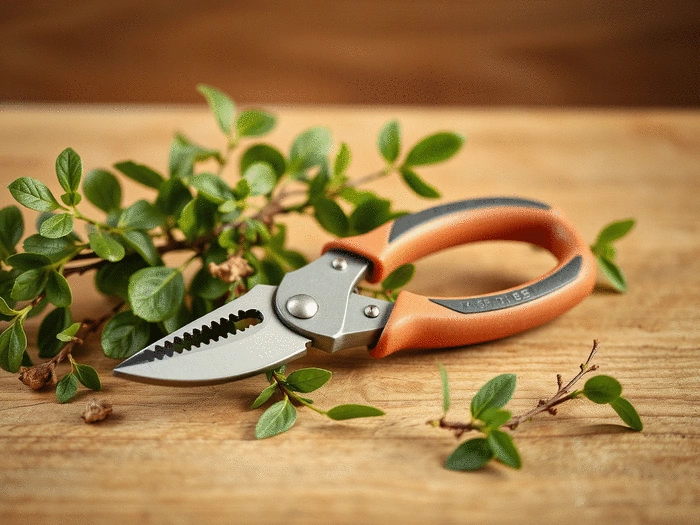
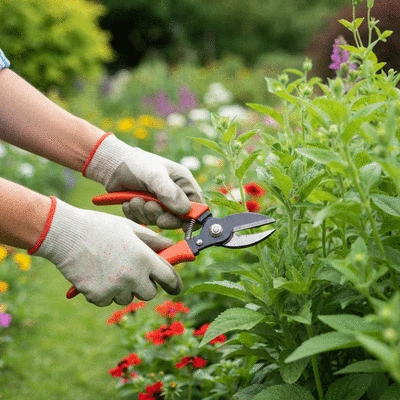
Bypass Pruners: Perfect for making precise cuts on live plants, these have two blades that bypass each other like scissors.
Anvil Pruners: These are great for cutting through dead wood, as they feature a single blade that cuts against a flat surface.
Ratchet Pruners: Ideal for those who need a little more leverage, these pruners provide a mechanical advantage for easier cutting.
Choosing the right type depends on your gardening needs. If you're pruning tender stems, go for bypass pruners; for dead branches, anvil pruners are your best friend. Understanding these differences can significantly enhance your gardening experience!
Key Features of Secateurs: What Sets Them Apart
Now that we've explored the types of pruners, let’s focus on secateurs, a type of pruner often used by serious gardeners. These tools are specifically designed for precision and ease of use, making them a favorite among home gardeners like us.
Comfortable Grip: Secateurs often come with ergonomic handles that reduce hand fatigue.
Safety Lock: Most models feature a safety lock to prevent accidental cuts when not in use.
Durability: High-quality materials ensure longevity, making them a worthwhile investment.
Secateurs can make all the difference when it comes to maintaining your plants. With the right features, they become an extension of your gardening skills, allowing you to prune with confidence and precision!
Key Factors to Consider When Selecting Pruning Shears
Evaluating Size and Fit for Comfort and Efficiency
When it comes to pruning shears, size and fit cannot be overstated. Choosing pruners that fit comfortably in your hand can significantly impact your efficiency and enjoyment while gardening.
Hold the pruners and check if they feel comfortable and balanced. If they’re too heavy or bulky, you might struggle to use them for extended periods. Remember, gardening should be a joy, not a chore!
Material Matters: Blade Coatings and Handle Composition
The materials used in your pruners can greatly influence their performance. For instance, stainless steel blades are resistant to rust and corrosion, while carbon steel blades tend to stay sharper longer.
Stainless Steel: Ideal for resistance to rust and easy maintenance.
Carbon Steel: Holds its edge well, but may require more maintenance.
Ergonomic Handles: Made from lightweight materials to reduce fatigue.
Considering these factors helps ensure you choose pruners that will last and make your gardening tasks more enjoyable!
Understanding Cutting Capacity and Blade Length for Different Plants
Not all pruners are created equal when it comes to cutting capacity and blade length. These features can significantly affect your ability to prune different types of plants effectively.
Cutting Capacity: Make sure to choose pruners that can handle the thickness of the branches you’ll be cutting.
Blade Length: Shorter blades offer precision, while longer blades are better for larger cuts.
Understanding what you’re working with will help you select the most efficient pruners for your plants. I always recommend testing a few options to find what feels best in your hands! You can find more information about different plant needs and care in our post on understanding plant tag information.
Ergonomics and Comfort Features for Extended Use
Gardening can be a long process, and comfort is key! Ergonomic designs in pruners can significantly enhance your experience and reduce strain on your hands.
Comfort Grip Handles: These are designed to fit your hand comfortably, especially during extended use.
Shock Absorbing Features: Some pruners come with shock-absorbing mechanisms that help reduce stress on your hands during cuts.
When you invest in ergonomic tools, you’re investing in your own comfort and ability to enjoy gardening for many years!
Durability and Price: Finding the Right Balance
Price often correlates with quality when it comes to gardening tools. However, it’s essential to find a balance between durability and price to ensure you're making a wise investment.
Warranty: Look for pruners that come with a warranty; this can be a good indicator of durability.
Manufacturer Reputation: Consider brands known for producing high-quality tools.
By evaluating these criteria, you’re more likely to find pruners that serve you well for many seasons to come. Remember, investing in quality tools now can save you money and frustration later!
Pro Tip
Did you know? Regular maintenance of your garden pruners can significantly extend their lifespan and ensure optimal performance. After each use, wipe the blades clean to remove sap and debris. Additionally, consider sharpening the blades periodically to maintain a clean cutting edge, which will promote healthier plant growth and reduce the risk of damage.
Frequently Asked Questions About Garden Pruners
What are the main types of garden pruners?
The main types are bypass pruners (for clean cuts on live plants), anvil pruners (for cutting dead wood), and ratchet pruners (for extra leverage on tougher branches).
Why is choosing the right pruner important?
Using the correct pruners ensures clean cuts that promote quick healing, reduces stress on the plant, prevents disease, and ultimately leads to healthier plant growth.
What materials are best for pruner blades?
Stainless steel blades are rust-resistant and easy to maintain, while carbon steel blades stay sharper longer but may require more maintenance.
How do I choose the right size pruner?
Select pruners that fit comfortably in your hand, feel balanced, and are not too heavy or bulky for extended use. Ergonomic grips and shock-absorbing features also enhance comfort.
What is cutting capacity?
Cutting capacity refers to the maximum thickness of a branch a pruner can effectively cut. It's crucial to match the pruner's capacity to the typical size of branches you'll be pruning.
Recap of Choosing the Right Pruners for Your Gardening Needs
As we've explored, selecting the right pruners is essential for maintaining the health and beauty of your garden. Choosing between different types of pruners, evaluating key features, and considering user-specific recommendations all contribute to a successful gardening experience. Remember, the right tools can make your gardening tasks easier and more enjoyable!
To recap, here are the main points we've discussed about pruner types and selection:
Types of Pruners: Bypass, anvil, and ratchet pruners all serve different purposes.
Comfort and Fit: Choosing pruners that fit your hand can significantly improve efficiency.
Materials: The right blade coating and handle composition can enhance performance and longevity.
Cutting Capacity: Understanding the blade length and cutting capacity is crucial for different plants.
Durability vs. Price: Finding a balance between quality and cost ensures a worthwhile investment.
Now that you have a solid understanding of what to look for in pruners, it's time to put your knowledge into action!
Next Steps: Where to Buy and How to Make an Informed Decision
With the right information at hand, it’s time to explore your purchasing options! You can choose to shop at local garden centers, where you can handle the tools and get advice directly from knowledgeable staff. Alternatively, online gardening stores often offer a wider selection and competitive prices.
Local Garden Centers: Get personalized recommendations and support.
Online Stores: Access a broader range of products and read customer reviews.
Before making a purchase, I recommend checking out our curated list of the best pruning shears that suit various gardening needs. You’ll find links to reliable products that I trust will serve you well!
Engaging with the Gardening Community: Share Your Experiences and Tips
I’d love to hear from you! What pruners have you tried, and how did they work for your gardening needs? Your insights and experiences are invaluable to fellow gardeners. Please share your thoughts or any tips you have in the comments section below! For those just starting their gardening journey, explore our organic gardening tips for beginners.
Connecting with our gardening community can provide further support and inspiration. At All American Gardeners, we believe in sharing knowledge to cultivate better gardens together!
Recap of Key Points
Here is a quick recap of the important points discussed in the article:
Types of Pruners: Bypass, anvil, and ratchet pruners serve different purposes.
Comfort and Fit: Choosing pruners that fit your hand can significantly improve efficiency.
Materials: The right blade coating and handle composition can enhance performance and longevity.
Cutting Capacity: Understanding the blade length and cutting capacity is crucial for different plants.
Durability vs. Price: Finding a balance between quality and cost ensures a worthwhile investment.
Subscribe & Share
2026-08-28
Growing Herbs with Hydroponics
Why settle for store-bought herbs when you can grow your own at home, in any space? Hydroponic garde
2026-08-27
Growing Sweet Corn from Seeds
Ready to transform your gardening experience? Selecting the right sweet corn seeds can make all the
Growing Your Own Garlic Bulbs
As you prepare to embark on your journey of growing garlic, consider this: garlic cultivation isn't
All American Gardeners
Your premier online resource for mastering home gardening across the U.S. We empower American home gardeners with expert tips, step-by-step guides, and sustainable practices for thriving outdoor spaces.
Trusted by gardeners nationwide, our mission is to provide reliable, easy-to-follow insights backed by Clara M. Greene's extensive horticulture experience and practical advice.