History & Evolution of Bonsai
- ✓Chinese Origins:Began as cultivating nature in small forms.
- ✓Japanese Refinement:Evolved into a revered art form with specific styles.
- ✓Global Influence:Inspires gardeners worldwide today.
Over 1000 Years Old
Join Clara M. Greene's community for expert tips and seasonal guides tailored for American gardeners.
Posted on: 2026-06-16
By: Clara M. Greene
As you delve into the art of cascade style bonsai, consider this: every tree tells a story, and your journey will be filled with opportunities for creativity and connection. Ready to transform your gardening experience? Let's explore the key takeaways!
Delve into the rich history and transformative journey of cascade bonsai, from its ancient origins to its captivating visual progression. This art form not only enhances your garden but also deepens your connection with nature. For those just starting, understanding bonsai trees: a beginner's guide can provide a solid foundation.
Welcome to the fascinating world of cascade style bonsai! If you’re looking to add a touch of elegance to your garden, this art form might just be what you need. Cascade bonsai, characterized by its dramatic downward growth, mimics the beauty of trees growing in nature. As a gardener passionate about empowering fellow enthusiasts, I’m excited to share insights that will help you embark on this rewarding journey.
But what exactly is cascade style bonsai? Let’s dive into the details and explore why this technique has captured the hearts of gardeners everywhere.
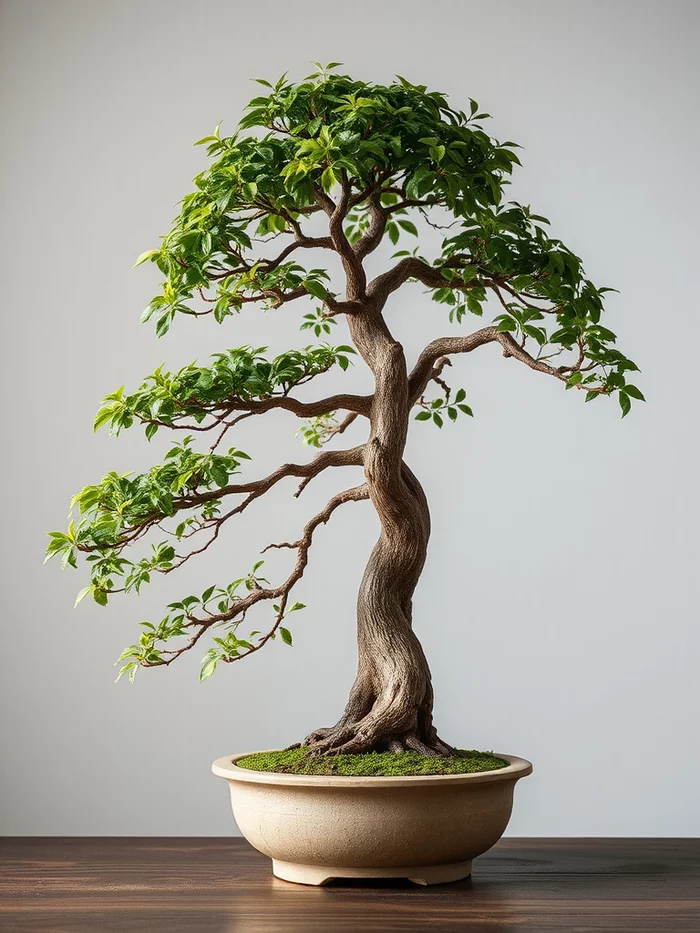
Cascade style bonsai is a form that features trees with a trunk that bends gracefully downward, often as if it’s reaching for water in a stream below. This style creates a stunning visual effect that can transform any space. The essence of bonsai is to capture the beauty of nature within a small, manageable form, and cascade bonsai does just that!
This style not only enhances the visual appeal of your garden but also encourages a deeper connection with nature. It invites you to reflect on the beauty and struggles of trees in their natural environments.
Choosing cascade style for your bonsai can be incredibly rewarding for several reasons. First and foremost, it allows you to showcase your creativity. Each tree becomes a unique piece of art that tells its own story. Additionally, this style can be quite forgiving for gardeners, as it often hides imperfections well! For more general guidance on nurturing your plants, check out these plant care tips for home gardeners.
As you work with cascade bonsai, you’ll find that it encourages you to think outside the box and develop a personal touch in your gardening practice. Each twist and turn of the trunk reflects not only your skill but also your vision!
The art of bonsai has a rich history that dates back over a thousand years, with origins tracing back to ancient China before flourishing in Japan. The term “bonsai” translates to “planted in a container,” which perfectly captures the essence of this beautiful practice. Originally, bonsai was reserved for the elite, symbolizing status and wealth.
As I explore this history, I’m constantly reminded of how bonsai serves as a bridge connecting cultures and generations. It’s a testament to humanity’s enduring appreciation for nature and beauty!
As you embark on your cascade bonsai journey, what challenges or successes have you experienced? Share your thoughts below:
Documenting the growth of your cascade bonsai is not just about tracking its physical changes; it’s a beautiful way to celebrate the journey you've undertaken as a gardener! Using photography can enhance your appreciation for the intricate details of your bonsai tree as it evolves. I often find that capturing these moments helps me reflect on what I’ve learned and the care I’ve provided.
Here are some key points to consider when documenting your bonsai:
By creating a visual timeline, you not only gain insight into your bonsai’s development, but you also create a cherished scrapbook of your gardening journey!
Taking the time to photograph your cascade bonsai can be incredibly rewarding. As you review the photos over time, you might find yourself amazed at how much your tree has transformed. You can also share these images with fellow gardeners or in online forums, inviting feedback and encouragement from the community!
Consider using these photography tips:
These practices not only help in documenting growth but also make sharing your passion for bonsai more enjoyable!
As you observe the staged progression of your cascade bonsai, you'll notice the unique personality it develops. Each tree tells a story, and being attentive to these changes can deepen your connection with your plant. Just like nurturing a close friend, your bonsai evolves with care and attention. For more specific guidance on pruning your bonsai tree's shape, consider exploring detailed techniques.
To effectively observe and appreciate these changes, consider these practices:
By focusing on these aspects, you'll gain a greater appreciation for your cascade bonsai and enhance your skills as a gardener!
As you dive deeper into the art of cascade bonsai, connecting with others who share your passion can be immensely rewarding. At All American Gardeners, I often encourage readers to reach out and engage with local and online bonsai communities. This interaction can foster friendships and deepen your understanding of bonsai techniques.
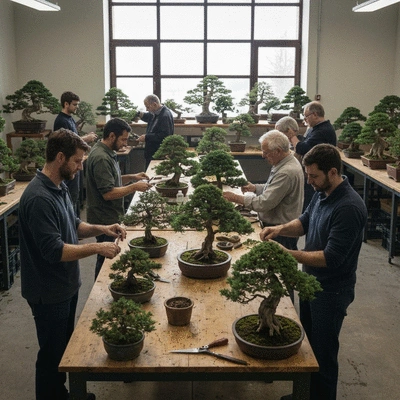
Joining a bonsai club or attending workshops can provide invaluable insights and inspiration. These communities often offer:
Engaging with others can elevate your craft and create lasting relationships!
Competitions and exhibits are fantastic platforms to showcase your cascade bonsai and witness the artistry of others. Participating in these events can be thrilling and motivating! You'll see many unique styles, inspiring you to refine your own techniques.
When preparing for competitions or exhibits, consider these steps:
With each exhibit, you’ll not only gain valuable experience, but you'll also contribute to the vibrant bonsai community that makes this art form so special!
A: Cascade style bonsai is unique due to its dramatic downward-bending trunk, which mimics trees growing in nature, often appearing to reach for water. This creates a stunning visual effect and a sense of movement.
A: Choosing cascade style allows for immense creative expression, as each tree tells its own story. It can also be quite forgiving for gardeners and fits well in various garden settings, representing resilience and beauty.
A: Documenting growth through photography is highly recommended. Take photos at regular intervals (e.g., monthly or after pruning), from different angles, and zoom in on details like leaves and bark. This helps track progress and enhances appreciation.
A: Joining bonsai clubs or workshops provides hands-on learning from experienced artists, networking opportunities with fellow enthusiasts, and access to valuable resources on tools, species, and care techniques. It fosters friendships and deepens your understanding.
A: Yes, while it has a distinct aesthetic, the cascade style can be rewarding for gardeners of all levels. Its flexible care requirements and ability to hide minor imperfections make it a viable option for beginners who are eager to explore diverse bonsai forms.
As you embark on your cascade bonsai journey, remember that every step you take is part of a larger story. Embrace the challenges and triumphs, and don’t hesitate to reach out to your fellow gardeners at All American Gardeners for support and knowledge. Your journey awaits—let's get growing!
Here is a quick recap of the important points discussed in the article:
Final content section.