Optimal Placement
Sheltered Location: Cold frame or unheated garage.
Protection: Shield from harsh winds and extreme temperatures.
Join Clara M. Greene's community for expert tips and seasonal guides tailored for American gardeners.
As winter approaches, your Japanese Maple Bonsai requires special care to ensure it emerges healthy in the spring. What essential practices should you follow to keep your bonsai thriving through the cold months?
This visual outlines the crucial steps and considerations for successfully guiding your Japanese Maple Bonsai through its essential winter dormancy period, ensuring its health and vibrant return in spring. For a broader understanding of bonsai care principles, you might find our Bonsai Tree Care Tips article particularly helpful.
Sheltered Location: Cold frame or unheated garage.
Protection: Shield from harsh winds and extreme temperatures.
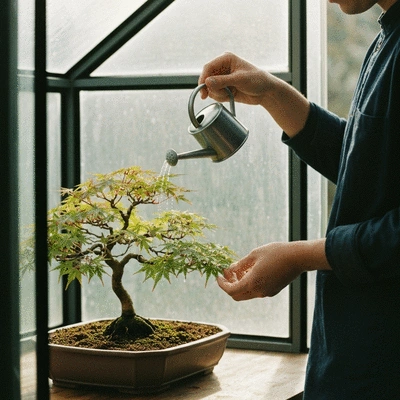
Frequency: Water less frequently during dormancy.
Check Soil: Every couple of weeks to avoid overwatering.
Technique: Use mulch or protective covers.
Goal: Provide an extra layer of insulation against frost.
Monitoring: Regularly check for signs of stress (discoloration, wilting).
Outcome: Ensures a robust growing season in spring.
Welcome to the enchanting world of Japanese Maple Bonsai, or Acer palmatum, a beloved choice among bonsai enthusiasts! With their stunning foliage and graceful structure, these trees offer more than just beauty—they also provide a rewarding gardening experience. As someone who has spent years nurturing various plants, I can attest to the joy that these exquisite bonsais bring to our lives.
Japanese Maple Bonsai are particularly popular due to their adaptability and vibrant color changes throughout the seasons. From brilliant reds and oranges in the fall to fresh greens in spring, their aesthetic appeal is truly remarkable. But caring for them, especially during the winter months, requires some special attention!
These bonsai plants thrive best in well-draining soil and benefit from a careful watering routine. When cultivated properly, they can be a stunning centerpiece in your garden or home. Their delicate branches and intricate leaves make them a favorite for both novice and experienced gardeners alike. If you're new to bonsai, our Bonsai Trees: A Beginner's Guide offers excellent foundational knowledge.
As you embark on your journey with Japanese Maple Bonsai, remember that understanding their care needs is essential—not just for their growth, but for their survival through the chilly winter months.
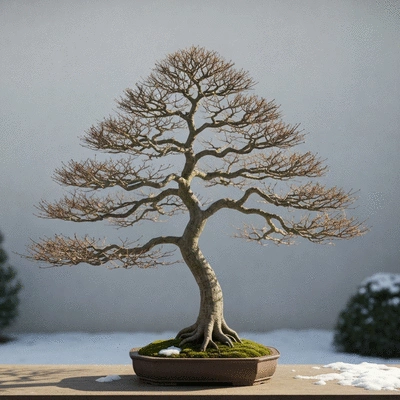
Winter dormancy is a crucial phase for Japanese Maple Bonsai. During this time, the trees enter a state of rest, allowing them to conserve energy and prepare for the growth spurt that comes in spring. This process helps them survive the cold temperatures, but it also means that we, as caretakers, need to adjust our care practices.
Understanding what dormancy entails is key. Essentially, your bonsai will slow down its growth and may even lose some leaves. This is a natural cycle! By providing the right winter conditions, we ensure that these lovely trees emerge healthy and ready to thrive when warmer weather arrives.
As you prepare to care for your Japanese Maple Bonsai this winter, we want to know: What is your primary method for ensuring your bonsai thrives during dormancy?
Caring for your Japanese Maple Bonsai during the winter months is essential for its longevity and vibrancy. Here are some key points to remember:
By following these practices, you're setting your bonsai up for a healthy dormancy period. Remember, the goal is to maintain a balance that keeps your plant thriving without unnecessary stress!
As we look toward spring, it’s crucial to continue monitoring your bonsai’s health throughout the winter. Regularly check for signs of stress, such as leaf discoloration or wilting. If you notice any issues, address them promptly to ensure your tree remains strong and vibrant. Following through with the recommended care tips lays the foundation for a robust growing season once warmer temperatures arrive.
Engaging with this nurturing process fosters not only plant health but also your connection to the gardening experience. Trust me, the rewards of patience and diligence are immensely gratifying when you see your bonsai thrive!
At All American Gardeners, we believe in the power of community. I encourage you to share your bonsai experiences and questions with fellow enthusiasts. Whether you're a seasoned gardener or just starting, exchanging knowledge can greatly enhance our collective understanding of bonsai care.
Consider joining online forums or local gardening groups where you can connect with others who share your passion. Together, we can tackle challenges and celebrate the joys of bonsai cultivation!
To deepen your bonsai expertise, check out additional guides available on our website. Topics range from seasonal care to specific techniques tailored for Japanese Maples, ensuring you have access to a wealth of information that supports your gardening journey. More knowledge means better care, and I’m here to help you every step of the way!
Finally, consider delving into traditional Japanese gardening techniques that can enhance your bonsai care. Techniques such as pruning, wiring, and soil management have been honed over centuries and are integral to the art of bonsai. Learning these practices can significantly improve your cultivation skills. For more general advice on plant health and care, our guide on Year-Round Plant Care Guide provides valuable insights.
At All American Gardeners, I strive to share these valuable insights with you, offering practical advice to help you become a more confident gardener. Remember, each bonsai journey is unique, and embracing both modern and traditional techniques can lead to beautiful results!
Here is a quick recap of the important points discussed in the article: