Growing Sweet Peas from Seed
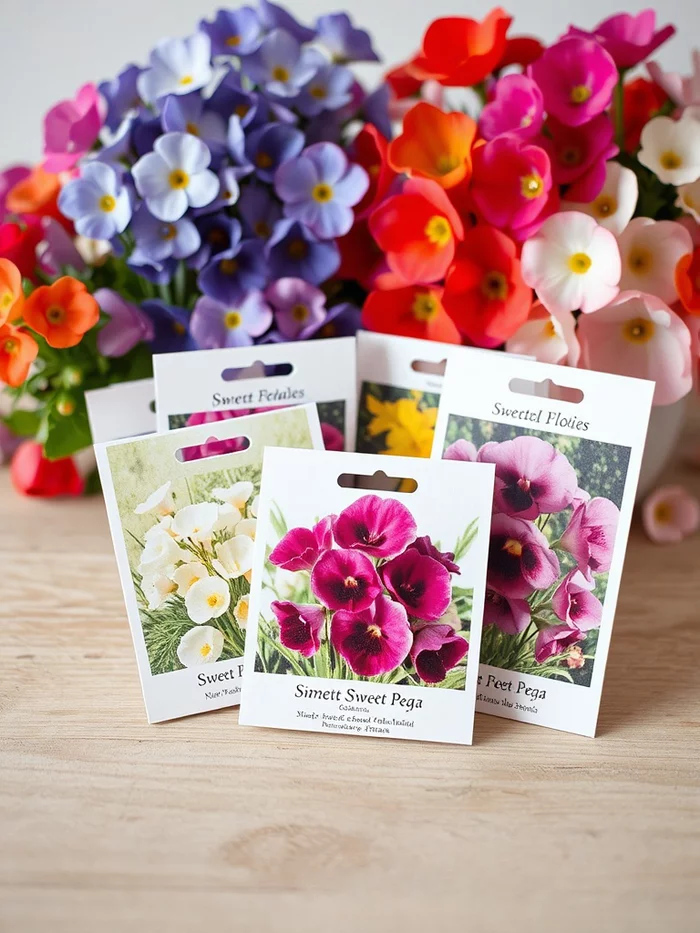
Posted on: 2026-06-20
By: Clara M. Greene
What if I told you that sweet peas not only beautify your garden but also carry stories of love and history? These charming flowers have delighted gardeners for centuries, and understanding them can transform your outdoor space into a fragrant paradise. Let's explore the essential insights you'll gain about sweet pea seeds!
What You Will Learn
- Botanical Essentials: Sweet peas, or Lathyrus odoratus, are climbing annuals from the legume family, thriving in cooler temperatures.
- Fragrance and Aesthetic Appeal: Known for their exquisite scent and vibrant color range, sweet peas can enhance any garden with their long blooming season.
- Historical Significance: First cultivated in the early 19th century, sweet peas symbolize love and appreciation, making them meaningful additions to your floral displays.
- Choosing the Right Seeds: Understanding the differences between heirloom and hybrid varieties helps ensure a successful and vibrant garden experience.
Sweet Pea Seeds: Types and Characteristics
A quick look at the distinctions between Heirloom and Hybrid Sweet Pea varieties, alongside key features.

Understanding Sweet Pea Seeds: A Comprehensive Overview
Sweet peas are not just another flower in the garden; they are a delightful blend of fragrance, color, and elegance that can elevate any outdoor space! As a passionate gardener, I find that sweet peas bring a touch of charm and nostalgia to my garden, making them a must-have for every home gardener. In this section, we'll dive into what sweet pea seeds are all about, their enchanting appeal, and even their historical significance. For more insights on selecting the right seeds for your garden, explore our guide on choosing the right gardening seeds.
What Are Sweet Pea Seeds and Their Botanical Background?
Sweet pea seeds, scientifically known as Lathyrus odoratus, belong to the legume family and are cherished for their climbing abilities and vibrant blooms. These annual plants thrive in cooler temperatures, making them perfect companions for spring gardens. When you sow these seeds, you're not just planting a flower; you're initiating a compelling journey from seed to splendid blossom!
- Botanical Classification: Leguminosae family.
- Native Habitat: Mediterranean region.
- Growth Habit: Climbing vines that reach up to 6 feet.
Understanding their botanical background helps you appreciate their unique growth habits. As they flourish, sweet peas can create a captivating vertical display, making them ideal for trellises and fences.
The Appeal of Sweet Peas: Fragrance and Aesthetics
One of the most alluring characteristics of sweet peas is their exquisite fragrance. The scent can fill your garden with a sweet perfume that is both soothing and invigorating! Each flower exudes a delicate aroma that can be enjoyed while tending to your plants or lounging in your garden.
- Variety of Colors: From soft pastels to bold hues.
- Long Blooming Season: Typically from late spring to early summer.
- Easy to Grow: Perfect for both novice and experienced gardeners.
These qualities make sweet peas an attractive addition to bouquets, garden borders, or even as a focal point in your garden design. I love experimenting with different colors to create a visual feast! To further enhance your garden's appeal, consider our tips for plant care tips for home gardeners.
Exploring the Historical Significance of Sweet Peas
Sweet peas have an enchanting history that dates back to the early 19th century. They were first cultivated in Italy and quickly gained popularity across Europe and America. These flowers were even considered a symbol of love and appreciation in Victorian times, often exchanged as tokens of affection!
- Origin: First discovered in 1699 by botanist Francis Masson.
- Victorian Symbolism: Represented pleasure and bliss.
- Modern-Day Relevance: Remain a staple among gardeners for their beauty and scent.
Incorporating sweet peas into your garden not only beautifies your space but also connects you to a rich history of gardening and horticulture. As I reflect on their past, I’m reminded of why I fell in love with gardening in the first place—the joy it brings and the stories it carries!
Pro Tip
Did you know? Sweet peas thrive in well-drained soil enriched with organic matter. Consider adding compost or well-rotted manure to your soil before planting. This not only enhances nutrient availability but also supports the climbing habit of these beautiful flowers, ensuring a vibrant display all season long!
Choosing the Right Sweet Pea Seeds: A Buyer’s Guide
When it comes to selecting sweet pea seeds, understanding the differences between types and varieties is crucial for a successful garden experience. With so many options available, I often find myself recommending a few key considerations that every gardener should keep in mind. After all, the right seeds can make all the difference in your floral displays!
First off, let’s explore the key types of sweet pea seeds: heirloom and hybrid varieties. Heirlooms are often praised for their rich history and diverse color palettes, while hybrids may boast improved disease resistance and higher yields. Knowing which type aligns with your gardening goals will help you make the best choice!
Types of Sweet Pea Seeds: Heirloom vs. Hybrid Varieties
- Heirloom Varieties: These seeds have been passed down through generations and usually offer unique colors and fragrances.
- Hybrid Varieties: Created for specific traits, such as disease resistance and longer blooming periods, these seeds can lead to vibrant, reliable blooms.
As you consider your options, think about what matters most to you: the charm of traditional varieties or the resilience of hybrids? Both have their place in the garden, and often a mix of both can provide a stunning display. To learn more about various seed options, check out our guide on heirloom seeds for your garden.
Popular Cultivars to Consider: High Scent and Mammoth Navy Blue
Now that you know the types of seeds, let’s dive into a couple of popular cultivars. The High Scent sweet pea is a favorite of mine for its incredible fragrance and delicate blooms. Meanwhile, Mammoth Navy Blue showcases deep, rich colors and can grow impressively tall, making it perfect for trellises.
Adding these varieties to your garden can create a sensory delight while ensuring your space looks vibrant and lush throughout the growing season!
Understanding Fragrance and Color Options
Sweet peas are known not just for their beauty but also for their captivating scents. Choosing the right fragrance can elevate your garden experience. Some varieties carry a stronger aroma than others, which can be a deciding factor in your selection.
- Scented Varieties: Look for cultivars like 'Old Spice' for an intense fragrance.
- Colorful Options: Consider combinations of light pinks, deep purples, and whites for a stunning visual impact.
As you plan your garden, think about how the colors and scents will complement each other. It’s a dance of nature, and each piece plays an important role!
Sweet Pea Color Palette: Choosing the Right Shades for Your Garden
When selecting colors, create a palette that reflects your personal style. Sweet peas come in an array of shades, ranging from soft pastels to bold, vibrant hues. I suggest considering how these colors will look in different lighting throughout the day.
For instance, pairing soft pinks with darker purples can create a lovely contrast that is eye-catching and elegant. Don’t forget to mix in some whites or creams for balance, which can help highlight the other colors!
How to Select Sweet Pea Seeds for Your Garden Aesthetic
Ultimately, the seeds you choose should enhance your garden's overall aesthetic. Think about where you plan to plant your sweet peas. Are they going in a sunny spot near your front porch, or are they part of a larger flower bed? This will influence your color and variety choices.
- Consider the backdrop: A white wall may pair beautifully with vibrant colors.
- Think about bloom time: Staggered planting can ensure a continuous display of color.
With these tips in mind, you’ll not only select the right sweet pea seeds but also create a beautiful environment that reflects your unique gardening style!
Frequently Asked Questions About Sweet Pea Seeds
- Q: What are sweet pea seeds?
- A: Sweet pea seeds, or Lathyrus odoratus, are seeds of climbing annual plants belonging to the legume family. They are known for their fragrant, vibrant blooms and are popular in gardens worldwide.
- Q: What is the difference between heirloom and hybrid sweet pea varieties?
- A: Heirloom varieties are traditional seeds passed down through generations, offering unique colors and intense fragrances. Hybrid varieties are developed for specific traits like improved disease resistance, longer blooming periods, and higher yields.
- Q: How tall do sweet peas typically grow?
- A: Sweet peas are climbing vines that can reach up to 6 feet in height, making them ideal for trellises, fences, and other vertical garden structures.
- Q: What kind of climate do sweet peas prefer?
- A: Sweet peas thrive in cooler temperatures, making them well-suited for spring gardens. They generally prefer well-drained soil enriched with organic matter.
- Q: What do sweet peas symbolize?
- A: In Victorian times, sweet peas symbolized love, appreciation, pleasure, and bliss. They are often exchanged as tokens of affection.
Recap of Key Points
Here is a quick recap of the important points discussed in the article:
- Understanding Sweet Pea Seeds: Sweet peas, or Lathyrus odoratus, are climbing annuals belonging to the legume family, thriving in cooler temperatures.
- Fragrance and Aesthetic Appeal: Known for their exquisite fragrance and vibrant colors, sweet peas bloom from late spring to early summer, making them perfect for any garden.
- Historical Significance: First cultivated in the early 19th century, sweet peas symbolize love and appreciation, holding a special place in gardening history.
- Choosing the Right Seeds: Consider heirloom vs. hybrid varieties based on desired traits like fragrance, color, and disease resistance.
- Color and Fragrance Combinations: Mixing light and dark shades, along with choosing scented varieties, can enhance your garden's aesthetic and sensory experience.

 Why settle for store-bought herbs when you can grow your own at home, in any space? Hydroponic garde
 Ready to transform your gardening experience? Selecting the right sweet corn seeds can make all the
 Imagine harvesting juicy, flavorful tomatoes while actively contributing to sustainable agriculture.
 What if I told you that the secret to growing robust rosemary lies in the soil beneath your feet? Un
 Have you ever wondered how innovative techniques in gardening can reshape our food production? Hydro
 As you prepare to embark on your journey of growing garlic, consider this: garlic cultivation isn't