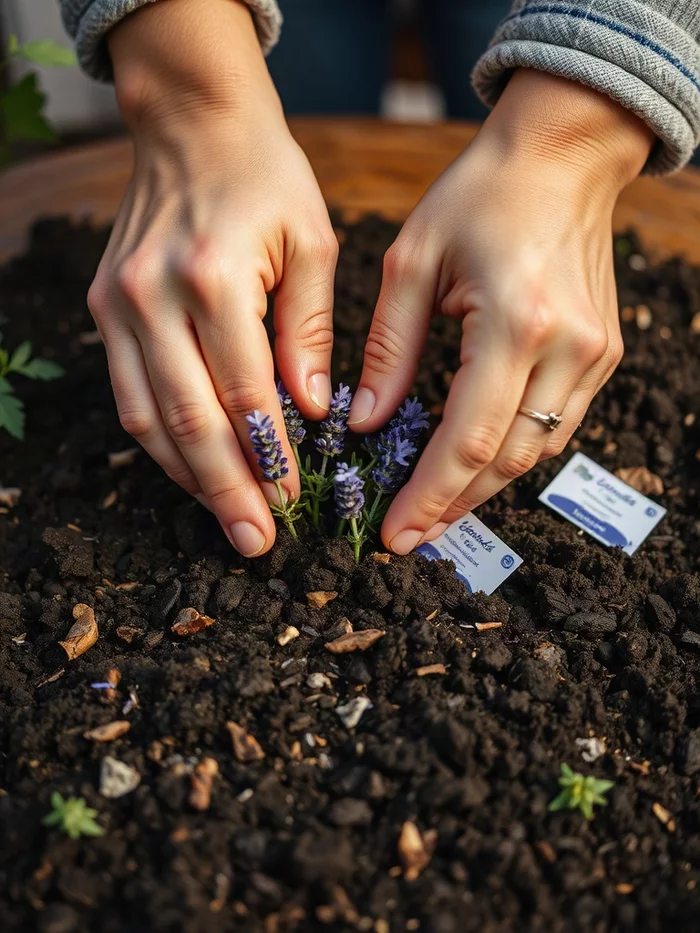
Seed Selection & Preparation
- Quality Seeds: Source from reputable suppliers.
- Germination Rates: Check packets for info and dates.
- Organic Options: Consider for sustainable gardening.
Join Clara M. Greene's community for expert tips and seasonal guides tailored for American gardeners.
Posted on: 2026-08-06
By: Clara M. Greene
Growing lavender is not just about cultivating a beautiful plant; it’s about creating an inviting and sustainable garden. Did you know that lavender not only enhances your outdoor space but also attracts pollinators? Let’s explore the essential lessons you’ll learn about planting and nurturing lavender.
Follow the essential steps for successfully growing lavender, from seed preparation to outdoor transplanting, ensuring a fragrant and thriving garden. For more detailed insights into seed selection, consider choosing the right gardening seeds to kickstart your journey.
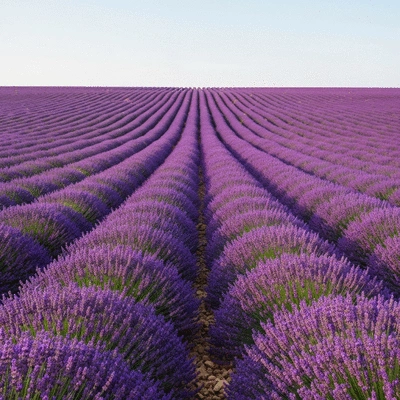
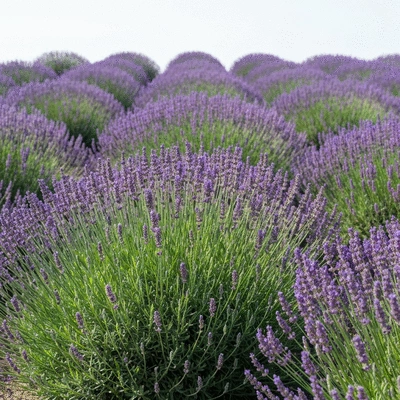
Let's dive into the wonderful world of lavender! Growing lavender can transform your garden into a fragrant oasis while providing numerous benefits. Not only does lavender offer beautiful blooms and a lovely scent, but it is also versatile for culinary uses, ornamental displays, and even as a pollinator-friendly plant that invites bees and butterflies into your garden. Plus, its resilience makes it a fantastic choice for gardeners of all skill levels!
One of the best things about lavender is that it thrives in a variety of conditions. Whether you want to use it for cooking, create a stunning garden border, or simply enjoy its calming aroma in your home, there’s a lavender variety that’s perfect for you!
These qualities not only make lavender a valuable addition to your garden but also a joy to grow. As a passionate gardener myself, I can assure you that having lavender blooming in your garden is truly rewarding! For guidance on overall plant care, refer to our essential plant care checklist.
When it comes to lavender, there are several popular varieties to consider, including English lavender, French lavender, and Spanish lavender. Each type has its unique characteristics and preferred growing conditions.
Understanding the specific needs of each lavender variety will help you choose the right plants for your local climate and growing conditions. Remember, selecting the right type can ensure a flourishing lavender garden!
Lavender doesn’t just beautify your garden; it also plays a key role in supporting pollinators. The fragrant flowers are particularly attractive to bees, which love to forage on its nectar. By planting lavender, you’ll be creating a haven for these essential creatures, helping to enhance biodiversity in your backyard.
Moreover, a garden that attracts bees and other pollinators is not only visually appealing but also contributes to the health of the surrounding ecosystem. Let’s take a moment to appreciate how our gardening choices can positively impact the environment!
Choosing quality lavender seeds is crucial for a successful gardening experience. Look for reputable seed suppliers that offer fresh seeds and check the seed packet for information on germination rates. High-quality seeds will increase your chances of successful growth, so this step is vital!
With the right seeds in hand, you're well on your way to cultivating a beautiful lavender garden!
Setting the stage for your lavender seeds is as important as selecting them. Lavender prefers well-draining soil with a pH of around 6.0 to 8.0. It's essential to maintain the right temperature, light, and moisture levels for optimum germination.
By ensuring these conditions are met, your lavender seeds will have the best possible chance to germinate and thrive!
We’d love to hear about your experiences with growing lavender! What’s your biggest challenge when it comes to cultivating this fragrant plant?
A: Growing lavender enhances your outdoor space with beautiful blooms and a lovely scent. It's versatile for culinary uses, ornamental displays, and acts as a pollinator-friendly plant, attracting bees and butterflies. Its resilience also makes it low-maintenance.
A: English lavender is ideal for cooler climates due to its hardiness and sweet fragrance. French lavender thrives in warmer regions with its pronounced aroma and longer blooming season. Spanish lavender is perfect for dry, sunny locations and can handle heat well, known for its distinctive tufted flower heads.
A: Choosing high-quality lavender seeds from reputable suppliers is crucial for successful germination. Always check seed packets for germination rates and best-by dates. Considering organic options can also benefit sustainable gardening practices.
A: Lavender seeds require a warm environment, ideally between 65°F to 70°F. They also need plenty of light, so consider using grow lights if starting indoors. The soil should be well-draining, with a pH of 6.0 to 8.0, often improved by mixing in sand or perlite.
A: The best time to transplant lavender seedlings outdoors is after all danger of frost has passed, typically in late spring (mid to late May in many regions). It's also important to harden off seedlings for about a week before transplanting to help them adjust to outdoor conditions.
Transplanting your lavender seedlings outdoors is an exciting step in your gardening journey! Timing is crucial, so it's important to plan based on your local frost dates. Generally, you’ll want to wait until all danger of frost has passed. For many gardeners, this is typically in late spring—around mid to late May in much of the United States. Ensuring the right timing will give your lavender the best chance to thrive!
Before you transplant, prepare your seedlings by gradually exposing them to outdoor conditions. This process, known as hardening off, should take about a week. Start by placing your seedlings in a sheltered location for a few hours each day, gradually increasing exposure to direct sunlight and wind.
After transplanting, monitor their growth closely. Lavender prefers well-draining soil and full sun, so choose a spot that receives at least 6 hours of sunlight daily. Trust me, your lavender will thank you!
To ensure your lavender flourishes, focus on creating the perfect outdoor environment. Lavender thrives in dry, sandy soil with excellent drainage. If your garden soil tends to hold moisture, consider amending it with sand or perlite to improve drainage. Additionally, you might want to conduct a quick soil test to check the pH level, as lavender prefers a slightly alkaline soil pH of 6.5 to 7.5.
Sunlight is another crucial factor! Lavender loves basking in sunlight, so selecting a sunny location is key. Mulching around your plants can help retain moisture and keep weeds at bay, allowing your lavender to establish itself without competition.
By paying attention to these environmental factors, you’ll create a thriving habitat for your lavender, and soon enough, you’ll be enjoying its lovely fragrance and beautiful blooms!
Here is a quick recap of the important points discussed in the article:
Final thoughts and additional content here.