Cultivate Your Best Garden!

Join Clara M. Greene's community for expert tips and seasonal guides tailored for American gardeners.

Growing and Using Tarragon Herb


Growing and Using Tarragon Herb

Posted on: 2026-05-22
By: Clara M. Greene


Did you know that growing your own herbs can elevate your culinary creations while enhancing your garden's beauty? The tarragon plant, with its aromatic leaves and rich flavor, is a perfect choice for both novice and seasoned gardeners. Here’s what you can learn about this delightful herb!

What You Will Learn

  • Tarragon, or Artemisia dracunculus, is a perennial herb known for its aromatic leaves and bushy structure.
  • There are three main types of tarragon: French, Russian, and Wild, each with unique flavors and culinary uses.
  • Tarragon enhances dishes like sauces, dressings, and poultry, making it a staple in Mediterranean and French cuisine.
  • Proper care, including well-drained soil and sunny locations, is essential for growing healthy tarragon plants.
  • You can store fresh tarragon using methods like refrigeration, freezing, or drying to enjoy its flavor all year round.

Tarragon Plant Varieties & Key Characteristics

Here’s a comparison of the three primary types of tarragon, highlighting their distinct flavor profiles and uses. Understanding these differences can help you choose the right gardening seeds for your specific needs.

French Tarragon

  • Flavor: Sweet, strong anise-like taste.
  • Aroma: Highly aromatic.
  • Culinary Use: Essential in French cuisine, sauces, poultry.
  • Popularity: Most popular for cooking.

Russian Tarragon

  • Flavor: Much milder, slightly bitter.
  • Aroma: Less aromatic.
  • Culinary Use: Salads, vinegars (often used for bulk).
  • Popularity: Less commonly used for flavor.

Wild Tarragon

  • Flavor: Stronger, more pungent than Russian.
  • Aroma: Stronger.
  • Culinary Use: Limited culinary use; sometimes in traditional dishes.
  • Popularity: Least common in modern cooking.

Understanding the Tarragon Plant: An Overview of Artemisia dracunculus

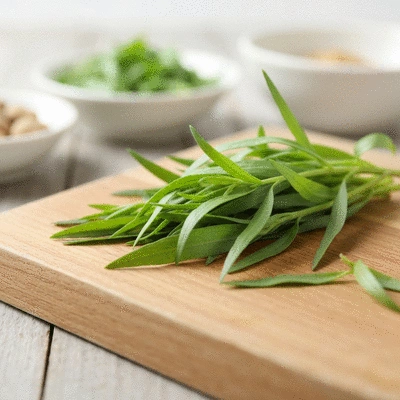
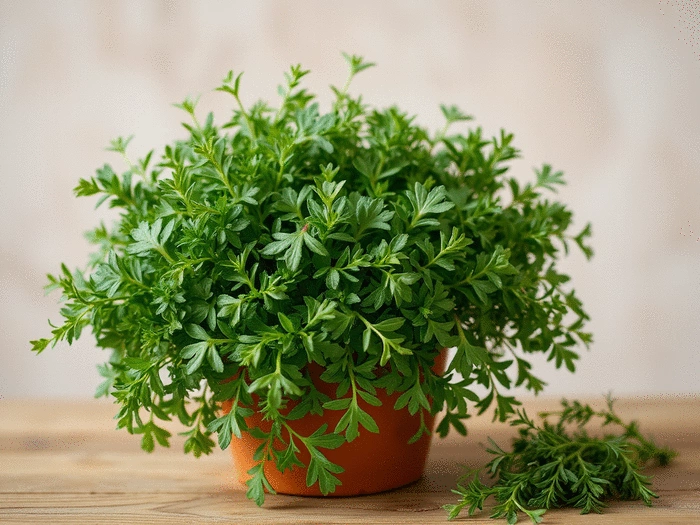
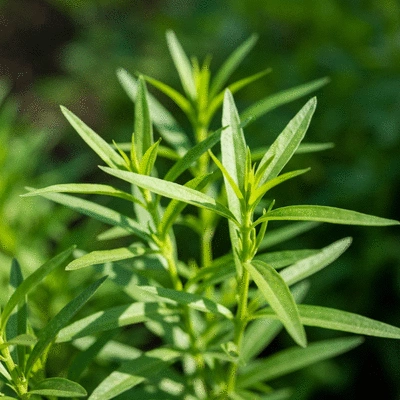
Close-up of a vibrant tarragon plant with lush green leaves in a garden setting, natural lighting, no text, no words, no typography, no labels, clean image

Let’s dive into the world of tarragon, shall we? The tarragon plant, scientifically known as Artemisia dracunculus, is a delightful herb that belongs to the Asteraceae family. Known for its distinctively aromatic leaves, tarragon has a growth habit that can vary significantly based on its type, but it generally has a bushy structure and can reach heights of up to 2-3 feet. This herb is not just a pretty face in the garden; it’s also packed with flavor and has a variety of uses in the kitchen!

As a passionate gardener at All American Gardeners, I can’t emphasize enough how rewarding it is to cultivate tarragon. It's a perennial herb, meaning it can return year after year, adding a beautiful touch to your herb garden while also providing fresh leaves for your culinary adventures!

What is the Tarragon Plant?

The tarragon plant is a unique herb with an extensive history in culinary traditions. Often recognized for its slender, lance-shaped leaves, it has a distinct flavor that sets it apart from other herbs. Tarragon is primarily cultivated for its leaves, which are used fresh or dried in various dishes. This herb thrives in well-drained soil and enjoys sunny locations, making it a great addition to any garden.

  • Botanical Classification: Artemisia dracunculus
  • Family: Asteraceae
  • Growth Habit: Bushy, reaching 2-3 feet tall

When you grow tarragon, you’ll notice its vibrant green leaves that can be harvested throughout the growing season. Its hardiness and resilience make it a favorite among gardeners, especially those looking to enhance their dishes with fresh, flavorful herbs. For more tips on maintaining healthy plants, check out our guide on plant care tips for home gardeners.

Types of Tarragon: French vs. Russian vs. Wild

When it comes to tarragon, you have a few different varieties to choose from: French, Russian, and Wild tarragon. Each type boasts its own unique flavor profile and preferred growing conditions. Let’s take a closer look:

  • French Tarragon: The most popular type for culinary uses, it has a sweet, anise-like flavor and is essential in French cuisine.
  • Russian Tarragon: This variety has a much milder flavor and can be less aromatic. It’s often used in salads and vinegars.
  • Wild Tarragon: Also known as “dragon herb,” it has a stronger flavor but is less commonly used in cooking.

Understanding these differences can help you choose the right tarragon for your garden and culinary needs. I personally love using French tarragon in my cooking, as its flavor truly elevates dishes like chicken and sauces!

The Flavor Profile of Tarragon: Enhancing Your Dishes

Tarragon’s unique flavor really shines in Mediterranean and French cuisines! Its distinct anise-like taste complements rich dishes beautifully, making it a staple herb in my kitchen. From salad dressings to marinades, tarragon adds a depth of flavor that can transform your meals.

Fresh tarragon leaves used in a culinary setting, perhaps garnishing a dish or being chopped on a cutting board, high-quality food photography, no text, no words, no typography, no labels, clean image

Here are some of the ways you can use tarragon in your cooking:

  • In Dressings: Mix tarragon with olive oil, vinegar, and mustard for a zesty vinaigrette.
  • For Poultry: Use it to season chicken or fish, infusing your protein with a fresh, aromatic flavor.
  • In Sauces: Tarragon is a key ingredient in classic sauces like Béarnaise, enhancing the richness of your dish.

Getting creative with tarragon can truly elevate your cooking, allowing you to experiment with flavors and discover new favorites. After all, who doesn’t love impressing family and friends with a touch of herbaceous goodness? For more ideas on how to incorporate herbs into your meals, consider starting your year-round herb garden.

Pro Tip

Did you know that tarragon pairs beautifully with eggs? Try adding fresh tarragon to your scrambled eggs or omelets for an aromatic twist that elevates your breakfast!

Frequently Asked Questions About the Tarragon Plant

Is Tarragon a Perennial Plant?

Yes, tarragon is a perennial herb, which means it can live for several years under the right conditions! In most regions, tarragon will emerge in the spring, die back in winter, and regrow the following year. If you're looking for a reliable herb in your garden, tarragon is a fantastic choice that will reward you with fresh leaves season after season.

When growing tarragon, make sure to provide it with well-drained soil and a sunny spot. If you live in colder climates, it's a good idea to mulch around the base in winter to protect the roots from freezing temperatures.

Can You Grow Tarragon from Seed?

While it is possible to grow tarragon from seed, it is not the most common method. Many gardeners, including myself, prefer to start with nursery plants or cuttings for better success rates. Seeds can take longer to germinate and may not produce plants that are true to the original variety. However, if you're eager to try your hand at seed propagation, here’s how:

  • Start seeds indoors 6-8 weeks before the last frost date.
  • Use a seed-starting mix and keep the soil moist but not soggy.
  • Provide plenty of light to prevent leggy growth.
  • Transplant seedlings outdoors once they have a few sets of true leaves and the weather is warm.

By following these steps, you can potentially grow your own tarragon from seed, though I highly recommend considering nursery plants for a quicker and easier start!

What Are the Best Storage Methods for Fresh Tarragon?

To keep your fresh tarragon leaves vibrant and flavorful, proper storage is key. Here are some effective methods I’ve found useful:

  • Refrigeration: Wrap the tarragon in a damp paper towel and place it in a plastic bag. This keeps the leaves hydrated and crisp.
  • Freezing: Chop the leaves and mix them with olive oil in an ice cube tray. Once frozen, transfer the cubes to a zip-top bag for easy use in cooking.
  • Drying: Hang the stems upside down in a dark, dry place until they are completely dry. Store the dried leaves in an airtight container away from sunlight.

Using these methods, you can enjoy tarragon's unique flavor long after it’s harvested! Remember, fresh is best, but these techniques can help maintain its quality.

Final Thoughts on Cultivating and Enjoying Tarragon

Why Grow Your Own Tarragon?

Growing your own tarragon is a rewarding experience! Not only does it enhance your culinary creations, but it also provides health benefits. Fresh tarragon can help with digestion and stimulate your appetite, making it a great addition to your herb garden. Plus, there's something special about stepping outside to grab a handful of fresh herbs for dinner!

Get Started with Your Own Tarragon Plant Today

Ready to dive into the world of tarragon? Whether you’re a seasoned gardener or just starting out, planting tarragon is straightforward and fulfilling! I encourage you to visit your local garden center or check out reputable online sources for seeds or nursery plants. You’ll be on your way to enjoying this incredible herb in no time!

Recap of Key Points

Here is a quick recap of the important points discussed in the article:
  • Understanding Tarragon: Tarragon (Artemisia dracunculus) is a bushy perennial herb known for its aromatic leaves and culinary uses.
  • Types of Tarragon: The main varieties include French (sweet flavor), Russian (milder flavor), and Wild (stronger flavor).
  • Culinary Uses: Tarragon enhances dishes like salads, poultry, and sauces, particularly in French and Mediterranean cuisines.
  • Growing Conditions: Tarragon thrives in well-drained soil and sunny locations, making it an easy addition to any garden.
  • Storage Methods: To keep tarragon fresh, refrigerate, freeze, or dry it using proper techniques.

Subscribe & Share
Feeding Your Bonsai Tree Correctly Feeding Your Bonsai Tree Correctly Properly fertilizing your bonsai can be the difference between a flourishing tree and a struggling o
Sustainable Lawn Care Year-Round Sustainable Lawn Care Year-Round Did you know that adopting organic lawn care practices can significantly enhance the health of both
Growing and Using Tarragon Herb Growing and Using Tarragon Herb Did you know that growing your own herbs can elevate your culinary creations while enhancing your ga
Benefits of Galvanised Garden Beds Benefits of Galvanised Garden Beds Have you ever thought about the long-term impact your gardening choices can have on both your plants
Fall Harvest and Winter Prep Fall Harvest and Winter Prep Have you considered how your fall preparations could significantly impact next year's harvest? As th
Organic Garden Fertilizer Guide Organic Garden Fertilizer Guide What if your garden could flourish without the harsh chemicals found in conventional fertilizers? By
Banner
All American Gardeners

Your premier online resource for mastering home gardening across the U.S. We empower American home gardeners with expert tips, step-by-step guides, and sustainable practices for thriving outdoor spaces.

Trusted by gardeners nationwide, our mission is to provide reliable, easy-to-follow insights backed by Clara M. Greene's extensive horticulture experience and practical advice.

Cultivate Your Garden
Recent Posts
Feeding Your Bonsai Tree Correctly Feeding Your Bonsai Tree Correctly

Properly fertilizing your bonsai can be the differ

Sustainable Lawn Care Year-Round Sustainable Lawn Care Year-Round

Did you know that adopting organic lawn care pract

Growing and Using Tarragon Herb Growing and Using Tarragon Herb

Did you know that growing your own herbs can eleva

Gardening Wisdom from All American Gardeners