Cultivate Your Best Garden!

Join Clara M. Greene's community for expert tips and seasonal guides tailored for American gardeners.

Humidity Tips for Healthy Plants


Humidity Tips for Healthy Plants

Posted on: 2026-04-30
By: Clara M. Greene


Did you know that humidity levels can make or break your indoor garden's success? Understanding your plants' needs is the first step toward achieving vibrant greenery and healthy growth.

What You Will Learn

  • The significance of humidity in the health and vitality of houseplants and tropical plants.
  • Common symptoms of low humidity, including browning leaf tips and wilting leaves.
  • Ideal humidity levels for popular houseplants like Calathea, Philodendron, and Monstera.
  • Effective DIY hacks and technology solutions to maintain optimal humidity for your plants.
  • Sustainable practices to monitor humidity and adjust care routines based on plant needs.
  • Common challenges related to humidity, such as root rot and pest infestations, and how to address them.

Humidity Needs for Thriving Houseplants

Understanding ideal humidity levels is crucial for plant health, impacting everything from leaf appearance to pest resistance. The visual below details the preferred humidity ranges for popular houseplants and key symptoms of improper humidity. For more comprehensive insights into maintaining vibrant greenery, explore our year-round plant care guide.

Ideal Humidity for Popular Plants

  • Calathea: 50-70%
  • Philodendron: 40-60%
  • Monstera: 60-80%

Symptoms of Low Humidity

  • Browning Leaf Tips: Common in dry air.
  • Wilting Leaves: Lack of vigor.
  • Pest Infestations: Spider mites thrive.

Humidity's Role in Plant Health

  • Transpiration: Vital for nutrient uptake.
  • Photosynthesis: Enhanced efficiency for growth.
  • Hydration: Optimal for nutrient absorption.

Sustainable Practices

  • Regular Monitoring: Use a hygrometer.
  • Seasonal Adjustments: Adapt methods as needed.
  • Research: Learn plant-specific needs.

Understanding Humidity Needs of Houseplants and Tropical Garden Plants

As a passionate gardener, I've learned that understanding humidity needs is crucial for keeping our houseplants and tropical garden plants thriving. Humidity levels play a significant role in how plants absorb water and nutrients. When the air is too dry, you might notice symptoms like brown leaf tips or wilting leaves. These signs indicate that your plants are struggling, and that's where we need to step in!

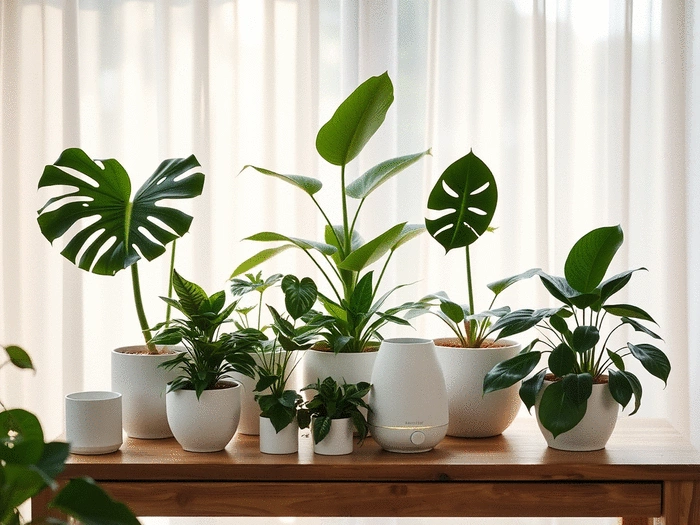
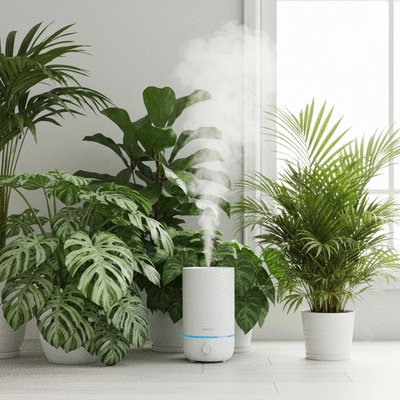
Lush tropical houseplants with a small, modern humidifier gently misting in the background, clean image, no text

Low humidity can also lead to increased susceptibility to pests and diseases. As someone who has faced these challenges, I can tell you that ensuring the right humidity can make all the difference in creating a healthy indoor garden. Let’s delve deeper into why humidity matters for plant health!

Why Humidity Matters for Plant Health

Humidity is essential for plant health because it directly impacts transpiration, the process through which plants release water vapor. This process is vital for nutrient uptake and overall plant vitality. If the air is too dry, transpiration rates can drop, leading to stress for your plants. So, what happens when humidity levels fall below the ideal range?

  • Browning leaf tips: A common symptom of low humidity.
  • Wilting leaves: Plants may appear droopy and lack vigor.
  • Pest infestations: Dry conditions can attract pests like spider mites.

By paying attention to humidity, you can prevent these issues and foster a thriving indoor garden. Remember, even plants that are typically considered hardy can benefit from a little extra humidity!

Ideal Humidity Levels for Popular Houseplants

Different plants have unique humidity preferences, and knowing these can help you create the perfect environment. Here are some popular houseplants and their ideal humidity requirements:

  • Calathea: Prefers humidity levels of 50-70% for vibrant leaves.
  • Philodendron: Thrives in 40-60% humidity, making it quite versatile.
  • Monstera: Enjoys about 60-80% humidity, reflecting its tropical origins.

Understanding the specific needs of your plants allows you to tailor your care routine. For instance, if you have a beautiful Calathea, consider placing it in a bathroom or kitchen where humidity tends to be higher. Trust me, your plants will thank you!

The Role of Humidity in Plant Growth and Photosynthesis

Humidity is not just about keeping your plants looking good; it plays a vital role in photosynthesis and growth. High humidity levels can enhance the efficiency of photosynthesis, allowing plants to absorb carbon dioxide more effectively. This, in turn, leads to stronger growth and more vibrant foliage.

When humidity is balanced, plants can maintain optimal hydration, leading to improved nutrient absorption. This creates a healthy environment where plants can thrive. So next time you're watering, don't forget to consider the humidity levels too! For more tips on nurturing your green companions, check out our guide on essential plant care checklist.

Interactive Poll: Your Experience Matters!

How do you currently manage humidity levels for your houseplants? Share your preferred method:

Summarizing Key Humidity Hacks for Thriving Plants

As we wrap up our discussion on humidity, it's important to recap some effective DIY hacks and technology solutions that can help maintain optimal humidity for your houseplants and tropical plants. Remember, keeping your plants happy and healthy often comes down to just the right amount of moisture in the air!

We've covered a variety of methods, including creating a humid environment through natural means and utilizing technology for precise monitoring. It's all about finding what works best for your unique plant collection!

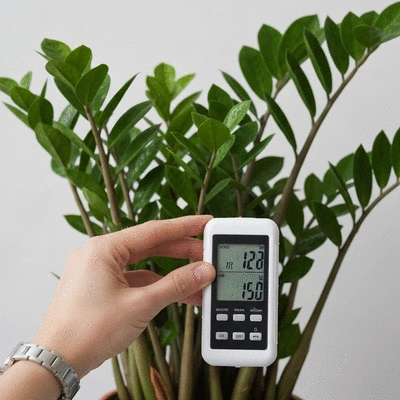
Close-up of a hand adjusting a digital hygrometer next to a healthy houseplant, bright natural light, no text

Encouraging Sustainable Practices for Plant Enthusiasts

Regular monitoring of humidity levels is crucial for success in your indoor garden. Adapting your methods based on seasonal changes and the specific needs of your plants can greatly enhance their health and longevity. Here are some practices to keep in mind:

  • Check humidity levels regularly: Use a hygrometer to keep tabs on moisture in the air.
  • Adjust your methods: Be flexible and change your humidity hacks seasonally.
  • Learn your plant's preferences: Different plants have varying humidity needs—take the time to research!

By embracing these sustainable practices, you not only support your plants but also contribute to a more eco-friendly gardening approach. After all, every little bit helps!

Addressing Common Plant Care Challenges Related to Humidity

Improper humidity levels can lead to several challenges in plant care, such as root rot, unhealthy leaf humidity, and pest infestations. Let's take a closer look at these issues:

  • Root rot: Often caused by overwatering and high humidity, monitoring moisture levels is key.
  • Leaf humidity: Low humidity can cause crispy leaf tips, especially in plants like Calathea that thrive in moist air.
  • Pest management: Pests like spider mites love dry conditions, so maintaining proper humidity can help in prevention.

By addressing these common challenges, we can ensure that our plants thrive in the best conditions possible. Remember, a little attention goes a long way! For further assistance in dealing with common plant issues, refer to our guide on fixing common plant issues.

Engaging with Your Plant Care Journey

I invite you to share your own humidity hacks or experiences with your houseplants! At All American Gardeners, we believe that exchanging tips and stories fosters a sense of community among plant enthusiasts. Let's learn from each other and grow together!

Frequently Asked Questions About Plant Humidity

To enhance your experience and provide quick answers, here are some common questions about plant humidity:

  • What are the ideal humidity levels for most houseplants? Most houseplants thrive in humidity levels between 40-60%, though specific tropical plants may prefer higher ranges up to 80%.
  • How can I tell if my plant is suffering from low humidity? Common symptoms include browning leaf tips, wilting leaves, and increased susceptibility to pests like spider mites.
  • What are some effective DIY ways to increase humidity for my plants? Grouping plants together, placing them on pebble trays filled with water, and regular misting can help increase localized humidity.
  • Is a humidifier necessary for houseplants? For plants with very high humidity needs (e.g., Calathea, Monstera), a humidifier can be very beneficial, especially in dry climates or during winter.
  • Can too much humidity be harmful to plants? Yes, excessively high humidity combined with poor air circulation can lead to fungal diseases and root rot.

Feel free to reach out with any other questions you might have. Together, we can nurture our green spaces and enjoy the wonders of gardening! To help you select the best plants for your indoor garden, consider reading our guide on choosing the right gardening seeds.

Recap of Key Points

Here is a quick recap of the important points discussed in the article:
  • Understanding humidity is vital for the health of houseplants and tropical garden plants.
  • Ideal humidity levels vary among popular houseplants, such as Calathea (50-70%), Philodendron (40-60%), and Monstera (60-80%).
  • Regularly monitor humidity levels with a hygrometer to prevent issues like browning leaf tips and pest infestations.
  • Adapt humidity care methods based on seasonal changes and specific plant needs.
  • Implement DIY hacks and technology solutions to maintain optimal humidity for thriving plants.

Subscribe & Share
Growing Lemon Thyme at Home Growing Lemon Thyme at Home Have you ever considered how a single herb can transform your culinary experiences and beautify your
Understanding Hydroponic Tower Gardening Understanding Hydroponic Tower Gardening Have you ever considered how a simple structure could transform your gardening experience? Hydroponi
Heirloom Seeds for Your Garden Heirloom Seeds for Your Garden What if your garden could tell a story? Heirloom seeds not only flourish under the sun but also carr
Eco-Friendly Lawn Fertilizer Options Eco-Friendly Lawn Fertilizer Options When it comes to nourishing your lawn, the switch to organic fertilizers might be the most significa
Mulch for Healthy Plants Mulch for Healthy Plants Did you know that mulching not only enhances the beauty of your garden but also plays a pivotal role
Easy Perennials for Your Zone Easy Perennials for Your Zone Have you ever considered how the right plants can transform your garden into a lush paradise? Unders
Banner
All American Gardeners

Your premier online resource for mastering home gardening across the U.S. We empower American home gardeners with expert tips, step-by-step guides, and sustainable practices for thriving outdoor spaces.

Trusted by gardeners nationwide, our mission is to provide reliable, easy-to-follow insights backed by Clara M. Greene's extensive horticulture experience and practical advice.

Cultivate Your Garden
Recent Posts
Growing Lemon Thyme at Home Growing Lemon Thyme at Home

Have you ever considered how a single herb can tra

Understanding Hydroponic Tower Gardening Understanding Hydroponic Tower Gardening

Have you ever considered how a simple structure co

Heirloom Seeds for Your Garden Heirloom Seeds for Your Garden

What if your garden could tell a story? Heirloom s

Gardening Wisdom from All American Gardeners