Have you ever considered how the integration of nature into urban architecture can enhance both aesthetics and well-being? Green walls, or living walls, are not just beautiful; they offer numerous environmental benefits worth exploring.
What You Will Learn
Green walls can be categorized into soil-based, hydroponic, and modular systems, offering versatility in urban settings.
These vertical gardens contribute to air purification, thermal insulation, and aesthetic enhancement of buildings.
Green walls create unique microclimates that help protect plants from harsh environmental conditions.
Biophilic design, which includes green walls, has been linked to improved mood, increased productivity, and reduced stress levels.
Real-world examples highlight the effectiveness of green walls in urban settings, from enhancing commercial spaces to promoting community gardens.
Green Wall Benefits and Applications
Delve into the numerous advantages and diverse applications of green walls across various settings, from urban environments to commercial spaces and community initiatives. For those interested in maximizing their growing space, exploring vertical garden benefits can provide further insights into efficient cultivation techniques.
Green Wall Types & Uses
Types
Soil-based
Hydroponic
Modular systems
Uses
Aesthetic enhancement
Air purification
Thermal insulation
(Source: Defining Green Walls and Living Walls)
Biophilic Design Benefits
Improved mood
Increased productivity
Reduced stress levels
(Source: Exploring Biophilic Design)
Innovative Urban Applications
Edible Garden, Brooklyn, NY (local food production)
Grove at Grand Bay, Miami, FL (temperature regulation)
CA Academy of Sciences (air quality, habitat)
(Source: Case Studies)
Commercial Space Enhancements
Amazon Spheres, Seattle, WA (rainforest experience)
W Hotels (welcoming lobbies)
Swissôtel Chicago (insulation, noise reduction)
(Source: Case Studies)
Community Garden Initiatives
Los Angeles Community Gardens (maximize space)
NYC GreenThumb Program (transform vacant lots)
Chicago's City Farm (teaching tool, food source)
(Source: Case Studies)
Understanding Green Walls: What They Are and How They Work
Have you ever walked by a building adorned with lush greenery and felt a sense of peace wash over you? That's the magic of green walls and living walls! These stunning vertical gardens not only beautify urban landscapes but also offer a host of environmental benefits. Let’s dive deep into what these remarkable creations are and how they function.
Defining Green Walls and Living Walls
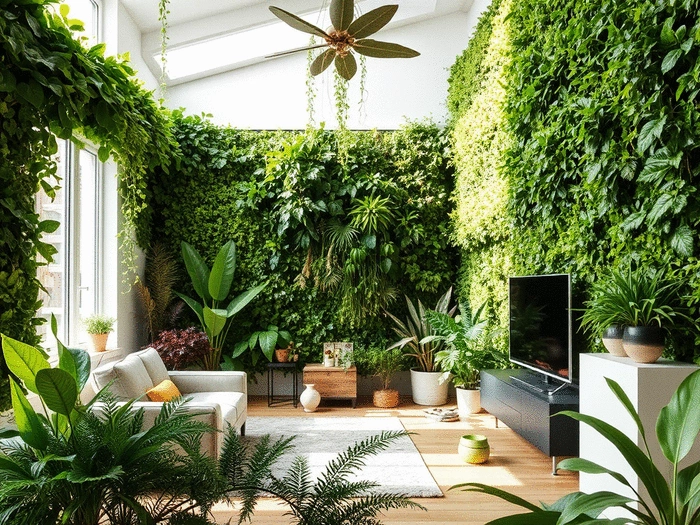
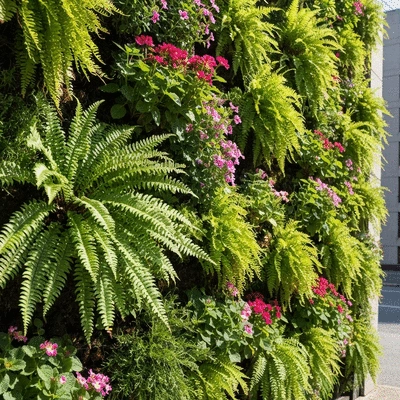
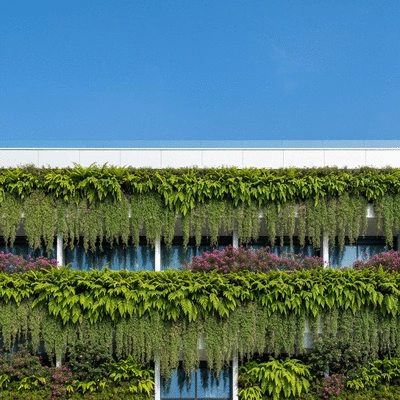
Green walls, often referred to as living walls, are vertical structures covered with vegetation. They can be freestanding or attached to building facades, providing stunning visual elements to any environment. The plants can be grown in various ways, including soil-based or hydroponic systems, making them adaptable to different settings.
Types of Green Walls: Soil-based, hydroponic, and modular systems.
Uses: Aesthetic enhancement, air purification, and thermal insulation.
Plant Selection: Choices range from ferns and succulents to flowering plants.
These walls not only serve as functional garden spaces but also contribute significantly to the surrounding ecosystem. By choosing the right plants, you can create a vibrant living wall that thrives in your local climate!
The Science Behind Vertical Gardens
Now, what makes these green walls so effective? The secret lies in their ability to utilize vertical gardening techniques that optimize space while promoting plant health. Vertical gardens are designed to mimic natural environments, allowing plants to flourish in their unique ways.
Microclimates: Each wall creates its own microclimate, protecting plants from harsh conditions.
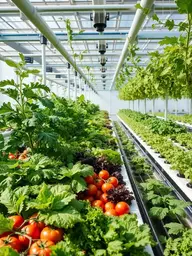
Hydration Systems: Automated irrigation systems ensure that plants receive the right amount of water.
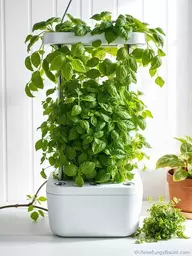
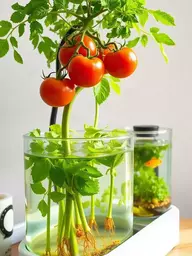
Soil-less Growth: Many living walls utilize hydroponic techniques for efficient growth. For those new to this, a beginner's guide to starting hydroponics can be incredibly helpful.
As a gardening enthusiast, I find it fascinating how these systems replicate the essence of natural growth while enhancing our urban environments. They are a true testament to how we can blend nature with architecture!
Exploring Biophilic Design: Integrating Nature into Architecture
Biophilic design is all about connecting people with nature, and green walls are a perfect example of this approach. They create spaces that not only look beautiful but also enhance our well-being. As we strive to incorporate more greenery into our daily lives, green walls can help achieve that balance.
Benefits of Biophilic Design: Improved mood, increased productivity, and reduced stress levels.
Integration Techniques: Incorporating natural elements like light, water, and plants into architectural design.
Examples: Offices, schools, and healthcare facilities using green walls to enhance the environment.
As we move forward in creating healthier spaces, it’s clear that integrating nature through innovative solutions like green walls can transform not only our buildings but also our lives. In my journey with All American Gardeners, I’ve seen firsthand how these designs can inspire both creativity and connection!
Pro Tip
To create a thriving green wall, consider choosing a mix of native plants and drought-resistant species. This not only enhances biodiversity but also ensures that your living wall can withstand local climate conditions with minimal maintenance!
Case Studies: Real-World Examples of Successful Green Walls
Green walls have become a beacon of innovation in urban gardening, showcasing how we can integrate nature into our surroundings. At All American Gardeners, I’m always thrilled to share examples that highlight the incredible impact of these living structures. From commercial spaces to community initiatives, let’s explore some inspiring case studies that demonstrate the potential of green walls in enhancing both aesthetics and functionality!
Innovative Applications in Urban Settings
Cities across the United States are embracing green walls as a solution to urban challenges. Here are some standout examples:
The Edible Garden in Brooklyn, NY: This vibrant green wall features various herbs and vegetables, promoting local food production right in the heart of the city.
The Grove at Grand Bay in Miami, FL: This luxury condominium showcases a stunning vertical garden that not only beautifies the building but also helps regulate temperature.
Green Wall at the California Academy of Sciences: An impressive living wall that attracts visitors while improving air quality and providing a natural habitat for local wildlife.
These projects illustrate how green walls contribute not just to the beauty of urban landscapes but also to sustainability and ecological health in our cities. The integration of plants into architectural designs is reshaping our urban experience!
Commercial Spaces: Enhancing Aesthetics and Functionality
Businesses are increasingly turning to green walls to create inviting environments for customers and employees alike. Here are a few noteworthy installations:
Amazon Spheres in Seattle, WA: This stunning glass structure features an indoor green wall that brings a piece of the rainforest to the workplace.
W Hotels in various locations: Many W Hotels have implemented green walls in their lobbies, creating a lush and welcoming atmosphere for guests.
Swissôtel Chicago: Their outdoor green wall not only enhances the view but also provides insulation and noise reduction.
The incorporation of green walls in commercial spaces not only boosts aesthetic appeal but can also enhance employee satisfaction and productivity. It’s a win-win!
Community Gardens: Promoting Green Spaces through Collaboration
Community gardens are essential for fostering collaboration and beautifying neighborhoods. Green walls can play a pivotal role in these spaces:
Los Angeles Community Gardens: Various community gardens in LA have embraced green walls to maximize space and grow more plants.
New York City GreenThumb Program: This initiative encourages communities to create vertical gardens, transforming vacant lots into vibrant green spaces.
Chicago’s City Farm: This urban farm features a green wall that serves as both a teaching tool and a food source for the community.
These examples show how green walls can not only beautify but also provide educational opportunities and foster community spirit. I believe that when communities work together, they can create stunning green spaces that benefit everyone. To further enhance community greening efforts, understanding the benefits of raised garden beds can provide additional versatile options for urban planting.
Frequently Asked Questions (FAQs) about Green Walls
What are green walls and living walls?
Green walls, also known as living walls, are vertical structures covered with vegetation. They can be freestanding or attached to buildings and use various systems like soil-based or hydroponic methods to grow plants.
What are the main benefits of green walls?
Green walls offer numerous benefits, including aesthetic enhancement, air purification, thermal insulation, and the creation of unique microclimates. They also contribute to improved mood, increased productivity, and reduced stress levels through biophilic design.
What types of green walls exist?
There are primarily three types: soil-based, hydroponic, and modular systems. Each offers different advantages in terms of installation, maintenance, and plant selection.
How do green walls work?
Green walls utilize vertical gardening techniques, often incorporating automated irrigation systems to ensure plants receive adequate water. Many also use hydroponic methods for soil-less growth, allowing plants to thrive in a vertical orientation.
Where can green walls be applied?
Green walls are versatile and can be applied in various settings, including urban environments (e.g., public gardens, building facades), commercial spaces (e.g., offices, hotels), and community initiatives (e.g., community gardens, urban farms).
Recap of Key Points
Here is a quick recap of the important points discussed in the article:
Definition: Green walls, or living walls, are vertical structures covered with vegetation, enhancing urban aesthetics and offering environmental benefits.
Types: Green walls can be soil-based, hydroponic, or modular, providing flexibility in design and plant selection.
Environmental Impact: They improve air quality, provide insulation, and create microclimates that support plant health.
Biophilic Design: Integrating green walls into architecture promotes well-being, improves mood, and increases productivity.
Real-World Applications: Successful green walls are implemented in various urban settings, commercial spaces, and community gardens, showcasing their versatility and effectiveness.
Subscribe & Share
2026-08-28
Growing Herbs with Hydroponics
Why settle for store-bought herbs when you can grow your own at home, in any space? Hydroponic garde
2026-08-27
Growing Sweet Corn from Seeds
Ready to transform your gardening experience? Selecting the right sweet corn seeds can make all the
Growing Your Own Garlic Bulbs
As you prepare to embark on your journey of growing garlic, consider this: garlic cultivation isn't
All American Gardeners
Your premier online resource for mastering home gardening across the U.S. We empower American home gardeners with expert tips, step-by-step guides, and sustainable practices for thriving outdoor spaces.
Trusted by gardeners nationwide, our mission is to provide reliable, easy-to-follow insights backed by Clara M. Greene's extensive horticulture experience and practical advice.