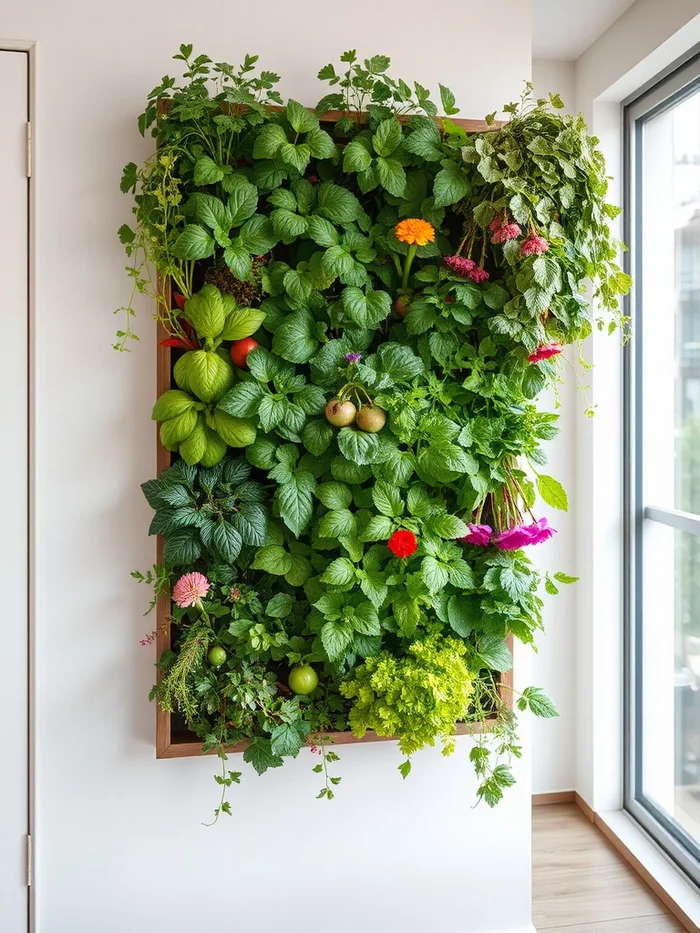
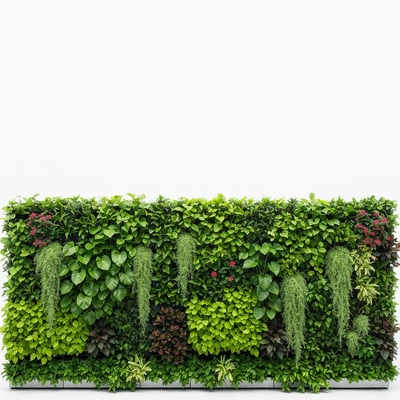
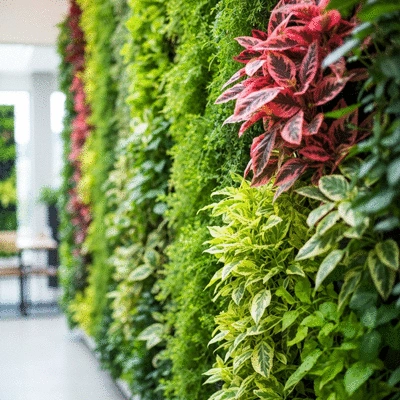
Transforming your small space into a green oasis is not just a dream anymore! With innovative vertical raised gardens, you can maximize your gardening potential, even in limited areas. Whether you're living in an apartment or have a small backyard, these gardens can help you grow a variety of plants while enhancing the beauty of your space.
What You Will Learn
Vertical raised gardens utilize vertical space, allowing for more plants in a compact area.
These gardens improve air circulation and sunlight exposure, promoting healthier plant growth.
Accessibility is enhanced, making it easier to maintain and harvest without straining your back.
Different types of vertical garden systems, including freestanding towers and wall-mounted units, cater to various spaces.
Choosing the right materials, such as wood or metal, can impact the durability and aesthetics of your garden.
Hydroponic and aeroponic methods offer advanced options for maximizing growth and minimizing water usage.
Essential maintenance tips ensure your vertical garden thrives and produces abundant harvests.
Community gardening fosters connections while sharing resources and knowledge with fellow gardeners.
Vertical Garden Types & Comparisons
Understanding the variety of vertical garden types and their characteristics is key to choosing the right system for your space and needs. Below is a comparison of common types, popular models, and the decision-making factors for DIY vs. buying. For more insights into how these systems can benefit your home, explore the diverse benefits of vertical gardening.
Types of Vertical Gardens
**Freestanding Towers:** Great for balconies; easy access.
**Wall-Mounted Units:** Ideal for small spaces; decorative.
The choice depends on your budget, time, and desired level of customization.
Plant Compatibility & Methods
Best Plants for Vertical Growth
Herbs (Basil, Thyme)
Vegetables (Strawberries, Peppers)
Flowering plants (Petunias)
Advanced Methods
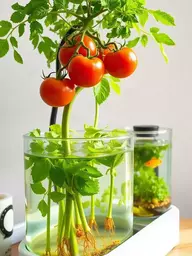
Hydroponics (nutrient-rich water)
Aeroponics (misted nutrients)
Transforming Small Spaces with Vertical Raised Gardens
Have you ever dreamed of having a lush garden but thought your tiny apartment or limited backyard space would hold you back? Well, vertical raised gardens may be the perfect solution! These innovative gardening systems allow us to maximize our growing potential, even when space is at a premium. Let’s explore how these gardens work, their benefits, and the various options available to help you get started!
Vertical raised gardens consist of various tiers or levels that allow plants to grow upwards rather than outwards. This structure not only saves space but also enhances air circulation and sunlight exposure for your plants. By utilizing vertical gardening techniques, you can create a vibrant green oasis right in your own home!
Understanding Vertical Raised Gardens: What They Are and How They Work
The beauty of vertical raised gardens lies in their adaptability. They can be built using different materials and designs, making it easy for anyone to find a solution that fits their space and aesthetic. These systems typically involve planting in containers stacked vertically, allowing for a variety of plants to thrive in a compact environment. To ensure your plants are always thriving, check out our essential plant care checklist.
Space Efficiency: Utilize vertical space to grow more plants in a limited area.
Accessibility: Easier to maintain and harvest, reducing strain on your back and knees!
Enhanced Aesthetics: Create a stunning visual display with beautiful layers of greenery.
As urban living becomes more prevalent, vertical gardening offers a practical way to bring nature into our lives, providing us with fresh herbs, vegetables, and flowers right outside our door.
The Benefits of Vertical Gardening for Urban Living
Urban environments often come with space constraints, making it challenging to cultivate a traditional garden. Vertical raised gardens come to the rescue by maximizing growing space while minimizing the footprint. Not only do they make gardening accessible for those with limited outdoor areas, but they also serve an important environmental purpose.
By incorporating vertical gardens, urban dwellers can:
Improve air quality through plant absorption of pollutants.
Reduce urban heat effects by providing green cover.
Encourage biodiversity by attracting pollinators.
So why not transform that small balcony or patio into a green retreat? At All American Gardeners, we’re all about empowering you to take advantage of these modern gardening methods!
Comparing Vertical Raised Gardens to Traditional Gardening
When we think about traditional gardening, we often envision sprawling plots of land with rows of plants. However, vertical gardens offer a unique approach that can hold their own against traditional methods:
Space Utilization: Vertical gardens use less horizontal space, making them ideal for balconies or small yards.
Easier Maintenance: With plants at eye level, it’s easier to manage them without excessive bending or kneeling.
Faster Growth: Improved air circulation and sunlight exposure often result in quicker growth rates.
While traditional gardens have their charm, vertical raised gardens present innovative solutions for those looking to create beautiful green spaces in urban settings. Through my journey in gardening, I’ve seen firsthand how these methods can enhance our connection to nature, no matter the space constraints!
Navigating Your Options: Types of Vertical Raised Garden Beds
Now that we’ve established the importance of vertical gardening, let’s dive into the various types of vertical raised garden beds available. Choosing the right one can make all the difference in your gardening success!
Freestanding Towers: These upright systems are perfect for balconies, allowing easy access to various plants.
Wall-Mounted Units: Great for small spaces, these attach to walls and can be filled with herbs or flowers.
Stacked Planters: Versatile and modular, these can be adapted to fit different spaces and designs.
With so many options, you’re sure to find a vertical raised garden that suits your style and needs. Stay tuned as we explore the materials and configurations in more detail!
Exploring Different Materials: Wood, Metal, and More
When choosing a vertical raised garden, the material you select can greatly impact its durability, aesthetics, and functionality. Here’s a quick rundown of popular materials:
Wood: A classic choice, offering natural aesthetics and flexibility in design.
Metal: Typically more durable and resistant to pests, metal structures can add a modern touch.
Plastic: Lightweight and easy to assemble, these are perfect for those on the go!
Each material has its own advantages, so consider your gardening goals and the overall look you want to achieve when making your selection. Don’t hesitate to reach out if you need help deciding!
Understanding Tier Configurations and Plant Capacity
The tier configuration of your vertical garden will determine how many plants you can grow and the types of plants that suit your setup. Here are some common configurations:
Single Tier: Ideal for small spaces, perfect for herbs or flowers.
Multi-Tier: Great for vegetables, allowing different plant types to thrive together.
Vertical Wall Planters: Excellent for maximizing wall space, enabling climbing plants to flourish!
By understanding these configurations, you can design a vertical raised garden that meets your specific needs, whether it’s for culinary herbs or beautiful blooms!
Discovering Vertical Garden Kits for Easy Setup
If you’re looking for a hassle-free way to start your vertical gardening journey, consider investing in a DIY kit. Many kits come with everything you need to get started:
Pre-cut materials for easy assembly.
Guides on plant selection and care.
In some cases, even seeds and soil are included!
These kits can be a fantastic option for beginner gardeners or those who want to dive in quickly without spending too much time on planning. At All American Gardeners, we love seeing others embrace the joys of gardening!
Choosing the Right Vertical Garden Tower for Your Needs
As we continue our exploration, let’s talk about crucial factors to consider when choosing the right vertical garden tower that fits your specific needs.
Size: Ensure it fits your space, whether it’s a balcony, patio, or backyard!
Plant Capacity: Choose a design with enough tiers to accommodate your desired plant varieties.
Ease of Maintenance: Look for features that make watering and harvesting simple.
Taking these factors into account will help you find the perfect vertical garden that not only enhances your space but also supports your gardening ambitions!
Key Features to Look For: Self-Watering Systems and Durability
When selecting a vertical garden tower, certain features can elevate your gardening experience significantly. Here’s what to prioritize:
Self-Watering Systems: These help reduce the frequency of watering while ensuring your plants get the moisture they need!
Durability: Look for materials that withstand the elements, especially if placing outdoors.
Customizability: Some towers allow you to add or remove tiers as needed, providing flexibility.
Focusing on these key features can make your vertical gardening experience both enjoyable and productive!
Plant Compatibility: Best Plants for Vertical Growth
Not all plants thrive in vertical gardens, so it’s essential to choose varieties that excel in these configurations. Here’s a list of some of the best plants to grow vertically:
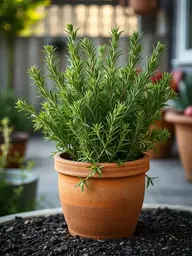
Herbs: Basil, thyme, and mint are fantastic options for tiered gardens.
Vegetables: Strawberries, peppers, and cherry tomatoes can thrive in vertical setups.
Flowering Plants: Petunias and nasturtiums add vibrant color while climbing upwards.
By selecting plants suited for vertical growth, you can ensure a thriving garden that’s beautiful and productive!
Integrating Hydroponic and Aeroponic Gardening Methods
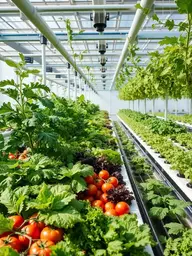
For a more advanced approach, consider integrating hydroponic or aeroponic methods into your vertical garden. These systems can boost plant growth and reduce water usage. Here are the basics:
Hydroponics: Growing plants in nutrient-rich water instead of soil.
Aeroponics: Plants are suspended in the air and misted with nutrients, promoting faster growth.
Space Efficiency: Both methods maximize space and can lead to higher yields!
If you’re ready to take your gardening to the next level, these innovative techniques can be game-changers!
Pros and Cons of Buying vs. DIY Vertical Raised Gardens
As we wrap up this section, let’s weigh the pros and cons of buying a pre-made vertical garden versus building your own. This can be a crucial decision for many gardeners!
Buying: Quicker setup, often includes features that make care easier.
DIY: Customizable to your space and preferences, often more cost-effective.
Time Consideration: Buying saves time, while DIY can be a fun project!
Ultimately, the choice depends on your preferences and how much time and effort you’re willing to invest in your gardening journey. I’ve tried both methods, and each has its unique rewards! For those interested in a hands-on approach, consider our tips for building garden beds.
Evaluating Cost and Time: Is DIY Worth It?
When considering a DIY vertical raised garden, it’s essential to evaluate both the cost and time involved. Here’s a quick checklist to help you decide:
Budget: Determine your overall budget for materials and supplies.
Time Investment: Assess how much time you can dedicate to building your garden.
Skills Required: Think about whether you have the skills needed for construction.
For some, the satisfaction of building a garden can outweigh the convenience of purchasing one. Remember, the journey of gardening is what makes it all worthwhile!
Step-by-Step Guide: How to Build Your Own Vertical Raised Garden
If you decide to go the DIY route, follow these simple steps to create your vertical raised garden:
Gather your materials: wood, planter boxes, and soil.
Construct the base and tier frames according to your design.
Fill each tier with high-quality soil.
Plant your selected herbs or flowers!
Water and maintain as needed—enjoy your gardening journey!
This hands-on project can be rewarding and allow you to tailor your garden exactly how you envision it!
Utilizing Mobile Vertical Gardens for Flexibility
Mobile vertical gardens can add an exciting dimension to your gardening experience. Here’s why they’re worth considering:
Portability: Easily move your garden to different locations for optimal sunlight.
Adaptability: Perfect for renters or those wanting to rearrange their outdoor spaces.
Seasonal Adjustments: Move indoors during winter months or bad weather!
By opting for a mobile solution, you can fully embrace the joy of gardening, no matter where life takes you!
Essential Maintenance Tips for Vertical Raised Gardens
Just like any garden, vertical raised gardens require regular maintenance to flourish. Here are some essential tips to keep in mind:
Watering: Keep a consistent watering schedule, especially in warmer months.
Soil Management: Regularly check soil quality and nutrients to support plant health.
Pest Monitoring: Watch for any signs of pests or diseases and act quickly.
With a little attention, your vertical garden can thrive and provide you with bountiful harvests!
Soil Management and Nutrient Needs for Vertical Growing
Soil management is vital for vertical gardening success. Here are some tips to ensure your plants get the nutrients they need:
Quality Soil: Use a mix designed for container gardening.
Nutrient Supplements: Apply organic fertilizers to boost growth.
Regular Testing: Check pH and nutrient levels periodically.
By prioritizing soil health, you’ll help your vertical garden reach its full potential!
Pest Control Strategies for Vertical Garden Systems
Keeping pests at bay is crucial for maintaining a healthy vertical garden. Here are some effective strategies:
Regular Inspections: Check for pests weekly to catch any issues early.
Natural Deterrents: Use companion planting or natural sprays to ward off pests.
Encouraging Beneficial Insects: Attract ladybugs and lacewings to help control pest populations.
With proactive pest management, you’ll enjoy a thriving garden without the worry!
Incorporating Smart Gardening Tools for Better Care
Utilizing smart gardening tools can greatly enhance your vertical gardening experience. Here are some tools to consider:
Moisture Sensors: These devices help you monitor soil moisture levels accurately.
Automated Watering Systems: Save time and ensure consistent watering.
Gardening Apps: Use these for reminders and tracking plant growth.
Embracing technology can make your gardening journey more manageable and enjoyable!
Winterization: Preparing Your Vertical Garden for Cold Weather
As winter approaches, it’s essential to prepare your vertical garden for the colder months ahead. Here are some ways to ensure your plants stay safe:
Insulate Plants: Use fabric covers or burlap to protect against frost.
Move Indoors: Bring potted plants inside if possible to shield them from the elements.
Choose Hardy Plants: Opt for plants that can withstand colder temperatures!
Taking these steps can help preserve your garden’s health and ensure it thrives in the seasons to come.
Protecting Your Plants and Structure During Winter
Consider both your plants and the structural integrity of your vertical garden during winterization. Here are a few additional tips:
Drainage: Ensure proper drainage to prevent water accumulation that can freeze and damage your structure.
Support Structures: Reinforce any weak points to withstand winter weather.
Regular Checks: Monitor your garden regularly for any signs of damage or stress.
By taking protective measures, you can extend the life of your vertical garden and enjoy its beauty year-round!
Choosing the Right Location for Year-Round Growth
The location of your vertical garden plays a significant role in its success throughout the year. Here’s where to focus:
Sunlight: Ensure your garden receives adequate sunlight based on the plants you choose.
Protection from Wind: Position your garden where it’s shielded from harsh winds.
Accessibility: Choose a convenient location for easy maintenance and harvesting!
By strategically placing your vertical garden, you can help it thrive through the changing seasons!
Visual Comparison: Top Vertical Raised Garden Products
Before we wrap up this section, let’s take a look at some popular vertical raised garden products. Understanding your options can help you make informed decisions!
Garden Tower 2: Features self-watering and composter capabilities, perfect for smaller spaces.
GreenStalk Vertical Planter: Sturdy tiered system that promotes efficient water usage.
Vego Garden Bed: Made from durable, recycled materials with customizable height and tiers.
These products have been well-reviewed and can help you kickstart your vertical gardening adventure!
Comparison Table of Popular Models: Features, Prices, and Reviews
Product Name
Features
Price
Customer Rating
Garden Tower 2
Self-watering, composting
$199
4.5/5
GreenStalk Vertical Planter
Stackable, efficient water usage
$139
4.7/5
Vego Garden Bed
Recycled materials, customizable
$129
4.8/5
This table provides a clear overview of some popular models, helping you compare their features and decide what’s best for you!
Real User Testimonials: What Gardeners Are Saying
Let’s hear from some fellow gardeners who have embraced vertical gardening:
Mary S.: “I love my GreenStalk planter! It’s transformed my small patio into a lush oasis.”
James T.: “Building my own vertical garden was a fun project, and now I have fresh herbs at my fingertips!”
Laura B.: “The Garden Tower 2 has been a game-changer for my gardening routine!”
These testimonials showcase the many ways vertical gardening can enhance our lives and help us cultivate our passion for plants!
Pro Tip
To maximize your vertical garden's potential, consider companion planting. Combining plants that benefit each other can improve growth and deter pests. For example, pairing basil with tomatoes can enhance both flavor and yield!
Frequently Asked Questions About Vertical Raised Gardens
What is a vertical raised garden?
A vertical raised garden is an innovative gardening system that utilizes vertical space, allowing plants to grow upwards in stacked tiers or wall-mounted units. This maximizes plant capacity in limited areas like balconies or small backyards.
What are the main benefits of vertical gardening?
Key benefits include space efficiency, improved air circulation and sunlight exposure for healthier plants, enhanced accessibility for easier maintenance and harvesting, and aesthetic appeal, transforming small spaces into vibrant green displays.
What types of vertical gardens are available?
Common types include freestanding towers, ideal for balconies; wall-mounted units, perfect for small spaces and decorative purposes; and stacked planters, which are versatile and modular for various designs and plant capacities.
What materials are commonly used for vertical garden beds?
Popular materials include wood for its natural aesthetics, metal for durability and modern appeal, and plastic for its lightweight and easy-to-assemble properties. The choice depends on durability, budget, and desired look.
Can I integrate advanced gardening methods like hydroponics or aeroponics into a vertical garden?
Yes, advanced methods like hydroponics (growing plants in nutrient-rich water) and aeroponics (misting plant roots with nutrients) can be integrated. These methods boost growth, reduce water usage, and maximize space efficiency.
What are some essential maintenance tips for vertical gardens?
Essential maintenance includes consistent watering, regular soil quality and nutrient checks (or nutrient solution management for hydroponics), and proactive pest monitoring to ensure plants stay healthy and productive.
Which plants are best suited for vertical growth?
Herbs like basil, thyme, and mint thrive in tiered gardens. Vegetables such as strawberries, peppers, and cherry tomatoes also do well. Flowering plants like petunias and nasturtiums add vibrant color and climb effectively.
Is it better to buy a vertical garden kit or build one myself?
Buying offers quicker setup and often includes convenient features. DIY provides customization, can be more cost-effective, and offers the satisfaction of a personal project. The best choice depends on your budget, time, and desired level of involvement.
Summarizing the Benefits of Vertical Raised Gardens
Vertical raised gardens are not just a trend; they're a game-changer for anyone looking to maximize their gardening potential, especially in limited spaces. Whether you live in an apartment or have a small backyard, these gardens can help you grow a variety of plants without sacrificing precious ground space. Here are some key benefits:
Space Efficiency: Vertical gardening allows you to utilize vertical space, accommodating a greater number of plants in a smaller footprint.
Improved Air Circulation: Plants grown vertically typically enjoy better airflow, reducing the risk of mold and pests.
Aesthetic Appeal: Vertical gardens can serve as beautiful focal points in your home or garden, adding vibrancy and life!
Accessibility: Raised structures make it easier to maintain your plants without excessive bending or kneeling.
These advantages make vertical gardening an appealing option for urban gardeners looking to maximize their yield while staying connected to nature. Are you ready to embrace this innovative approach to gardening?
Final Thoughts on Choosing the Right Vertical Raised Garden
As you consider which vertical raised garden suits your needs, think about your available space, the types of plants you wish to grow, and your maintenance preferences. You might want to start with something simple, like a tiered planter, or dive into more complex systems that integrate self-watering features. Remember, investing in a garden that fits your lifestyle will help you cultivate joy and productivity in your green space!
At All American Gardeners, we’re here to help guide you through the selection process. I encourage you to explore different options and find what resonates with you, as the right garden can transform not just your space but your gardening experience altogether!
Encouragement to Start Your Vertical Gardening Journey Today
Now is the perfect time to begin your vertical gardening journey! With the right knowledge and tools, you can cultivate a thriving garden that not only beautifies your living area but also provides fresh produce right at your fingertips. Imagine stepping out onto your balcony or patio, picking a ripe tomato or fragrant herb for your dinner!
So roll up your sleeves, gather your materials, and let’s get started! Whether you choose to purchase a ready-made vertical garden or take on a DIY project, every step you take brings you closer to enjoying the fruits of your labor.
Exploring Community Gardening and its Role in Urban Spaces
Community gardening is a fantastic way to connect with fellow gardening enthusiasts while learning the ins and outs of vertical gardening. These collaborative spaces not only foster friendships but also offer a sense of belonging and shared purpose in urban environments. Think about how amazing it would be to share tips, exchange plants, and celebrate each other's gardening successes!
Networking Opportunities: Meet fellow gardeners and exchange ideas and experiences.
Shared Resources: Access tools, seeds, and knowledge that you might not have at home.
Local Food Production: Contribute to sustainable practices by growing your own food in the community.
Environmental Impact: Green spaces help improve urban air quality and reduce heat.
Community gardens embody the spirit of collaboration, and I encourage you to get involved. Let's work together to bring more green to our cities, one vertical garden at a time!
Recap of Key Points
Here is a quick recap of the important points discussed in the article:
Space Efficiency: Vertical raised gardens maximize growing space by utilizing vertical areas, making them ideal for small locations.
Improved Air Circulation: Plants benefit from better airflow, reducing the risk of pests and mold.
Aesthetic Appeal: These gardens add vibrant greenery and serve as stunning focal points in any space.
Accessibility: Elevated structures simplify maintenance and harvesting, reducing physical strain.
Variety of Options: From freestanding towers to wall-mounted units, there is a vertical garden style for every preference and space.
Material Choices: Options like wood, metal, and plastic each offer unique benefits to suit your gardening needs.
Maintenance Tips: Consistent watering, soil management, and pest monitoring are essential for thriving vertical gardens.
Subscribe & Share
2026-08-28
Growing Herbs with Hydroponics
Why settle for store-bought herbs when you can grow your own at home, in any space? Hydroponic garde
2026-08-27
Growing Sweet Corn from Seeds
Ready to transform your gardening experience? Selecting the right sweet corn seeds can make all the
Growing Your Own Garlic Bulbs
As you prepare to embark on your journey of growing garlic, consider this: garlic cultivation isn't
All American Gardeners
Your premier online resource for mastering home gardening across the U.S. We empower American home gardeners with expert tips, step-by-step guides, and sustainable practices for thriving outdoor spaces.
Trusted by gardeners nationwide, our mission is to provide reliable, easy-to-follow insights backed by Clara M. Greene's extensive horticulture experience and practical advice.