Indoor Aquaponics: A Simple Guide
Posted on: 2026-06-17
By: Clara M. Greene
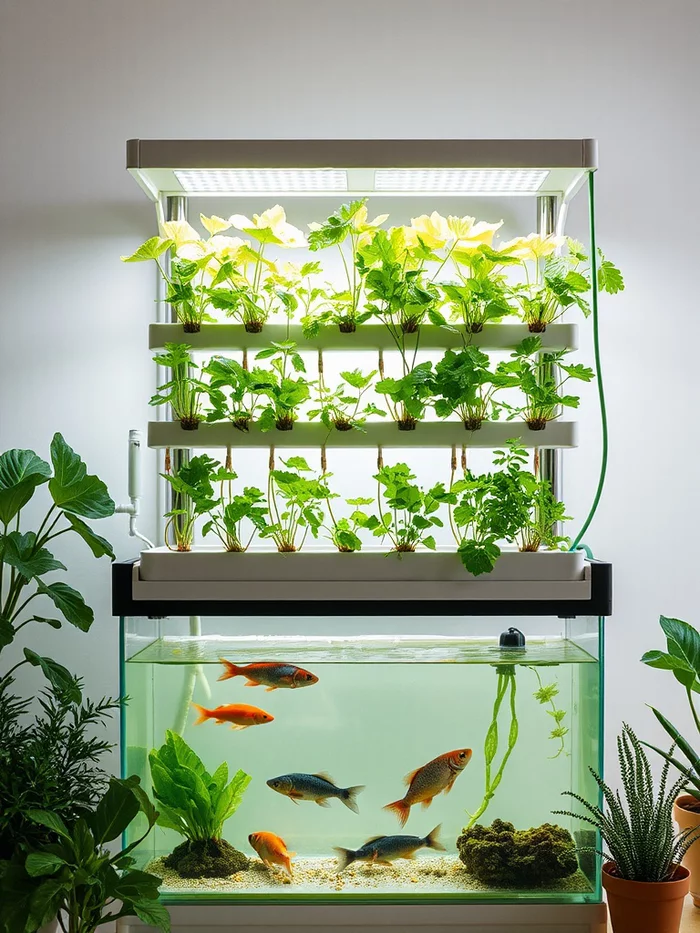
What if you could cultivate a garden and raise fish all in one compact setup? Indoor aquaponics systems make this dream a reality, merging gardening with aquaculture in a sustainable way. Let’s explore the essential insights that can help you start this rewarding endeavor.
What You Will Learn
- Indoor aquaponics creates a self-sustaining ecosystem where fish waste nourishes plants, and plants purify water for fish.
- Choosing the right fish (like tilapia or goldfish) and plants (such as leafy greens or herbs) is crucial for system success.
- Aquaponics systems use 90% less water than traditional gardening, making them an eco-friendly option for urban gardening.
- Regular maintenance, including feeding fish and monitoring water quality, is essential for optimal system health.
- The cycling period for a new aquaponics system typically takes 4 to 6 weeks, during which beneficial bacteria establish themselves.
- Aeration and biofiltration are key to maintaining healthy oxygen levels and effective waste breakdown in your aquaponics setup.
Understanding Your Indoor Aquaponics System
An overview of the aquaponics system's functionality, key benefits, and essential maintenance timeline.
System Functionality & Water Usage
- Water Flow: Fish tank to grow bed.
- Filtration: Plants absorb nutrients, cleaning water for fish.
- Sustainability: Uses 90% less water than traditional gardening.
System Cycling Timeline
- Total Cycle: 4-6 Weeks for full functionality.
- Week 1: Setup & Fish Introduction.
- Week 2-3: Ammonia/Nitrite fluctuations.
- Week 4-6: Nitrate increase; Ammonia/Nitrite drop to zero.
Essential Maintenance Tasks
- Feeding: 1-2 times daily.
- Water Testing: At least once weekly (pH, ammonia, nitrite, nitrate).
- Tank Cleaning: Remove waste regularly.
- Water Changes: Partial changes every 4-6 weeks.
Aeration & Biofiltration
- Aeration: Air stones/pumps for oxygen.
- Biofiltration: Filters break down waste.
- Filter Cleaning: Monthly checks and cleaning.
- Bacteria: Monitor healthy populations.
Understanding the Indoor Aquaponics System: How It Works
Indoor aquaponics systems blend the art of gardening with the science of aquaculture, creating a sustainable ecosystem right within your home! Have you ever dreamed of growing your own vegetables while raising fish? Well, with aquaponics, you can do just that! Let's dive into the fascinating world of indoor aquaponics and see how it operates.
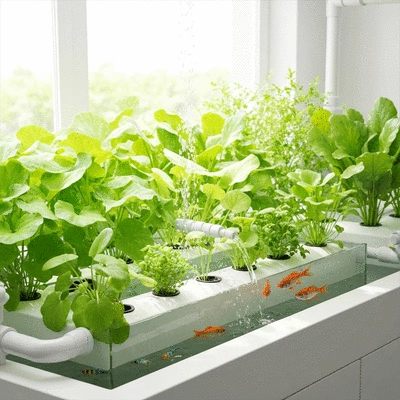
What is an Indoor Aquaponics System?
An indoor aquaponics system is a unique method of growing plants and fish together in a symbiotic environment. In simpler terms, it's a self-sustaining ecosystem where fish waste provides organic nutrients for the plants, and the plants help filter and clean the water for the fish. This closed-loop system maximizes space and resources, making it an excellent choice for urban gardeners like myself! For a deeper dive into these systems, check out our guide on understanding aquaponics systems simply.
With various designs available, you can choose a system that fits your home, whether you have a cozy apartment or a larger space. The beauty of indoor aquaponics lies in its versatility, allowing you to grow fresh herbs, leafy greens, and even fruiting plants—all while raising fish!
The Core Components of Aquaponics: Fish and Plants
At the heart of every aquaponics system are two essential elements: fish and plants. Each plays a vital role in maintaining the balance of the ecosystem.
- Fish: Common choices include tilapia, goldfish, and catfish. They provide the necessary nutrients through their waste, which is rich in ammonia.
- Plants: Leafy greens like lettuce, herbs like basil, and even fruiting plants such as tomatoes thrive in aquaponic systems. They absorb the nutrients from the water, helping keep it clean for the fish.
Choosing the right fish and plants can significantly influence the success of your indoor aquaponics system. I often recommend starting with easy-to-grow plants and hardy fish, especially for beginners.
How Indoor Aquaponics Systems Function: Water Flow and Filtration
Understanding how water circulates in your aquaponics system is key to keeping everything healthy and thriving. The system typically involves a series of tanks and pipes that allow for water flow between fish tanks and plant beds.
- Water Flow: Water from the fish tank is pumped up to the grow bed, where plants absorb nutrients.
- Filtration: As plants take up nutrients, they filter the water, which then returns to the fish tank clean and oxygenated.
This constant cycling of water ensures that both fish and plants receive what they need to flourish. Set up correctly, an indoor aquaponics system can be a low-maintenance, efficient way to garden year-round!
Key Benefits of Using an Indoor Aquaponics System
Now that we've covered the basics, let’s talk about why you might want to consider integrating an indoor aquaponics system into your home gardening routine.
- Sustainability: Aquaponics uses 90% less water than traditional gardening, making it an eco-friendly choice.
- Space Efficiency: These systems can be set up in small areas, making them perfect for urban dwellers.
- Fresh Produce: Enjoy fresh herbs and veggies at your fingertips, reducing reliance on store-bought produce.
- Educational Opportunities: Great for families, aquaponics can be a fun way to teach kids about ecosystems and sustainability.
As someone who values sustainable practices, I truly believe that indoor aquaponics is a fantastic way to enjoy gardening while minimizing our environmental impact. For more tips on sustainable planting, consider reading about organic gardening tips for beginners.
Exploring the Relationship Between Fish and Aquaponic Vegetables
The relationship between fish and plants in an aquaponics system is nothing short of fascinating! Each component relies on the other, creating a balanced environment.
For instance, the fish produce waste, which is converted into nutrients for the plants by beneficial bacteria. In turn, the plants clean the water, allowing the fish to thrive. This cycle not only promotes healthy growth for both but also highlights the beauty of nature's interconnections!
Moreover, the choice of fish can influence the types of vegetables you grow. Some fish prefer specific water conditions, which can affect plant growth. It’s essential to do your research on compatible species to optimize your system's success.
Pro Tip
To optimize the health of your indoor aquaponics system, consider integrating a variety of fish and plants that complement each other. For instance, pairing nutrient-hungry plants like tomatoes with fish that thrive in slightly warmer waters can enhance growth and yield. This not only creates a balanced ecosystem but also maximizes your harvest!
Frequently Asked Questions About Indoor Aquaponics
Q: What is indoor aquaponics?
A: Indoor aquaponics is a sustainable method of growing plants and raising fish together in a self-sustaining, closed-loop system indoors. Fish waste provides nutrients for plants, and plants filter the water for the fish.
Q: What are the main benefits of using an indoor aquaponics system?
A: Key benefits include using 90% less water than traditional gardening, efficient use of space, access to fresh produce year-round, and educational opportunities for understanding ecosystems and sustainability.
Q: What types of fish and plants are best for aquaponics?
A: Common fish choices include tilapia, goldfish, and catfish. For plants, leafy greens like lettuce and herbs such as basil, along with fruiting plants like tomatoes, thrive well in aquaponics systems.
Q: How long does it take for an aquaponics system to cycle?
A: A new aquaponics system typically takes 4 to 6 weeks to fully cycle. During this period, beneficial bacteria establish themselves to convert fish waste into plant nutrients.
Q: What are the essential maintenance tasks for an indoor aquaponics system?
A: Essential maintenance includes feeding fish 1-2 times daily, weekly water quality testing (pH, ammonia, nitrite, nitrate), regular tank cleaning, and partial water changes every 4-6 weeks.
Q: Why are aeration and biofiltration important in aquaponics?
A: Aeration ensures adequate oxygen levels for fish health, while biofiltration breaks down fish waste into essential nutrients for plants and maintains water quality by removing harmful substances.
Maintaining Your Indoor Aquaponics System for Optimal Performance
Taking care of your indoor aquaponics system is essential for creating a thriving ecosystem that benefits both your fish and plants. At All American Gardeners, we understand the importance of proper maintenance to ensure your garden flourishes. Let’s dive into some key maintenance tasks that will keep your system running smoothly!
Essential Maintenance: Feeding Fish and Water Quality Management
Feeding your fish is just one part of maintaining your aquaponics system. It's crucial to monitor water quality regularly, as this can significantly affect the health of both your aquatic and plant life. Here are some essential tasks to consider:
- Feeding Schedule: Feed your fish a balanced diet 1-2 times daily, ensuring they eat within a few minutes.
- Water Testing: Test your water parameters at least once a week, focusing on pH, ammonia, nitrite, and nitrate levels.
- Cleaning the Tank: Remove any uneaten food and waste to prevent harmful toxins from accumulating.
- Water Changes: Perform partial water changes every 4-6 weeks to maintain excellent water quality.
Regularly following these steps will help create a harmonious environment where your plants and fish can thrive together!
Cycle Time: How Long Before Your System is Fully Functional?
When starting your indoor aquaponics system, patience is key. It typically takes about 4 to 6 weeks for your system to cycle fully. During this time, beneficial bacteria establish themselves, converting fish waste into nutrients for your plants. Here’s what to expect during the cycle:
- Week 1: Set up your system and introduce fish. Begin monitoring water parameters.
- Week 2-3: Expect fluctuations in ammonia and nitrite levels as the bacteria begin to grow.
- Week 4: Nitrate levels should start to increase, indicating that the cycle is progressing well.
- Week 5-6: Once ammonia and nitrite levels drop to zero, your system is officially cycled!
Understanding this timeline helps you plan for planting and ensures your aquaponics system is ready for a productive gardening experience!
The Role of Aeration and Biofiltration in System Health
Aeration and biofiltration are vital components for keeping your aquaponics system healthy and efficient. Aeration helps maintain oxygen levels in the water, while biofiltration breaks down waste and keeps harmful substances in check. Here are some tips to ensure both aspects are functioning optimally:
- Aeration Techniques: Use air stones or pumps to increase water oxygenation and promote fish health.
- Biofiltration Systems: Choose quality filters that balance biological, mechanical, and chemical filtration.
- Regular Maintenance: Clean and check filters monthly to ensure they are functioning effectively.
- Monitor Bacteria Levels: Ensure a healthy population of beneficial bacteria to break down waste efficiently.
By keeping an eye on aeration and biofiltration, you’ll create a vibrant ecosystem where both your fish and plants can flourish! Remember, a well-maintained aquaponics system not only supports sustainable gardening but also brings joy to your indoor space. For further reading on maintaining healthy plants, consider our essential plant care checklist.
Recap of Key Points
Here is a quick recap of the important points discussed in the article:
- Indoor aquaponics combines fish farming and plant cultivation in a self-sustaining ecosystem.
- Key components include fish (such as tilapia and catfish) and plants (like lettuce and herbs) that work together to maintain water quality.
- The system operates through a cycle of water flow and filtration, ensuring both fish and plants receive necessary nutrients and clean water.
- Benefits of aquaponics include sustainability, space efficiency, access to fresh produce, and educational opportunities for families.
- Maintaining water quality and adhering to a feeding schedule are essential for the health of both fish and plants.
- Understanding the cycling process (approximately 4-6 weeks) is crucial for successful system operation.
- Aeration and biofiltration play vital roles in maintaining a healthy aquaponics environment.

 Why settle for store-bought herbs when you can grow your own at home, in any space? Hydroponic garde
 Ready to transform your gardening experience? Selecting the right sweet corn seeds can make all the
 Imagine harvesting juicy, flavorful tomatoes while actively contributing to sustainable agriculture.
 What if I told you that the secret to growing robust rosemary lies in the soil beneath your feet? Un
 Have you ever wondered how innovative techniques in gardening can reshape our food production? Hydro
 As you prepare to embark on your journey of growing garlic, consider this: garlic cultivation isn't