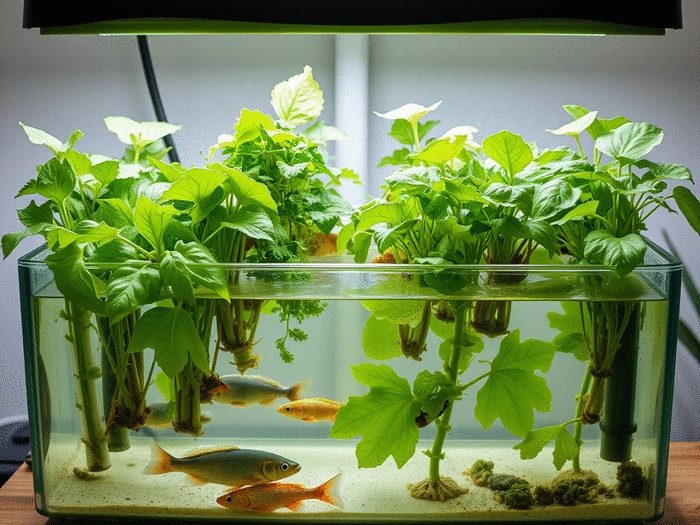
System Type Compatibility
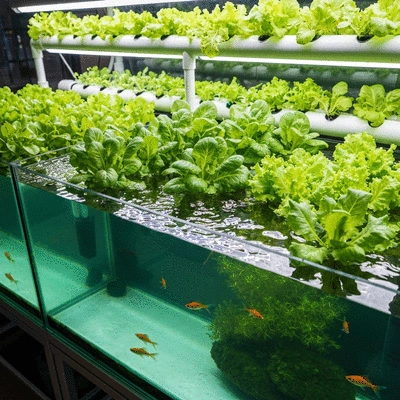
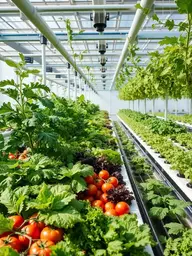
- ✓ **Raft Systems:** Leafy greens, herbs
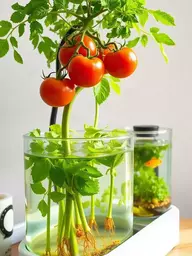
- ✓ **Media-Based:** Tomatoes, peppers
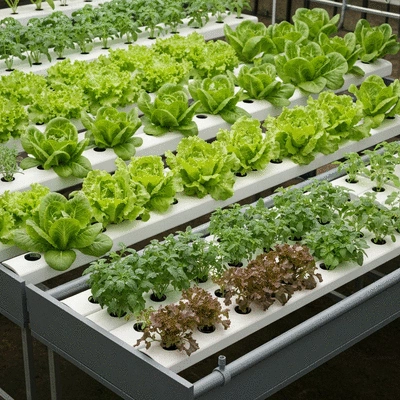
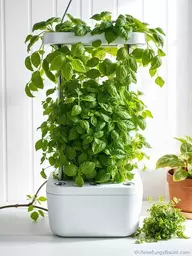
- ✓ **NFT Systems:** Basil, cilantro
Join Clara M. Greene's community for expert tips and seasonal guides tailored for American gardeners.
Posted on: 2026-05-02
By: Clara M. Greene
Are you ready to transform your gardening experience with aquaponics? By combining fish and plants in a sustainable ecosystem, you can grow food efficiently while caring for the planet. Let's explore the essential insights that can help you thrive in this innovative practice!
This guide illustrates key considerations for selecting plants in aquaponics systems, focusing on system type, difficulty, and nutrient demand.
Aquaponics is an innovative and sustainable farming method that combines aquaculture (raising fish) with hydroponics (growing plants in water). It’s a fantastic way to produce food while minimizing environmental impact! By utilizing the natural symbiotic relationship between fish and plants, we can create a self-sustaining ecosystem that thrives on nutrient cycling.
One of the greatest benefits of aquaponics is its efficiency. It uses up to 90% less water than traditional soil-based gardening, which makes it a perfect fit for those of us passionate about sustainable practices. At All American Gardeners, we believe that embracing methods like aquaponics not only helps us grow fresh produce but also nurtures the planet! For a deeper dive into the basics, check out our guide on understanding aquaponic farming basics.
When diving into aquaponics, it’s essential to choose plants that suit your specific system type—whether it’s raft, media-based, or nutrient film technique (NFT). Each system has unique characteristics that influence plant selection.
Selecting the right plants based on your system ensures they receive the best possible growth conditions, enhancing both yield and sustainability. Remember, the goal is to create a thriving environment where fish and plants can flourish together!
As a gardener, it's crucial to consider the difficulty level of plants in your aquaponics system. Some plants are easier to grow, perfect for beginners, while others may pose more challenges. This distinction can significantly impact your gardening success!
By assessing your skill level and choosing plants accordingly, you can set yourself up for success in your aquaponics journey. Don't hesitate to start small and gradually work your way up to more complex plants!
Understanding the nutrient demand of your chosen plants is essential for maintaining a balanced aquaponics system. Different plants have varying nutrient needs that can directly affect their growth and overall health.
By selecting plants based on their nutrient requirements and matching them with your fish species, you can maximize growth efficiency and create a successful, low-maintenance aquaponics system. Remember, teamwork between your fish and plants is key to thriving gardens! For more information on maintaining plant health, read our plant care tips for home gardeners.
If you’re wondering which vegetables to start with in your aquaponics system, let me highlight some popular choices that are perfect for this method! These plants are not only easy to grow but also delicious and nutritious.
Choosing to grow these vegetables will not only enhance your gardening experience but also provide you with fresh ingredients for your meals. Just imagine enjoying a salad made with your homegrown lettuce and tomatoes—now that’s a rewarding feeling!
A1: Aquaponics uses significantly less water (up to 90% less) compared to traditional soil-based gardening, making it a highly sustainable and efficient method for growing food. It also eliminates the need for chemical fertilizers.
A2: Plant selection depends on your system type (raft, media-based, NFT), the plant's difficulty level, and its nutrient demand. Leafy greens are great for raft systems, while media-based systems can support larger plants like tomatoes.
A3: Lettuce, herbs, and radishes are excellent choices for beginners due to their ease of growth and lower nutrient requirements. They help new aquaponics gardeners build confidence.
A4: Understanding nutrient demand helps you maintain a balanced ecosystem. High-demand plants (e.g., tomatoes) need more nutrients from fish waste, while low-demand plants (e.g., leafy greens) thrive with less, allowing you to match plants with your fish species for optimal growth.
A5: Lettuce, tomatoes, and cucumbers are highly recommended. Lettuce is quick and low-space, tomatoes are rewarding in media-based systems, and cucumbers are fast-growing and prolific.
When selecting plants for your aquaponics system, consider starting with a mix of both high and low nutrient demand plants. This strategy not only helps balance nutrient levels but also allows you to enjoy a diverse harvest. For instance, pairing fast-growing leafy greens like lettuce with nutrient-hungry plants like tomatoes can create a thriving ecosystem where both can flourish!
Choosing the right plants for your aquaponics system is crucial to its success! When you select the appropriate species, you're not only ensuring a lush garden but also optimizing the efficiency of your system. At All American Gardeners, we believe understanding plant compatibility is key to a thriving aquaponic environment.
Different plants thrive in various aquaponic setups, such as raft, media-based, or nutrient film technique (NFT) systems. Let’s explore how to select the best plants based on your specific system type!
When it comes to aquaponics, the type of system you have significantly impacts the plants you can grow. Here’s a breakdown of suitable plants for each system type:
By aligning your plant choices with your system type, you enhance growth potential and create a harmonious growing environment. It’s all about finding that perfect match!
Understanding the difficulty level of growing different plants is essential, especially for beginners. Here’s a helpful guide to distinguish between beginner-friendly and advanced plants:
Remember, starting with simpler plants can boost your confidence and provide a rewarding gardening experience. As you gain more experience, you can gradually introduce more complex species into your aquaponics system!
Nutrient demand is another critical factor when choosing plants for aquaponics. Each plant has unique requirements that affect growth rates and overall system efficiency. Here are some key considerations:
Balancing nutrient levels in your aquaponics system will help ensure that both your fish and plants are healthy and flourishing. This balance is the secret to enjoying a bountiful harvest!
Ready to dive into some popular choices? Here are some of the top vegetables that I’ve found to perform wonderfully in aquaponic systems:
These vegetables not only add flavor to your meals but are also a joy to grow! At All American Gardeners, I’m excited to help you explore the possibilities of aquaponics and create a garden that’s both productive and sustainable. Don't forget to check out our tips on choosing the right vegetable seeds for your garden.
Here is a quick recap of the important points discussed in the article: