As urban gardening continues to grow in popularity, aquaponics offers a unique opportunity to create a sustainable and productive ecosystem right in your home. Not only does it provide fresh produce and fish, but it also promotes environmental responsibility. Are you ready to explore the key lessons from this innovative method?
What You Will Learn
Aquaponics combines aquaculture and hydroponics, creating a symbiotic environment for fish and plants.
This method is highly sustainable, using significantly less water and eliminating the need for synthetic fertilizers and pesticides.
Urban aquaponics can enhance food security and improve access to fresh, organic produce in densely populated areas.
Understanding the environmental impact of your setup can lead to a more efficient use of resources and reduced waste.
Aquaponics vs. Hydroponics & Environmental Impact
Aquaponics offers a sustainable approach to gardening by integrating fish and plants. Below, we compare it with hydroponics and highlight its key environmental benefits. For those just starting their gardening journey, it's also helpful to understand essential tools for new gardeners.
Aquaponics vs. Hydroponics
Nutrient Source: Aquaponics uses organic fish waste; Hydroponics uses chemical nutrients.
Environmental Impact: Aquaponics promotes biodiversity, minimizes waste; Hydroponics has less direct biodiversity.
Additional Yield: Aquaponics provides both crops and fish (protein).
Environmental Impacts & Benefits
Water Conservation: Uses up to 90% less water than traditional farming.
Reduced Chemical Use: Eliminates synthetic fertilizers and pesticides.
Soil Health Preservation: No soil reliance, protecting agricultural land from erosion.
Understanding DIY Aquaponics Systems
Have you ever considered combining fish and plants in a single, harmonious ecosystem? That’s the beauty of aquaponics! It’s a method of growing plants and fish together in a controlled environment, creating a sustainable cycle that benefits both. Let’s dive deeper into this innovative gardening technique and see how it works!
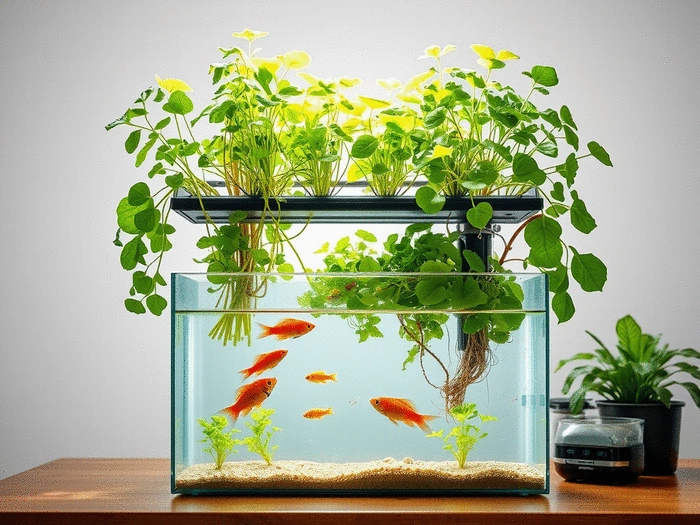
Aquaponics operates on a simple principle: the waste produced by fish provides nutrients for the plants, while the plants help filter and clean the water for the fish. This symbiotic relationship not only maximizes space and resources but also minimizes waste—perfect for home gardeners looking to go green! If you're interested in other sustainable gardening methods, you might also want to explore exploring vertical garden benefits.
What is Aquaponics and How Does it Work?
At its core, aquaponics integrates aquaculture (raising fish) with hydroponics (growing plants in water). In this system, fish are raised in tanks, and their waste—rich in nutrients—feeds the plants growing in a separate bed. The plants help purify the water, which is cycled back to the fish. It’s a beautiful loop of nature!
Fish like tilapia, catfish, or goldfish can thrive in this setup.
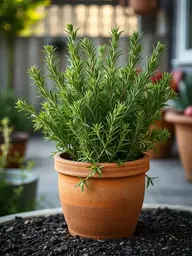
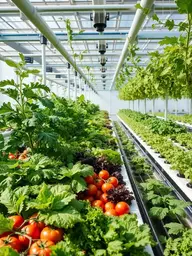
Common plants include leafy greens, herbs, and even tomatoes!
Water quality is crucial—maintaining the right pH and nutrient levels is key to success.
In addition to being an exciting gardening project, aquaponics systems can be tailored to fit any space, from small apartments to larger outdoor setups. So, whether you’re a seasoned gardener or just getting started, aquaponics offers a unique way to engage with nature!
The Benefits of DIY Aquaponics for Home Gardeners
Why should you consider setting up your own aquaponics system? Here are some fantastic benefits that make it an appealing option for home gardeners:
Sustainable gardening: With minimal resource waste, aquaponics is an eco-friendly choice!
Fresh produce and fish: Enjoy a continuous supply of fresh vegetables and fish right from your backyard!
Space-efficient: Ideal for urban settings, aquaponics can be set up in small areas like balconies or patios.
As a passionate gardener myself, I love how aquaponics combines my love for both plants and fish! It also allows for experimentation with different fish and plant combinations, making each setup unique and personal.
Comparing Aquaponics and Hydroponics: Key Differences and Benefits
Many people often confuse aquaponics with hydroponics, but there are key differences between the two! While both methods rely on water to grow plants, aquaponics incorporates fish into the system, creating a self-sustaining ecosystem. Here are some distinctions to consider:
Nutrient Source: In hydroponics, nutrients are added chemically, while aquaponics relies on organic fish waste.
Environmental Impact: Aquaponics promotes biodiversity and minimizes waste through its closed-loop system.
Additional Yield: With fish included, you get both crops and protein from your system!
By understanding these differences, you can choose the gardening method that best fits your lifestyle and goals. Remember, whether you opt for aquaponics or hydroponics, both methods allow you to cultivate beautiful, healthy gardens!
Pro Tip
Did you know? Maintaining a balanced pH level between 6.8 and 7.2 is crucial for the health of both your fish and plants in an aquaponics system. Regularly test your water quality to ensure optimal growth and prevent any nutrient deficiencies!
Frequently Asked Questions (FAQs) about DIY Aquaponics
Q1: What is aquaponics?
A1: Aquaponics is a sustainable food production system that combines aquaculture (raising fish) and hydroponics (growing plants in water) in a symbiotic environment. Fish waste provides nutrients for the plants, which in turn filter the water for the fish.
Q2: How does aquaponics differ from hydroponics?
A2: The main difference lies in the nutrient source. Aquaponics uses organic fish waste as the primary nutrient source for plants, while hydroponics relies on chemically added nutrient solutions. Aquaponics also yields both fish and plants, promoting greater biodiversity and minimizing waste.
Q3: What are the environmental benefits of aquaponics?
A3: Aquaponics offers significant environmental benefits, including water conservation (using up to 90% less water than traditional farming), reduced chemical use (no synthetic fertilizers or pesticides), and soil health preservation (no reliance on soil, protecting agricultural land from erosion).
Q4: What types of fish and plants can be grown in an aquaponics system?
A4: Common fish suitable for aquaponics include tilapia, catfish, and goldfish. For plants, leafy greens, herbs, and even vegetables like tomatoes thrive in these systems.
Q5: Is aquaponics suitable for urban environments?
A5: Yes, aquaponics is highly space-efficient and ideal for urban settings, including balconies, patios, and small backyards. It enhances food security and access to fresh produce in densely populated areas.
Key Takeaways on DIY Aquaponics
As we explore the world of DIY aquaponics, it's essential to pause and reflect on its overall sustainability. This innovative system merges aquaculture with hydroponics, allowing you to grow fish and plants together in a harmonious cycle. By understanding the sustainability of your aquaponics setup, you can ensure it not only thrives but also benefits our environment.
Here are some key points to consider when evaluating the sustainability of your aquaponics system:
Use of resources: Assess how much water and energy your system requires.
Waste management: Understand how to recycle waste from fish into nutrients for plants.
Local impact: Consider how your system can contribute to local food systems and reduce carbon footprints.
By keeping these factors in mind, you can create an aquaponics system that is not just productive but also environmentally friendly. Trust me, embracing sustainability will enhance your gardening experience and contribute to a healthier planet!
Understanding the Long-Term Benefits of Urban Aquaponics
Urban aquaponics presents unique opportunities for city dwellers looking to grow their own food. By incorporating these systems into urban spaces, we can achieve several long-term benefits. One major advantage is the reduction of food miles, as you can grow your own fresh produce right at home, cutting down on transportation emissions.
Here are some long-term benefits of engaging in urban aquaponics:
Increased access to fresh, organic produce.
Enhanced food security in densely populated areas.
Promotion of community engagement and knowledge sharing.
As I’ve experienced in my own gardening journey, seeing the fruits of your labor—literally!—can be incredibly rewarding. It's not just about growing food; it's about fostering a deeper connection with your environment and community.
Exploring the Environmental Impact of Aquaponics and Sustainable Practices
When we think about gardening, it's crucial to consider our environmental footprint. Aquaponics offers a unique way to minimize negative impacts while yielding bountiful harvests. By utilizing sustainable practices, we can contribute positively to our ecosystem. For beginners, understanding organic gardening tips for beginners can also be very helpful.
Key environmental impacts of aquaponics include:
Water conservation: Aquaponics uses up to 90% less water compared to traditional farming.
Reduced chemical use: This method eliminates the need for synthetic fertilizers and pesticides.
Soil health preservation: Since aquaponics doesn't rely on soil, it helps protect agricultural land from erosion and degradation.
By adopting aquaponics, you’re not just growing plants and fish; you’re actively participating in sustainable practices that benefit both your garden and the planet!
Join the DIY Aquaponics Community
The journey into aquaponics is one that thrives on community and collaboration. If you’ve dabbled in this unique gardening method, I encourage you to share your success stories. By learning from each other, we can elevate our gardening practices and inspire others to join the movement.
Sharing Your Success Stories and Learning from Others
Connecting with fellow gardeners is an enriching experience that can provide insights you might not find in books or online. Whether it’s overcoming challenges or celebrating achievements, sharing your personal stories can foster a supportive community.
Consider these ways to share your successes:
Join local gardening groups or online forums.
Participate in workshops and community events.
Utilize social media platforms to showcase your aquaponics journey.
Remember, each story shared helps build a wealth of knowledge that can guide others in their gardening adventures!
Resources for Further Learning and Development in Aquaponics
As you delve deeper into aquaponics, the right resources can make all the difference. Whether you're looking for tutorials, articles, or videos, there's a wealth of information available to help enhance your understanding and skills. For those looking to expand their knowledge, resources dedicated to understanding aquaponic farming basics are readily available.
Here are some fantastic resources to explore:
Online courses focusing on aquaponics principles.
Books written by aquaponics experts.
YouTube channels dedicated to DIY aquaponics projects.
Staying informed is key. New techniques and ideas pop up regularly, and being part of the conversation can keep your garden thriving!
Participating in Community Gardening and Local Produce Initiatives
Community involvement is a vital aspect of the gardening experience. By participating in community gardening initiatives, you not only gain hands-on experience but also contribute to food security in your area.
Here’s how you can get involved:
Volunteer at local community gardens or urban farms.
Attend local farmers' markets to connect with fellow gardeners and producers.
Collaborate on community aquaponics projects to share knowledge and resources.
Being part of a community fosters a sense of belonging and purpose. Together, we can create a sustainable future through gardening and aquaponics!
Recap of Key Points
Here is a quick recap of the important points discussed in the article:
Aquaponics combines fish and plants in a sustainable ecosystem, maximizing space and minimizing waste.
The system requires careful maintenance of water quality and nutrient levels for both fish and plants.
Aquaponics offers numerous benefits including sustainable gardening, fresh produce, and space efficiency.
Understanding the differences between aquaponics and hydroponics is crucial for choosing the right gardening method.
Urban aquaponics can enhance food security and promote community engagement.
Utilizing sustainable practices in aquaponics contributes positively to the environment, including water conservation and reduced chemical use.
Subscribe & Share
2026-08-28
Growing Herbs with Hydroponics
Why settle for store-bought herbs when you can grow your own at home, in any space? Hydroponic garde
2026-08-27
Growing Sweet Corn from Seeds
Ready to transform your gardening experience? Selecting the right sweet corn seeds can make all the