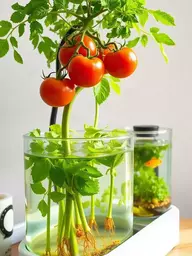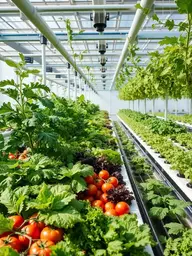
Benefits of Aquaponics
90% Less Water
Than conventional gardening
Space Saving
Vertical/compact systems
Organic Produce
No harmful chemicals
Diverse Crop Options
Fish & plant varieties
Join Clara M. Greene's community for expert tips and seasonal guides tailored for American gardeners.
Posted on: 2026-03-16
By: Clara M. Greene
What if you could cultivate both fish and plants in a sustainable, self-sufficient ecosystem right in your home? Aquaponic gardening makes this possible, combining aquaculture and hydroponics to create a thriving environment for both. Dive into the world of aquaponics and discover its benefits!
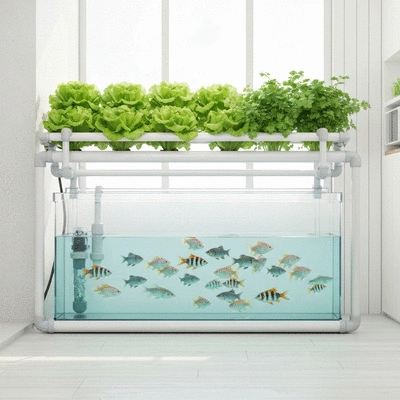
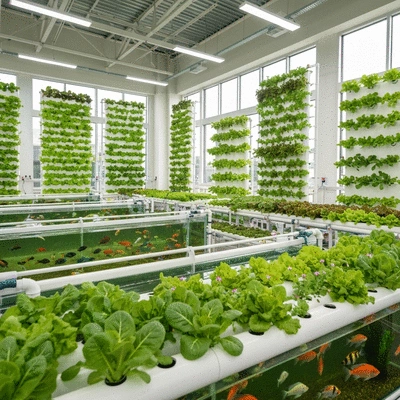
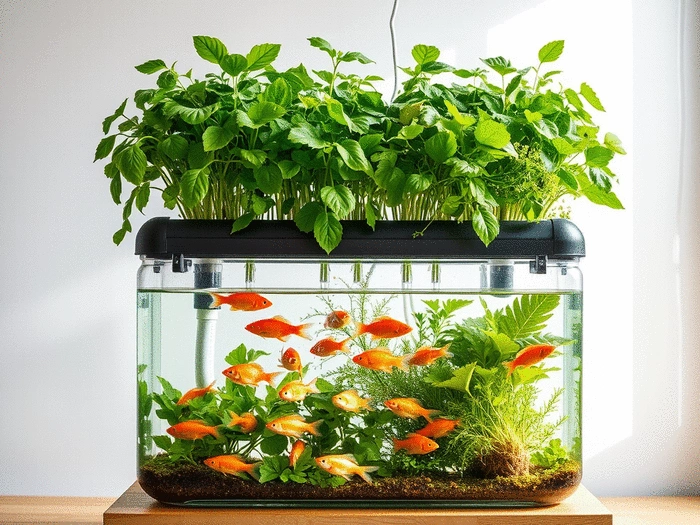
Aquaponics combines aquaculture and hydroponics, offering a sustainable way to grow food. This visual highlights its core benefits and essential components, demonstrating how fish and plants create a mutually beneficial ecosystem. To explore more about how these systems function, check out our guide on understanding aquaponics systems simply.
90% Less Water
Than conventional gardening
Space Saving
Vertical/compact systems
Organic Produce
No harmful chemicals
Diverse Crop Options
Fish & plant varieties
Heart of the system, with proper filtration for fish health.
Convert ammonia to nitrates; essential for pH & ammonia monitoring.
Gravel/clay pebbles support roots and aid nutrient cycling.
Ideal pH 6.8-7.4; bacteria convert ammonia to plant nitrates.
Are you curious about how to combine fish farming and plant cultivation in one harmonious system? Aquaponic gardening is an innovative method that merges aquaculture (raising fish) with hydroponics (growing plants in water) to create a sustainable and productive ecosystem. In this section, I'll guide you through the essentials of aquaponics, from its basic principles to its significant advantages in sustainable farming.
By utilizing the natural cycles of ecosystems, aquaponics allows you to grow food efficiently while conserving resources. Imagine a world where you can raise fresh fish and grow organic vegetables right in your home! Let’s explore how this fascinating system works.
An aquaponic garden is a self-sustaining system where fish and plants are grown together in a mutually beneficial environment. The fish produce waste that serves as a nutrient source for the plants, while the plants help to filter and clean the water for the fish. It's truly a win-win situation!
This cycle not only allows for efficient resource use but also reduces the need for chemical fertilizers and pesticides, making aquaponics a sustainable alternative to traditional farming methods.
Why should you consider aquaponics for your home garden? Here are some compelling benefits:
As a passionate gardener, I believe that understanding these benefits can empower you to take your gardening to the next level. Sustainable practices not only nurture our environment but also enhance our quality of life.
To set up a successful aquaponic system, several key components are essential. Let’s dive into what makes up this dynamic gardening method:
The fish tank is the heart of an aquaponic system. It needs to be large enough to support the fish you wish to raise while also incorporating a reliable water filtration system. Proper filtration ensures that waste is broken down and that your fish can thrive.
Biofilters play a crucial role in transforming toxic ammonia from fish waste into beneficial nitrates for plants. Monitoring water quality is essential, as pH levels and ammonia concentrations can impact both plants and fish. Keeping a close eye on these factors guarantees a healthy ecosystem!
While some aquaponic systems use floating rafts, many utilize a growing medium like gravel or clay pebbles to support plant roots. This medium helps retain moisture and nutrients while promoting aeration. Nutrient cycling occurs as plants uptake the nutrients from the water, which are replenished by the fish waste, creating a balanced environment.
pH levels should ideally range between 6.8 and 7.4 for optimal plant growth and fish health. The nitrification process involves beneficial bacteria converting ammonia into nitrates, essential for plant nourishment. Regular testing of pH levels and ammonia will ensure your system remains healthy.
By understanding these components, you are well on your way to establishing a thriving aquaponic garden! Keep exploring these principles to unlock the full potential of your green thumb.
To maximize the efficiency of your aquaponic system, consider integrating companion planting. This involves growing plants that benefit each other when planted together, such as pairing nitrogen-fixing legumes with leafy greens. This synergy enhances nutrient uptake and boosts overall plant health, making your aquaponic garden even more productive!
Here are some common questions to help clarify key aspects of aquaponic gardening:
Aquaponics is blooming, and it’s fascinating to see how it’s transforming the way we think about sustainable food production! With growing interest in eco-friendly practices, the market trends for aquaponics are quite promising. I believe that as more people recognize the benefits of this system, we're going to witness a significant uptick in home installations and commercial applications.
Recent studies indicate that the aquaponic market is projected to grow significantly over the next decade. Factors contributing to this growth include increasing urbanization, a rising demand for locally sourced food, and sustainability concerns. It’s exciting to think about the role home gardeners can play in this shift!
As we embrace these trends, it’s clear that aquaponics has the potential not only to change individual backyards but also to have a broader impact on agricultural practices across the nation.
The landscape of urban farming is rapidly evolving with the introduction of innovative aquaponic technologies. These developments are designed to make aquaponics more accessible, efficient, and user-friendly. I love seeing new systems that enable even the busiest city dwellers to cultivate their own fresh produce!
These innovations are paving the way for future generations of gardeners. By staying informed about these trends, we can all participate in shaping a more sustainable and productive future for urban farming.
As we wrap up our exploration into aquaponics, you might be wondering: is an aquaponic garden worth the investment? My honest answer? Absolutely! The benefits are immense—not just for you, but for the environment as well. You’ll be engaging in a sustainable practice that allows you to enjoy fresh produce right from your home.
Investing in an aquaponic system can seem daunting, but the rewards are well worth it! Imagine having fresh greens and fish available at your fingertips, all while contributing to a sustainable food system. Here are some reasons why you should consider starting an aquaponic garden:
Each of these factors contributes to not just personal satisfaction but also a positive impact on the broader community and environment.
For those of you ready to dive into your aquaponic journey, I encourage you to take the next steps with confidence! Start small, perhaps with a simple kit that suits your space. Don’t hesitate to reach out to local gardening communities or online forums for advice and support. We’re all in this together, and sharing experiences can enhance our gardening skills! For more general guidance on starting your gardening journey, refer to our organic gardening tips for beginners.
Utilizing these resources can bridge the gap between theory and practice, making your aquaponic experience much more enjoyable and successful.
Lastly, consider participating in workshops and educational programs on aquaponics. These hands-on experiences can be invaluable. Plus, you’ll meet fellow gardening enthusiasts who share your passion! Local gardening centers often offer classes, and you might find virtual options as well. Remember, every gardener's journey is unique—embrace yours with enthusiasm!
Here is a quick recap of the important points discussed in the article: