Benefits of Vertical Aquaponics
- Uses up to 90% less water than traditional gardening.
- Space-saving design, ideal for urban settings.
- Produces organic produce without harmful chemicals.
Join Clara M. Greene's community for expert tips and seasonal guides tailored for American gardeners.
Did you know that vertical aquaponics can save up to 90% of water compared to traditional gardening methods? This innovative approach not only maximizes your gardening space but also creates a self-sustaining ecosystem.
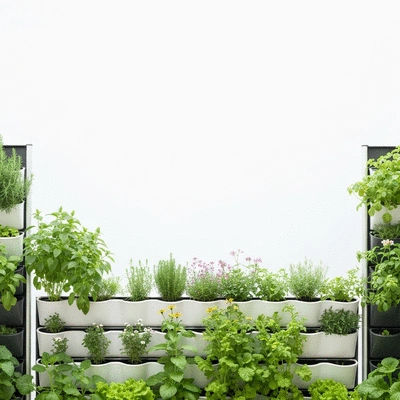
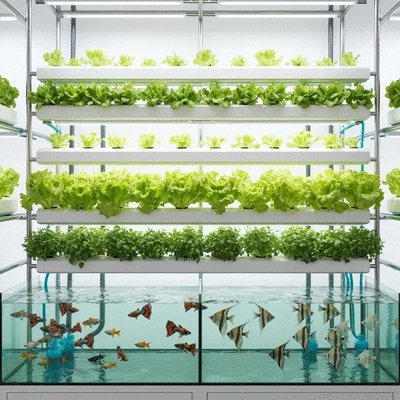
Vertical aquaponics combines aquaculture and hydroponics to create a sustainable, space-efficient food production system. This visual outlines the core benefits and the symbiotic process that drives it. To delve deeper into the components of such systems, you might find our guide on understanding aquaponics systems simply particularly useful.
Welcome to the fascinating world of vertical aquaponics! This innovative gardening technique combines aquaculture (raising fish) and hydroponics (growing plants in water) into a harmonious system that maximizes space and sustainability. Vertical aquaponics allows you to grow fresh produce while raising fish, all in a compact setup that’s perfect for urban or limited spaces!
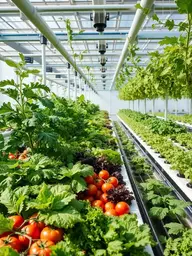
One of the most compelling benefits of vertical aquaponics is its space efficiency. By utilizing vertical structures, you can cultivate a variety of plants in a small footprint. Plus, this method creates a self-sustaining ecosystem where fish waste provides nutrients for the plants, and in return, the plants filter the water for the fish. It's a beautiful cycle of life that contributes to sustainability and healthy eating.
So, what exactly is vertical aquaponics? Imagine a garden that not only produces food but also utilizes fish as a vital part of the system. This method promotes biodiversity and reduces the need for chemical fertilizers and pesticides. Here are some key advantages:
Incorporating vertical aquaponics into your gardening practices can lead to healthier and more sustainable food production. It’s not just about growing; it’s about thriving in an eco-friendly manner! For those looking to optimize their garden layout, exploring vertical garden benefits can provide further inspiration.
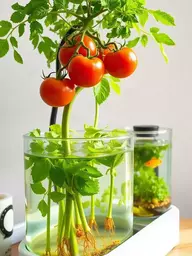
At the heart of vertical aquaponics is the relationship between plants and fish, working together in a symbiotic environment. Water from the fish tanks is pumped through the system, delivering nutrients to the plants growing in vertical towers. This cycle begins as fish produce waste, which is then converted into nutrients by beneficial bacteria, making it accessible for plants. Curious about how it all works? Let’s break it down:
This efficient system not only saves resources but also enhances plant growth, making vertical aquaponics a fantastic option for home gardeners looking to innovate!
Integrated farming practices play a crucial role in vertical aquaponics by promoting biodiversity and ensuring sustainability. By combining different agricultural practices, we can create a healthier ecosystem. For example, introducing beneficial insects or companion plants can improve pest control and enhance plant health.
Let’s explore how integrated farming can elevate your vertical aquaponics system:
By integrating these practices, we can foster a more resilient and productive vertical aquaponics system, ultimately leading to a thriving garden that benefits both the gardener and the environment!
Did you know? Incorporating companion planting in your vertical aquaponics system can enhance your overall yield. For instance, pairing nitrogen-fixing plants like peas with heavy feeders such as tomatoes can create a mutually beneficial environment that promotes healthier growth and can help you maximize your limited space!
As you embark on your vertical aquaponics journey, it’s vital to make informed choices about what to grow and how to enhance your system. Selecting the right crops can significantly impact your success. Let’s explore the best options to consider!
When it comes to vertical aquaponics, not all crops are created equal. You’ll want to focus on plants that thrive in these conditions. Here’s a quick list of crop types that are particularly well-suited for vertical systems:
When selecting crops, keep in mind their light requirements and how they will fit into your vertical setup. This way, you'll not only maximize space but also create an efficient and productive garden!
Visual aids can be a game changer in understanding and enhancing your vertical aquaponics experience. Utilizing videos and infographics can help clarify complex processes. Here’s how they can boost your learning:
Incorporating these media types makes your vertical aquaponics journey not just informative but also engaging. I often find that seeing the process in action makes it easier to replicate at home!
Did you know that hydroponics can enhance your aquaponics practices? By integrating hydroponic techniques, you can achieve higher yields and system efficiency. Here are some methods to consider:
These techniques not only improve plant health but also ensure that your aquaponic system is running smoothly. As a gardening enthusiast, I can assure you that finding ways to maximize your yield is incredibly satisfying! For beginners, a beginner's guide to starting hydroponics can be an excellent resource.
Vertical aquaponics is an innovative gardening method that combines aquaculture (raising fish) and hydroponics (growing plants in water) within vertical structures. This allows for maximum space efficiency and creates a self-sustaining ecosystem where fish waste provides nutrients for plants, and plants filter water for fish.
Vertical aquaponics can save up to 90% of water compared to traditional gardening methods due to its closed-loop water recycling system.
Key benefits include efficient water use, space-saving design ideal for urban areas, production of organic produce without harmful chemicals, and the creation of a symbiotic, self-sustaining ecosystem.
Water from fish tanks is pumped to plant beds in vertical towers. Beneficial bacteria convert fish waste into nutrients that plants absorb. The plants, in turn, filter the water, which is then returned to the fish tanks, completing a continuous cycle.
Leafy greens (lettuce, spinach, kale), herbs (basil, mint, cilantro), strawberries, and compact vegetables (radishes, green onions) are particularly well-suited for vertical aquaponics due to their shallow root systems and growth habits.
Yes, integrating hydroponic techniques can enhance aquaponics systems. This includes using hydroponic nutrient solutions to supplement plants, experimenting with hydroponic growing mediums like coconut coir, and applying water quality monitoring practices.
To wrap it up, vertical aquaponics is not just a method of gardening; it’s a rewarding experience that combines sustainability with productivity. Remember to choose crops wisely, leverage visual media, and consider integrating hydroponic techniques. Your green thumb will thank you!
Now, I want to hear from you! Have you tried vertical aquaponics? What crops are you growing? Or do you have questions about starting your own system? Please feel free to share your experiences and thoughts in the comments below. Let's build a community of passionate gardeners together—happy growing!
Here is a quick recap of the important points discussed in the article: