Cultivate Your Best Garden!

Join Clara M. Greene's community for expert tips and seasonal guides tailored for American gardeners.

Bonsai Soil Mix: Akadama vs Pumice


Bonsai Soil Mix: Akadama vs Pumice

Posted on: 2026-04-16
By: Clara M. Greene


Choosing the right soil mix for your bonsai can be a game changer for its health and growth. Have you ever considered the impact of components like Akadama and pumice? Let's explore the vital lessons that can revolutionize your bonsai gardening experience!

What You Will Learn

  • The critical role of a well-balanced bonsai soil mix in supporting healthy growth and moisture retention.
  • How Akadama enhances bonsai health by retaining moisture while allowing for essential drainage.
  • The advantages of incorporating pumice in your bonsai soil mix for excellent aeration and drainage.
  • The significance of organic matter in enriching soil and supporting nutrient availability for bonsai trees.
  • Key considerations for selecting soil materials, including cost, availability, and quality to ensure optimal bonsai cultivation.

Key Components of Bonsai Soil Mixes

Understanding the vital roles of Akadama and Pumice, alongside organic matter, is crucial for cultivating a healthy bonsai tree. For those new to the art, our bonsai tree starter kit basics can provide a great foundation.

Akadama: The Moisture Manager

  • Moisture Retention: Holds water effectively for hydration.
  • pH Neutral: Maintains balanced pH.
  • Long-lasting: Resists quick breakdown.
Key for stable hydration and root health.

Pumice: The Aeration Champion

  • Excellent Drainage: Prevents root rot effectively.
  • Aeration: Improves airflow to roots.
  • Durable: Retains structure over time.
Essential for healthy root development.

Organic Matter: The Nutrient Provider

  • Nutrient Supply: Enriches soil with essentials.
  • Water Retention: Beneficial for young trees.
  • Microbial Activity: Fosters beneficial bacteria.
Crucial for overall plant vitality and growth.

Repotting: Timing and Benefits

  • Best Season: Early spring before new growth.
  • Frequency: 1-2 years for young, 3-5 years for older.
  • Signs: Roots through drainage, health decline.
Maintains root health and promotes growth.

Understanding Bonsai Soil Mixes: The Importance of Akadama and Pumice

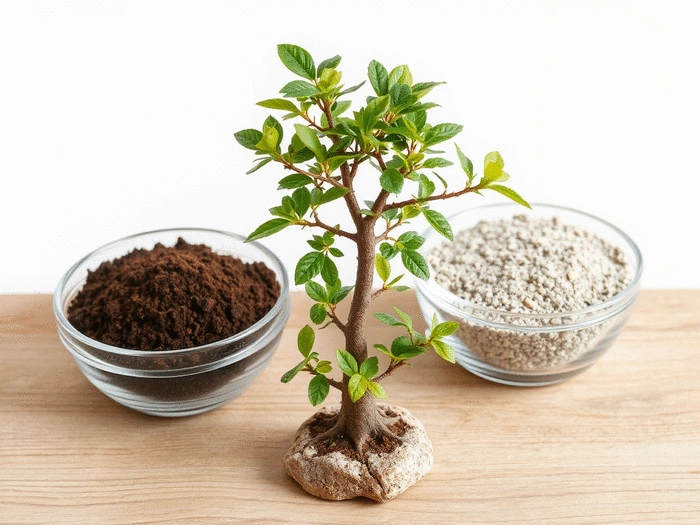
Creating the perfect environment for bonsai trees is essential, and one of the most important elements is the soil mix. A well-balanced bonsai soil mix not only supports healthy growth but also helps retain moisture and nutrients. Knowing the role of different components, such as Akadama and pumice, can significantly impact the health and longevity of your bonsai.

As a passionate gardener, I’ve learned that understanding the unique needs of your bonsai is just as important as the aesthetics of the tree itself. Choosing the right soil mix can be the difference between a thriving bonsai and one that struggles to survive. Let's dive into why this knowledge matters!

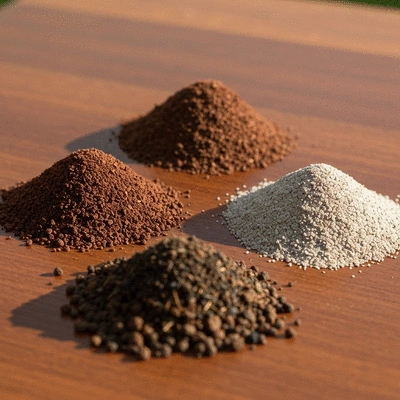
Close-up of different bonsai soil components like Akadama, pumice, and organic matter in separate piles on a wooden surface, no text, no words, no typography, clean image

What is Bonsai Soil Mix and Why Does It Matter?

A bonsai soil mix is specifically designed to meet the unique needs of bonsai trees. Unlike typical garden soil, these mixes provide essential drainage and aeration, which are vital for root health. Utilizing a custom soil mix allows for optimal growth, ensuring that your bonsai gets the nutrients it needs without becoming waterlogged.

  • Enhanced Drainage: Prevents root rot by allowing excess water to escape.
  • Improved Aeration: Promotes healthy root development, which is crucial for bonsai.
  • Nutrient Availability: Ensures that essential minerals are accessible to the plant.

In short, a well-formulated bonsai soil mix is the cornerstone of successful bonsai cultivation. It not only supports plant health but also helps you achieve the beautiful, miniature landscapes that every bonsai enthusiast dreams of!

Overview of Akadama and Its Unique Benefits for Bonsai Trees

Akadama is a key component in many bonsai soil mixes, renowned for its unique properties. This volcanic clay is prized for its ability to retain moisture while allowing excess water to pass through, making it an ideal choice for bonsai trees. But what exactly makes it so special? For more specific information on caring for different types of bonsai, refer to our guide on caring for Juniper bonsai trees.

  • Moisture Retention: Akadama can hold water effectively, ensuring your bonsai tree stays hydrated.
  • pH Neutral: It maintains a balanced pH, which is beneficial for most bonsai species.
  • Long-lasting: Unlike organic materials, Akadama doesn't break down quickly, providing lasting support for your plants.

Using Akadama in your bonsai soil mix can significantly enhance the health of your trees. It’s exciting to see how the right soil can work wonders in creating a thriving bonsai!

Exploring Pumice: A Key Player in Bonsai Soil Mixes

Pumice is another essential ingredient in bonsai soil mixes, celebrated for its lightweight texture and excellent drainage properties. Its porous nature helps create air pockets that promote root growth, making it a fantastic addition to any bonsai soil combination.

  • Excellent Drainage: Pumice prevents water retention, which is crucial for preventing root rot.
  • Aeration: The structure of pumice allows for improved airflow to the roots.
  • Durable: Like Akadama, pumice retains its structure for an extended period, making it a reliable choice.

For me, incorporating pumice into my bonsai soil mixes has truly elevated the health of my trees. It’s all about finding the right balance in your mix!

The Role of Organic Matter in Bonsai Soil Composition

While Akadama and pumice are often the stars of the show, organic matter also plays a vital role in bonsai soil mixes. Components like compost and well-rotted leaf matter can provide necessary nutrients that support tree growth.

  • Nutrient Supply: Organic matter enriches the soil, providing essential nutrients needed for growth.
  • Water Retention: It helps retain moisture, which is beneficial for young bonsai trees.
  • Microbial Activity: Organic matter fosters beneficial bacteria that can improve soil health.

Incorporating organic matter into your bonsai soil mix helps create a balanced environment that caters to the unique needs of your trees. I always enjoy experimenting with different organic options to see what works best for my bonsai!

Engage with Your Bonsai Journey!

Have you ever considered the impact of your bonsai soil mix on your tree's overall health? Share your thoughts! What has been your experience with Akadama, pumice, or other soil components? Let us know how you’ve tailored your soil mix to meet the specific needs of your bonsai!

Frequently Asked Questions About Bonsai Soil Mixes

A well-balanced bonsai soil mix is crucial for supporting healthy growth, retaining essential moisture, and providing adequate nutrients while ensuring excellent drainage and aeration to prevent root rot.

Akadama, a volcanic clay, retains moisture effectively to keep the bonsai hydrated, maintains a balanced pH, and is long-lasting, resisting quick breakdown to provide stable support.

Pumice is valued for its lightweight, porous nature, which provides excellent drainage to prevent waterlogging and promotes aeration, creating air pockets essential for healthy root development and preventing root rot.

Organic matter, like compost, enriches the soil with essential nutrients, helps retain moisture (especially beneficial for young trees), and fosters beneficial microbial activity that improves overall soil health.

When selecting materials for your bonsai soil mix, it's important to balance cost, availability in your area, and the quality of the ingredients to ensure your bonsai thrives without exceeding your budget.

Making Informed Choices for Your Bonsai Soil Mix

When it comes to creating the perfect bonsai soil mix, understanding the trade-offs is essential. With various options available, you’ll want to balance cost, availability, and quality to ensure your bonsai trees thrive! As a passionate gardener, I always prioritize getting the best value without compromising the health of my plants. Let’s dive into some key considerations.

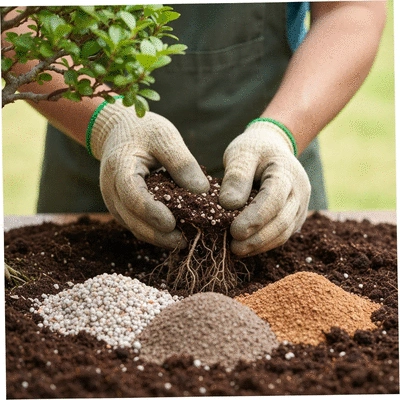
Close-up of a gardener's hands mixing different soil components for a bonsai tree, showing care and attention to detail, no text, no words, no typography, clean image

Final Thoughts: Balancing Cost, Availability, and Quality

Choosing the right materials for your bonsai soil mix can be a bit overwhelming. Here are a few factors to keep in mind when making your selection:

  • Cost: Determine your budget. While materials like Akadama may be pricier, their benefits can justify the expense.
  • Availability: Check local gardening centers or online stores. Some materials might be hard to find in your area!
  • Quality: Always opt for high-quality ingredients. A good soil mix can make a significant difference in the health of your bonsai.

By weighing these factors, you can craft a mix that suits both your bonsai's needs and your gardening budget. Remember, every gardener’s journey is unique! What works for one might not work for another, and that's okay.

Join the Conversation: Share Your Experiences with Bonsai Soil Recipes

I believe that sharing experiences enriches our gardening community! Have you experimented with different bonsai soil mixes? I’d love to hear about your successes and challenges. Here’s how you can engage:

  • Leave a comment on our blog at All American Gardeners
  • Join our social media channels and share your bonsai journey
  • Participate in our online forums to discuss soil recipes and techniques

Creating a supportive space where we can learn from each other is what it’s all about! Your insights can help fellow gardeners nurture their bonsai trees to their fullest potential. For additional plant health advice, explore our guide on fixing common plant issues.

Understanding the Importance of Repotting and Its Timing

Repotting your bonsai is crucial for maintaining a healthy root system and ensuring proper growth. Knowing when and how to do it can enhance your bonsai's development. Here are a few tips on timing your repotting:

  • Season: The best time to repot is during the early spring, just before new growth starts.
  • Frequency: Young bonsai may need repotting every 1-2 years, while older trees can go 3-5 years between repots.
  • Signs: Look for roots growing through the drainage holes or a general decline in the tree’s health as signs it’s time to repot.

By staying attuned to your bonsai’s needs, you can help it flourish in a fresh, nutrient-rich environment! Don’t hesitate to reach out if you have any questions about the repotting process—I'm here to help make your bonsai journey as rewarding as possible. For general guidance on maintaining plant health, check out our year-round plant care guide.

Recap of Key Points

Here is a quick recap of the important points discussed in the article:
  • A well-balanced bonsai soil mix enhances drainage, aeration, and nutrient availability, crucial for healthy bonsai growth.
  • Akadama retains moisture while ensuring pH neutrality and long-lasting support for bonsai trees.
  • Pumice provides excellent drainage and aeration, promoting root growth and preventing root rot.
  • Incorporating organic matter enriches the soil, supports microbial activity, and retains moisture.
  • Consider cost, availability, and quality when selecting materials for your bonsai soil mix to ensure optimal growth.

Subscribe & Share
Growing Lemon Thyme at Home Growing Lemon Thyme at Home Have you ever considered how a single herb can transform your culinary experiences and beautify your
Understanding Hydroponic Tower Gardening Understanding Hydroponic Tower Gardening Have you ever considered how a simple structure could transform your gardening experience? Hydroponi
Heirloom Seeds for Your Garden Heirloom Seeds for Your Garden What if your garden could tell a story? Heirloom seeds not only flourish under the sun but also carr
Eco-Friendly Lawn Fertilizer Options Eco-Friendly Lawn Fertilizer Options When it comes to nourishing your lawn, the switch to organic fertilizers might be the most significa
Mulch for Healthy Plants Mulch for Healthy Plants Did you know that mulching not only enhances the beauty of your garden but also plays a pivotal role
Easy Perennials for Your Zone Easy Perennials for Your Zone Have you ever considered how the right plants can transform your garden into a lush paradise? Unders
Banner
All American Gardeners

Your premier online resource for mastering home gardening across the U.S. We empower American home gardeners with expert tips, step-by-step guides, and sustainable practices for thriving outdoor spaces.

Trusted by gardeners nationwide, our mission is to provide reliable, easy-to-follow insights backed by Clara M. Greene's extensive horticulture experience and practical advice.

Cultivate Your Garden
Recent Posts
Growing Lemon Thyme at Home Growing Lemon Thyme at Home

Have you ever considered how a single herb can tra

Understanding Hydroponic Tower Gardening Understanding Hydroponic Tower Gardening

Have you ever considered how a simple structure co

Heirloom Seeds for Your Garden Heirloom Seeds for Your Garden

What if your garden could tell a story? Heirloom s

Gardening Wisdom from All American Gardeners