Caring for Your Bonsai Tree
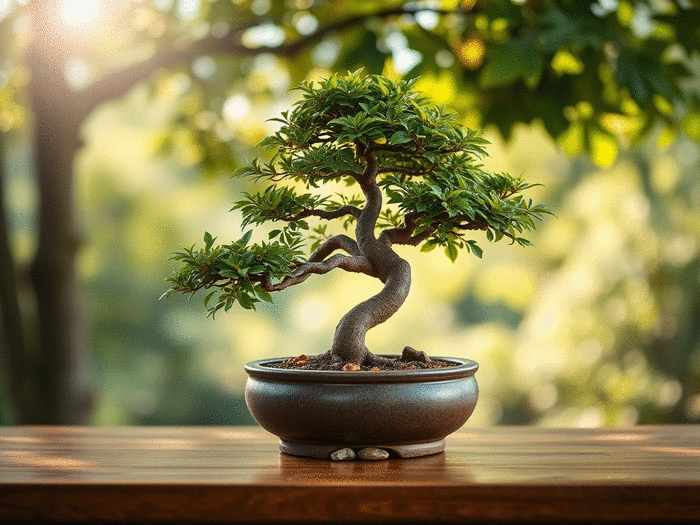
Posted on: 2026-03-16
By: Clara M. Greene
Have you ever considered that nurturing a bonsai tree is not just a hobby, but an art form that reflects your commitment to beauty and nature? Caring for these miniature wonders may challenge your gardening skills, but the reward of watching them thrive is unparalleled. Let's explore the essential practices that will help you become a successful bonsai caretaker!
What You Will Learn
- Understand the unique care requirements of different bonsai species to tailor your care methods effectively.
- Master the art of watering by learning to check soil moisture accurately and avoid common watering mistakes.
- Recognize the importance of light and humidity for your bonsai's health, and adjust placements accordingly.
- Discover how to choose the right fertilizer and identify signs of nutrient deficiency for optimal growth.
- Learn essential pruning techniques that promote healthy growth and shape your bonsai effectively.
- Gain insights into seasonal adjustments necessary for maintaining the health of your bonsai throughout the year.
- Explore the importance of repotting and how to do it correctly to ensure your bonsai's long-term health.
- Identify common pests and diseases that can affect your bonsai, along with recovery strategies for over and under-watering.
- Connect with the bonsai community to gain insights and share experiences that will enrich your bonsai journey.
Key Factors in Bonsai Care
Understanding the essential aspects of bonsai care can dramatically enhance your success as a gardener. Here are some crucial elements represented visually for clarity:
Watering Techniques
Regularly check soil moisture and avoid overwatering to prevent root rot.
- Use a moisture meter for accuracy.
- Avoid watering on a fixed schedule.
- Water deeply but infrequently.
Light Requirements
Different bonsai species have specific light needs. Position accordingly.
- Ficus prefers bright, indirect light.
- Juniper thrives in full sunlight.
- Rotate regularly for even growth.
Humidity Control
Maintaining humidity is essential for indoor bonsai health.
- Mist regularly during dry months.
- Use humidity trays for optimal levels.
- Monitor using a hygrometer.
Fertilizing Strategies
Choose the right fertilizer and adjust based on seasonal growth.
- Use a balanced fertilizer like 10-10-10.
- Fertilize every few weeks in growing season.
- Reduce during fall and winter.
Essential Practices for Caring for a Bonsai Tree
Welcome to the fascinating world of bonsai trees! These miniature wonders require a unique approach to care, which can be both rewarding and a bit challenging. As a passionate gardener, I can assure you that nurturing a bonsai is not just about keeping a plant alive; it's about creating a living piece of art that reflects your dedication and creativity. Let’s dive into the essential practices for caring for your bonsai tree, ensuring it thrives in your home or garden!
Understanding the Basics of Bonsai Care
Bonsai trees are much more than just small trees; they are cultivated to be elegant representations of nature in a small space. Unlike regular houseplants, bonsai requires specific attention to water, light, soil, and pruning. These factors directly influence the health and appearance of your bonsai, making it crucial to grasp their needs right from the start. For more general plant care tips, visit Plant Care Tips for Home Gardeners.
To effectively care for your bonsai, it's important to understand its origin and species. Different varieties, such as Ficus, Juniper, and Pine, have distinct care requirements. By recognizing these differences, you can tailor your approach to meet their unique needs. This personalized care will not only help your bonsai thrive but also enhance your experience as a gardener!
Watering Your Bonsai Tree Effectively
Identifying Soil Moisture Levels
Watering your bonsai correctly is vital for its growth. To check if your bonsai needs water, use your finger to probe the soil about an inch deep. If it feels dry, it’s time to water! Learning to read your soil’s moisture will help you avoid the two extremes: overwatering, which can lead to root rot, and underwatering, which can stress the tree.
Here are some quick tips for checking soil moisture:
- Stick your finger into the soil; if it feels dry, water!
- Use a moisture meter for more precise readings.
- Check the soil daily during hot or windy days, as these conditions can dry out the soil quicker.
Common Watering Mistakes to Avoid
As a bonsai caregiver, it's easy to make some common watering mistakes. For instance, many beginners water on a set schedule rather than checking the soil moisture. This routine can lead to over or under-watering. Another mistake is using water that’s too cold or too hot, which can shock the roots!
To keep your bonsai healthy, remember these key pitfalls:
- Avoid using tap water with high chlorine content; consider using distilled water.
- Don’t let the tree sit in standing water; good drainage is essential!
- Watch for signs of distress, like yellowing leaves, which may indicate watering issues.
Light and Humidity Needs for Healthy Bonsai
Determining the Right Light Conditions
Light is another critical factor in bonsai care. Different species have varying light requirements. For example, indoor bonsai like Ficus thrive in bright, indirect light, while outdoor varieties like Juniper need full sunlight. Placing your bonsai in the right light not only promotes growth but also helps maintain its vibrant colors!
Consider these light-related tips for your bonsai:
- Rotate your bonsai every few weeks to ensure even light exposure.
- Use grow lights if natural light is insufficient.
- Avoid placing your bonsai near drafts or heating vents, which can disrupt its light needs.
Humidity Considerations for Indoor vs. Outdoor Bonsai
Maintaining appropriate humidity is essential, especially for indoor bonsai. Many bonsai species enjoy humid conditions, so placing a humidity tray filled with water and pebbles under your bonsai can help. For outdoor bonsai, it’s often less of an issue, but during dry spells, consider misting your tree or placing it in a more humid spot.
Here are some effective humidity tips:
- Mist your indoor bonsai regularly, especially in winter when indoor air tends to be drier.
- Group your bonsai with other plants to create a mini-humid environment.
- Keep an eye on the humidity level using a hygrometer to ensure it stays within a healthy range.
Fertilizing Your Bonsai for Optimal Growth
Choosing the Right Fertilizer
Fertilizing your bonsai is crucial for providing the nutrients it needs to thrive. A balanced fertilizer, such as a 10-10-10 or 20-20-20, is a great start, but it’s important to adjust based on the season and specific species. During the growing season, fertilize every few weeks, then reduce during the fall and winter.
To effectively fertilize your bonsai, keep these tips in mind:
- Choose a slow-release fertilizer for even nutrient distribution.
- Follow the package instructions carefully to avoid over-fertilizing.
- Monitor your tree for signs of nutrient deficiency, like stunted growth or discoloration.
Signs of Nutrient Deficiency
Understanding your bonsai’s health is vital, and recognizing signs of nutrient deficiencies can make all the difference. For example, yellowing leaves often signal a nitrogen deficiency, while dark green, brittle leaves might indicate a potassium issue. Addressing these issues promptly can keep your bonsai in top shape!
Be on the lookout for these signs:
- Yellowing leaves, especially older ones, indicate a lack of nitrogen.
- Leaf drop can be a sign of various deficiencies or environmental stress.
- Stunted growth is a red flag for nutrient issues; check your fertilization routine.
Pruning Techniques for Bonsai Trees
Leaf and Branch Pruning Essentials
Pruning is key to maintaining a healthy and beautiful bonsai. Regularly trimming leaves and branches promotes growth and helps define the tree’s shape. For best results, prune during the growing season, and always use clean, sharp tools to prevent disease. To learn more about essential tools for gardening, check out Essential Tools for New Gardeners.
Here are some essential pruning techniques to master:
- Remove dead or yellowing leaves to encourage new growth.
- Trim branches to maintain the desired shape and size.
- Always step back and assess the tree’s overall look after pruning; balance is key!
Root Pruning for Long-Term Health
Root pruning is just as important as top pruning. This practice encourages healthy root development and prevents the tree from becoming root-bound. It’s best to repot and prune roots every couple of years during the spring, before the tree starts its growing season.
When root pruning, keep these tips in mind:
- Remove about one-third of the root mass to keep the tree healthy.
- Use a chopstick to gently tease away old soil from the roots.
- After repotting, water thoroughly and place the bonsai in indirect light for recovery.
Wiring and Shaping Your Bonsai
Wiring is a technique used to shape bonsai trees into desired forms. With the right tools and techniques, you can bend and twist branches to create stunning designs. Start by wrapping the wire around the trunk and branches, but be careful not to damage the bark. With patience and practice, you’ll find your unique style!
As you work on shaping your bonsai, remember that it’s a journey. Each twist and turn helps reflect your artistic vision, and with time, you’ll develop a deeper connection with your tree. Enjoy the process!
Repotting Bonsai Trees: Timing and Techniques
When and How to Repot Your Bonsai
Repotting is an essential part of bonsai care. It refreshes the soil, allows for root pruning, and promotes healthy growth. The best time to repot is in early spring, just before the growing season begins. To repot your bonsai, gently remove it from its pot, trim back the roots, and place it in fresh soil.
Follow these steps during repotting:
- Water the tree a day before repotting for easier removal.
- Prepare fresh bonsai mix to ensure good drainage.
- After repotting, provide shade for a week to help the tree adjust.
Species-Specific Care: Focusing on Juniper Bonsai
When it comes to bonsai, different species have unique care requirements. For instance, Juniper bonsai thrive in full sun and prefer to dry out slightly between waterings. Knowing the specific needs of your bonsai species—like Juniper, Ficus, Pine, Elm, Maple, and Azalea—will help you provide tailored care that promotes their health and beauty. For more insights into specialized plant care, explore All American Gardeners.
Let’s look at some species-specific care tips:
- Junipers need good airflow and benefit from outdoor placement.
- Ficus trees prefer warmer temperatures and can thrive indoors.
- Maples require consistent moisture and protection from direct sunlight during hot days.
Seasonal Adjustments in Bonsai Care
As the seasons change, so do the needs of your bonsai tree. In spring, focus on growth with regular watering and fertilizing. Summer requires more attention to humidity and shade, while in fall, reduce watering and begin preparing for dormancy in winter. Understanding these seasonal adjustments is key to keeping your bonsai healthy all year round!
Here’s what to remember for each season:
- Spring: Promote growth with fertilization and pruning.
- Summer: Protect from extreme heat and ensure proper watering.
- Fall: Gradually reduce watering and prepare for winter.
- Winter: Limit watering and keep the bonsai in a sheltered location.
Visual Guides and Tutorials for Bonsai Care
Visual aids can greatly enhance your understanding of bonsai care techniques. At All American Gardeners, we offer a variety of infographics and video tutorials that illustrate everything from pruning techniques to repotting methods. These resources provide helpful visual references, making it easier for you to grasp complex concepts.
Take advantage of these resources to complement your learning and give your bonsai the best care possible. Remember, each tree tells a story, and with your dedication, yours will flourish beautifully!
Pro Tip
Did you know? Regularly inspecting your bonsai for signs of distress—like leaf discoloration or stunted growth—can help you catch potential issues early. Early intervention is key to maintaining a healthy bonsai!
Troubleshooting Common Bonsai Care Issues
Every gardener faces challenges, and caring for a bonsai tree is no different! From pests to watering missteps, there are a few common issues that can arise. Understanding how to identify and resolve these problems is key to keeping your bonsai healthy and thriving.
Let’s start by taking a closer look at some of the most common pests and diseases that can affect our cherished bonsais. Being proactive can prevent bigger issues down the line, so let’s dive in!
Identifying Pest and Disease Problems
Bonsai trees, like any other plants, can fall victim to pests and diseases. Here are some common culprits to watch for:
- Aphids: Tiny, green or black insects that suck the sap from leaves.
- Spider Mites: These pests thrive in dry conditions and leave fine webbing on the leaves.
- Scale Insects: These look like small bumps on the stems or leaves and can weaken the plant.
To diagnose these issues, regularly inspect your bonsai for any unusual spots, discoloration, or webbing. If you notice these signs, addressing them promptly will help your tree stay healthy.
Recovery Strategies from Over/Under-Watering
Watering can be tricky! If you’ve accidentally over or under-watered your bonsai, don’t worry; recovery is possible. Here are some steps to help your tree bounce back:
- For Over-Watering: Ensure good drainage by checking the pot holes. If the soil is soggy, gently remove the tree and allow the roots to dry out before replanting.
- For Under-Watering: Soak the soil until water drains from the bottom. Don’t forget to adjust your watering schedule to keep the soil consistently moist!
Remember, it’s all about finding the right balance for your bonsai tree. With a little care and patience, your tree can recover beautifully!
Engaging with the Bonsai Community
Connecting with fellow bonsai enthusiasts can greatly enhance your experience and knowledge. Learning from others' stories and experiences can inspire your own bonsai journey!
Learning from Expert Anecdotes
Hearing from seasoned bonsai caretakers is both motivating and informative. Many experienced bonsai owners have faced similar challenges and can share valuable insights. For instance, one expert shared how they rescued a struggling Ficus bonsai by simply adjusting its light exposure and being patient with watering. This kind of relatable experience reminds us that we’re all in this together!
FAQ Section for Aspiring Bonsai Caretakers
As you embark on your bonsai journey, you might have some burning questions! Here are a few frequently asked questions that can help clarify common concerns:
- Why is my bonsai yellowing? - Yellow leaves can indicate over or under-watering, nutrient deficiencies, or poor light conditions.
- How often should I repot my bonsai? - Typically, bonsai trees should be repotted every 1-3 years, depending on their growth.
- What type of fertilizer should I use? - A balanced fertilizer specifically for bonsai is ideal for nourishing your tree.
- How much light does a bonsai need? - Most bonsai species need several hours of bright, indirect light daily, but specific needs vary by species.
- Can I grow bonsai indoors? - Yes, many species like Ficus are suitable for indoor cultivation if their light and humidity needs are met.
Consolidating Knowledge and Next Steps
Now that you’re equipped with troubleshooting tips and community insights, it’s time to take the next steps in your bonsai journey!
Resources for Continued Learning
Never stop learning! Here are some fantastic resources to expand your bonsai knowledge:
- Books: Look for titles like "The Complete Book of Bonsai" for in-depth insights.
- Websites: Visit forums and blogs dedicated to bonsai care for tips and community support.
- Workshops: Consider joining local bonsai clubs or attending workshops to meet others and learn hands-on.
Call to Action: Start Your Bonsai Journey
So, are you ready to apply everything you’ve learned? With the right care and attention, your bonsai tree can not only survive but thrive! Dive into this rewarding hobby, and remember that every gardener’s journey is unique. Happy bonsai growing! If you're just starting, consider our Bonsai Tree Starter Kit Basics to get everything you need.
Recap of Key Points
Here is a quick recap of the important points discussed in the article:
- Understand the unique care requirements for different bonsai species, such as watering, light, and humidity needs.
- Water your bonsai by checking soil moisture; avoid common mistakes like watering on a set schedule.
- Provide adequate light based on your bonsai's species, and maintain humidity levels, especially for indoor trees.
- Fertilize with the right nutrients and monitor for signs of deficiencies like yellowing leaves or stunted growth.
- Prune regularly to maintain shape and health, and perform root pruning every few years to promote growth.
- Use wiring techniques carefully to shape your bonsai, ensuring you don’t damage the bark.
- Repot in early spring to refresh the soil and promote healthy root growth.
- Adjust care practices with the changing seasons to keep your bonsai thriving year-round.
- Engage with the bonsai community for tips and support, and utilize resources for ongoing learning.
 Why settle for store-bought herbs when you can grow your own at home, in any space? Hydroponic garde
 Ready to transform your gardening experience? Selecting the right sweet corn seeds can make all the
 Imagine harvesting juicy, flavorful tomatoes while actively contributing to sustainable agriculture.
 What if I told you that the secret to growing robust rosemary lies in the soil beneath your feet? Un
 Have you ever wondered how innovative techniques in gardening can reshape our food production? Hydro
 As you prepare to embark on your journey of growing garlic, consider this: garlic cultivation isn't