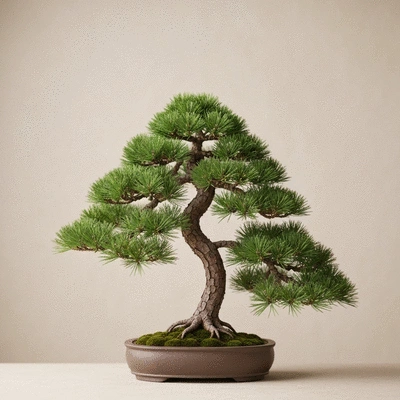
Spring: New Growth & Balanced Diet
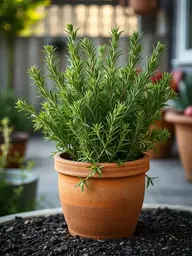
Deciduous: Balanced fertilizer for new leaf growth.
Conifer: Slow-release for steady nutrients.
Tropical: High-nitrogen for lush foliage.
Begin as new growth emerges.
Join Clara M. Greene's community for expert tips and seasonal guides tailored for American gardeners.
Posted on: 2026-05-24
By: Clara M. Greene
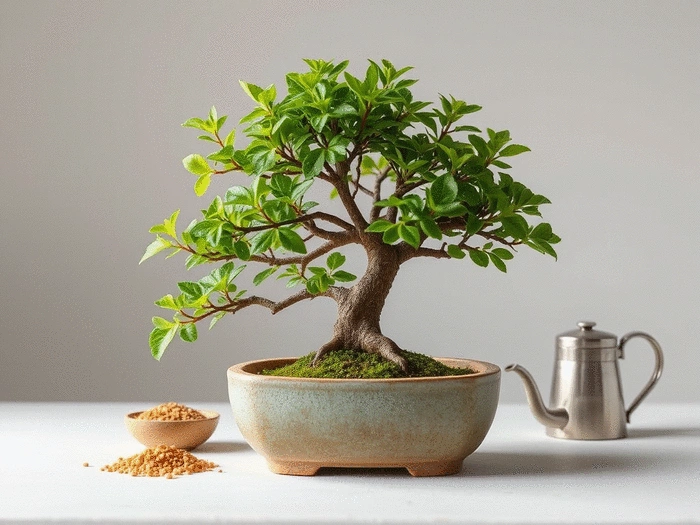
Properly fertilizing your bonsai can be the difference between a flourishing tree and a struggling one. With the right knowledge, you can ensure your bonsai thrives in every season. Here are the essential insights to help you care for your beloved trees.
Understanding when and how to fertilize your bonsai is key to its health. Here's a seasonal breakdown of fertilization strategies for different bonsai types. For more general plant care insights, check out our essential plant care checklist.
Deciduous: Balanced fertilizer for new leaf growth.
Conifer: Slow-release for steady nutrients.
Tropical: High-nitrogen for lush foliage.
Frequency: Every 2-4 weeks with diluted liquid.
Type: Higher potassium for flowering/fruiting.
Watering: Ensure adequate water in heat.
Reduce Feeding: As leaves drop.
Maintenance: Adequate water, avoid over-fertilization.
Dormancy: Little to no fertilizer.
Myth: No fertilizer for all bonsai.
Reality: Tropical may need minimal.
Signs: Diluted fertilizer if stressed.
As a dedicated gardener, I can tell you that understanding how to fertilize your bonsai tree is crucial for its health and growth. Fertilization plays a significant role in providing the nutrients that your bonsai needs to thrive. Just like any other plant, bonsai trees require a balanced diet of nutrients to support their growth and vitality. Ensuring the right levels of nitrogen, phosphorus, and potassium, along with other essential micronutrients, is vital for maintaining a flourishing bonsai.
Proper fertilization not only encourages strong root development but also enhances leaf color and promotes flowering in certain species. Without the right nutrients, your bonsai may show signs of stress, such as yellowing leaves or stunted growth. Remember, fertilizing isn't just about giving your plant a boost; it's about creating a healthy environment for it to develop fully!
Fertilizers serve as the primary source of nutrients for bonsai trees, mirroring their natural growing conditions. In the wild, trees receive nutrients from decaying leaves and organic matter. However, when grown in pots, bonsai trees rely on us to provide the right nutrients through fertilization. Here’s what you need to consider:
In addition to these primary nutrients, your bonsai will also benefit from micronutrients like iron and magnesium. These smaller elements are often overlooked, yet they play a vital role in ensuring your bonsai stays vibrant and healthy. By understanding the specific needs of your bonsai, you can tailor your fertilization approach for optimal results! For more tips on maintaining healthy soil, explore our guide on healthy soil for thriving gardens.
Timing is everything when it comes to bonsai fertilization! Different seasons influence your bonsai’s nutrient needs, and recognizing when to feed your tree can make all the difference. Let’s break down the seasonal factors:
Paying attention to your bonsai’s growth cycle will help you determine the best times to feed. By aligning your fertilization schedule with these natural rhythms, you can support your bonsai in reaching its fullest potential!
When spring arrives, it’s time to get your bonsai ready for a vibrant growing season! Each type of bonsai has specific fertilization needs during this time:
By tailoring your fertilization strategy to the specific type of bonsai you have, you can foster healthy growth. Don’t forget to monitor your trees closely; their needs may change as they respond to the warm weather!
As the summer heat sets in, your bonsai will demand different attention. This season is often characterized by rapid growth, which means adjusting your feeding routine!
Staying vigilant during the summer months will set the stage for a thriving bonsai! Watch for signs of nutrient deficiency, such as pale leaves, and adjust your fertilization accordingly.
As autumn approaches, it’s essential to prepare your bonsai for the upcoming winter months. This is when growth starts to slow down, and your fertilization approach should shift accordingly.
By tapering off your fertilization, you help your bonsai prepare for its restful period. This gradual transition can improve its resilience, ensuring a healthy start come spring!
During winter, many gardeners wonder whether their bonsai should receive any fertilizer at all. This season is indeed a time for dormancy, but there are some important considerations to keep in mind:
Understanding the unique needs of your bonsai during winter is key to its survival. By knowing when to fertilize or hold back, you can help your bonsai come through the colder months ready to thrive once again! For more in-depth information on bonsai care, consider our guide on caring for your bonsai tree.
To keep your bonsai thriving, consider using a fertilizer that is specifically formulated for bonsai trees. These fertilizers typically have a balanced NPK ratio tailored to meet the unique needs of bonsai species, ensuring your tree receives the right nutrients without the risk of over-fertilization.
A: The frequency of fertilization depends on the season and your bonsai type. During active growing seasons (spring and summer), most bonsai need feeding every 2-4 weeks. In autumn, reduce feeding, and during winter dormancy, most require little to no fertilizer, though some tropical species may need minimal, diluted feeding.
A: The primary nutrients are Nitrogen (N), Phosphorus (P), and Potassium (K). Nitrogen promotes leaf and stem growth, Phosphorus is essential for root development and flowering, and Potassium supports overall plant health and disease resistance. Micronutrients like iron and magnesium are also vital.
A: Yes, it's recommended to tailor your fertilizer. Deciduous bonsai generally benefit from a balanced fertilizer in spring. Conifers prefer slow-release formulas for steady nutrients. Tropical bonsai often need a high-nitrogen formula for lush foliage, especially in spring and summer.
A: Signs of over-fertilization include burnt leaf tips, stunted growth despite regular feeding, root damage, and a white crust forming on the soil surface. If you notice these signs, immediately flush the soil with water and reduce or temporarily stop fertilization.
A: It's generally best to wait a few weeks (typically 4-6 weeks) after repotting before resuming fertilization. Repotting causes stress to the roots, and adding fertilizer too soon can further damage them. Allow the tree time to recover and establish new feeder roots.
As we come to the end of our exploration into bonsai tree fertilization, it's essential to remember the key points we've discussed. Proper feeding is crucial for maintaining the health and vitality of your bonsai trees. By understanding the role of fertilizer, recognizing the right times to feed, and tailoring your approach based on the specific needs of different bonsai types, you're setting yourself up for a thriving garden!
We've also delved into the importance of choosing the right fertilizer, whether organic or synthetic, and the various feeding methods that work best for your bonsai. Additionally, recognizing common pitfalls, such as overfeeding, can help prevent stress and damage to your cherished plants. All these insights are designed to empower you as a home gardener!
Now that you're armed with this knowledge, here are some actionable steps to implement in your bonsai care routine:
By taking these steps, you can foster a beautiful and resilient bonsai that reflects your dedication as a gardener. Remember, every bonsai is unique, and observing how it responds will guide you to success! For guidance on choosing the right tools for your gardening needs, explore our article on essential tools for new gardeners.
I'd love to hear about your bonsai journey! Have you tried any of the tips mentioned in this guide? Or do you have questions about specific challenges you face with your bonsai? Please feel free to share your experiences or queries in the comments section below. At All American Gardeners, we believe that sharing our gardening stories enriches our community, and I’m here to help you every step of the way!
Here is a quick recap of the important points discussed in the article: