Beginner-Friendly
Bonsai Species
- ✓ Ficus Bonsai
- ✓ Dwarf Jade Bonsai
- ✓ Fukien Tea Bonsai
- ✓ Hawaiian Umbrella Bonsai
- ✓ Chinese Elm Bonsai
Join Clara M. Greene's community for expert tips and seasonal guides tailored for American gardeners.
Posted on: 2026-03-29
By: Clara M. Greene
Did you know that indoor bonsai trees can enhance your living space's tranquility and beauty? If you’re a beginner looking to cultivate this artful practice, you’re in for a rewarding journey!
Explore the key factors for selecting and caring for your first indoor bonsai, from species recommendations to essential care tips.
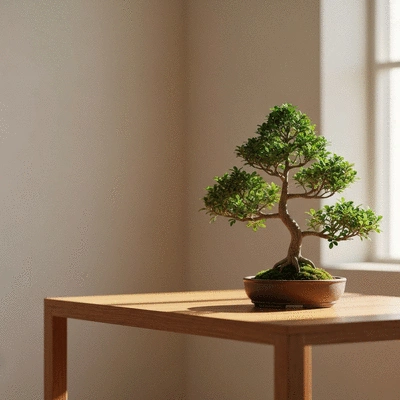
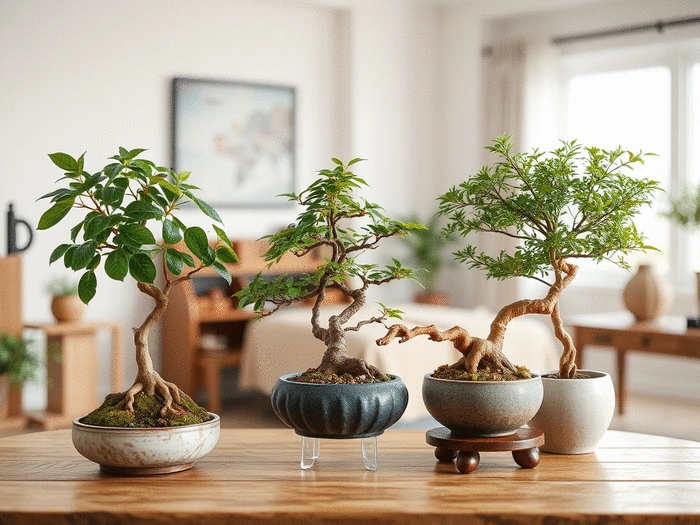
Bonsai trees are not just plants; they are a form of art! As a passionate gardener, I absolutely love how indoor bonsai trees bring a sense of tranquility and beauty to any space. If you’re just starting your journey into the world of bonsai, you’ll be happy to know that these majestic little trees are perfect for beginners. Let’s explore why they’re ideal for you!
First off, let’s talk about low maintenance. Many indoor bonsai varieties require minimal care, making them perfect for those just getting the hang of gardening. You don’t need to be a seasoned expert to keep them alive and thriving! For more general guidance on nurturing your green companions, check out these plant care tips for home gardeners.
Moreover, growing a bonsai tree can be a very rewarding experience. You get to witness the beauty of nature while practicing patience and nurturing skills. Plus, there’s something truly satisfying about shaping a tree over time!
When it comes to care, indoor bonsai trees are generally forgiving. Most species don’t demand much beyond the basics—adequate light, water, and the right potting conditions. This makes them a wonderful entry point into the world of gardening.
With just a little bit of effort, you'll find that these trees can flourish right on your windowsill! Remember, they thrive best in stable environments, away from harsh drafts or direct heat.
Aside from their aesthetic appeal, indoor bonsai offer several benefits:
As I’m sure you’ll discover, cultivating a bonsai tree can also deepen your connection with nature right in the comfort of your home. It’s a lovely way to bring a piece of the outdoors inside! Understanding the essential plant care checklist can further enhance your success.
Ready to select your first indoor bonsai? Before you dive in, there are some important factors to consider. The right choice can make all the difference in your gardening experience!
Tropical bonsai trees, such as Ficus or Fukien Tea, are excellent choices for beginners. They typically require bright, indirect light. Make sure you place them near a window where they can soak up the sun without being scorched. If natural light is limited, consider using grow lights to help them thrive.
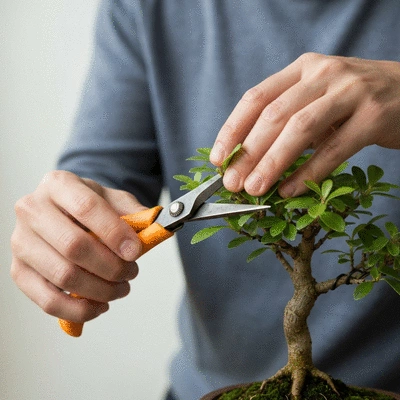
Watering can be tricky, but remember to keep the soil moist without overwatering it. Stick your finger about an inch into the soil—if it feels dry, it’s time to water! And don’t forget about pruning. Regular trimming helps maintain the shape and health of your bonsai. It’s all part of the journey!
Lastly, the pot you choose plays an essential role in the health of your bonsai. Opt for a pot with good drainage that allows excess water to escape. The right pot will support healthy root growth and contribute to your tree’s overall vitality!
With these foundational tips in mind, you’ll be well on your way to cultivating your very own indoor bonsai masterpiece. Each tree is unique, just like you, and growing them can be a fulfilling adventure! Happy gardening! For more detailed guidance, consider exploring a bonsai tree starter kit to get all the essentials.
As you embark on your bonsai journey, what challenges or questions do you have? Share your thoughts below:
Indoor bonsai varieties are often low maintenance, adapt well to indoor environments with fewer pests, and offer instant gratification due to their compact size, making them perfect for new growers.
Recommended species include Ficus Bonsai, Dwarf Jade Bonsai, Fukien Tea Bonsai, Hawaiian Umbrella Bonsai, and Chinese Elm Bonsai, as they are resilient and forgiving.
Most indoor bonsai (especially tropical varieties) require bright, indirect light. For watering, keep the soil moist but not waterlogged; water when the top inch of soil feels dry.
Indoor bonsai can improve air quality, enhance mood, reduce stress levels, and serve as beautiful decorative pieces and conversation starters, connecting you with nature indoors.
You can purchase bonsai trees from local nurseries (for hands-on advice), online retailers (for wider selection), or bonsai specialty stores (for high-quality trees and tools).
As we've explored the world of indoor bonsai trees, it's clear that these miniature marvels offer a delightful blend of beauty and tranquility. Whether you're a novice or someone looking to expand your green thumb, choosing the right species is crucial for your success. Here’s a quick recap of the top indoor bonsai trees that are perfect for beginners!
First things first: understanding the unique needs of each bonsai species will set you up for success. Here’s a summary of the recommended species that I believe every beginner should consider:
By starting with these species, you can ensure that your indoor bonsai journey is both enjoyable and fruitful! Remember, the key to thriving bonsai is consistent care and attention.
When selecting a bonsai, consider not only their aesthetic but also how they fit your lifestyle. Each species has distinct care needs, and understanding these will help you create a nurturing environment. Don't hesitate to reach out if you're unsure which bonsai suits your home best—I’m always here to help guide you!
Before you dive in, here are a few final tips to keep in mind:
With these tips in your toolkit, you're well on your way to becoming a confident bonsai grower!
Ready to bring a piece of nature into your home? Let’s get started on your indoor bonsai journey! I’m excited for you to embark on this adventure, and there are many ways to source your first bonsai tree.
Finding the right place to purchase your bonsai can make all the difference. Here are some options to consider:
Each option has its benefits, so weigh them based on your budget and preferences. Local nurseries may charge more, but you gain the advantage of firsthand expertise and support—which is invaluable as a beginner!
Don't go at it alone! Engaging with the bonsai community can enhance your experience and provide ongoing support.
By connecting with seasoned bonsai enthusiasts, you gain access to a wealth of knowledge. You can discover best practices, troubleshooting tips, and even find inspiration for your bonsai styling!
Consider joining a local bonsai club or attending workshops. Not only do these platforms offer hands-on learning experiences, but they also allow you to meet fellow gardeners who share your passion. Remember, growing bonsai is not just about the plants; it's about building a nurturing community!
Here is a quick recap of the important points discussed in the article: