Consider this: over 40% of urban dwellers are embracing gardening as a way to reconnect with nature and enhance their living spaces. What if you could optimize your gardening experience with a simple yet effective solution? Concrete block raised garden beds might just be the answer!
What You Will Learn
Concrete block raised garden beds are durable, low-maintenance, and weather-resistant, making them a smart long-term investment.
These beds provide enhanced soil retention and improved drainage, promoting healthier plant growth.
In urban environments, concrete blocks maximize space efficiency, allowing for diverse plant growth even in small areas.
Concrete blocks offer greater insulation and stability compared to cinder blocks, ensuring optimal conditions for your plants.
Companion planting can enhance the productivity of your concrete block garden by pairing beneficial plants together.
Proactive pest management strategies are essential for maintaining a healthy garden, utilizing barriers, natural predators, and organic treatments.
Concrete Block vs. Cinder Block Comparison & Raised Bed Benefits Overview
This visual outlines the key differences between concrete blocks and cinder blocks for raised garden beds, alongside the general advantages of using concrete blocks for gardening. For more insights into optimizing your gardening space, consider exploring the benefits of raised garden beds.
Insulation: Less effective at moderating soil temperature.
Urban Gardening Benefits with Concrete Blocks
Space Efficiency: Maximizes limited outdoor areas.
Enhanced Soil Quality: Control over soil mix for healthier plants.
Accessibility: Elevated design for easier gardening.
Understanding the Benefits of a Concrete Block Raised Garden Bed
Gardening can be a fulfilling journey, and one of the most effective ways to enhance your gardening experience is by exploring the world of concrete block raised garden beds. These sturdy structures provide a plethora of benefits that can transform your gardening practices. Let’s dive into what exactly a concrete block raised garden bed is and why it might be the perfect addition to your outdoor space!
What is a Concrete Block Raised Garden Bed?
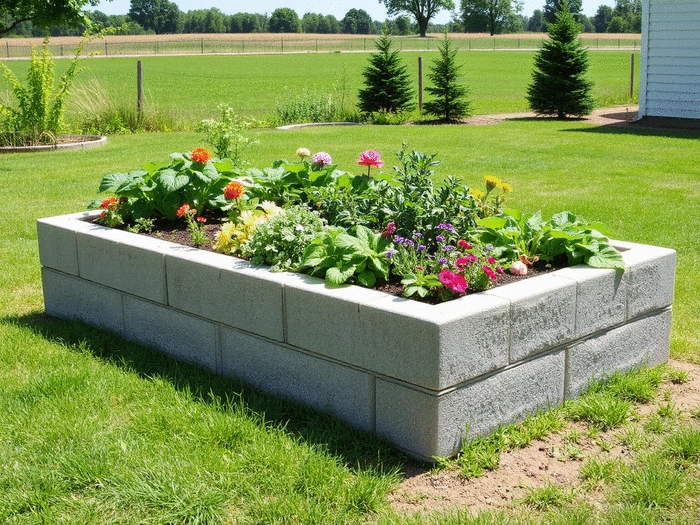
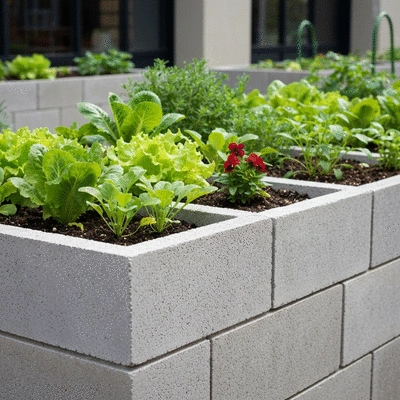
A concrete block raised garden bed is exactly what it sounds like—a garden bed constructed using concrete blocks! These blocks are stacked together to form a contained space for soil and plants, elevating the garden above ground level. This design not only makes it easier to manage your plants but also provides better drainage and soil warmth. It's a great option for urban gardeners or anyone looking to create a defined planting area.
Creating a concrete block raised bed can be a DIY project that adds a personal touch to your garden. You can customize the size and shape to fit your yard or balcony, making it an adaptable choice for various gardening needs.
Key Advantages of Using Concrete Blocks
Durability: Concrete blocks are weather-resistant and will last for years, making them a long-term investment for your garden.
Low Maintenance: These blocks require minimal upkeep compared to traditional wood beds, which can rot or warp over time.
Soil Retention: The solid walls help retain soil moisture, reducing the need for frequent watering.
Weed Control: Raised beds can help deter weeds, giving your plants a better chance to thrive without competition.
With these benefits, it’s clear why many gardeners are opting for concrete block raised beds to support their gardening endeavors. Plus, the robust structure means you won’t have to worry about rebuilding your garden bed every season! If you're considering other ways to optimize your planting space, learn more about exploring vertical garden benefits.
Comparative Analysis: Concrete Blocks vs. Cinder Blocks
When considering materials for your raised garden bed, it’s crucial to understand the difference between concrete blocks and cinder blocks. While both materials can be used for building, they have distinct characteristics that can affect your gardening experience.
Composition: Concrete blocks are made from a mixture of cement, sand, and aggregates, offering greater strength and durability. Cinder blocks, on the other hand, are lighter and often contain hollow cores filled with air.
Weight: Concrete blocks are heavier, providing better stability for your garden bed, especially in windy conditions.
Insulation: Concrete blocks offer better insulation for the soil, promoting healthier plant growth as they help moderate temperature fluctuations.
Ultimately, while cinder blocks may be cheaper, using concrete blocks is a wise choice for the longevity and effectiveness of your garden bed!
Benefits of Using Concrete Blocks for Urban Gardening
Urban gardening presents unique challenges, but concrete block raised garden beds can turn potential obstacles into advantages. In limited space, these beds offer a compact solution that maximizes your gardening area, allowing you to grow a variety of plants, even in small backyards or patios.
Space Efficiency: The vertical nature of raised beds means you can utilize every inch of your outdoor space, making them perfect for city dwellers.
Enhanced Soil Quality: You have control over the soil mix used in your raised bed, which can lead to healthier plants and better yields.
Accessibility: The elevated design makes gardening easier for individuals with limited mobility, allowing for seated gardening or less bending over.
As a passionate gardener, I’ve seen firsthand how concrete block raised beds can empower city gardeners to cultivate lush and vibrant spaces—even in the most confined areas!
Pro Tip
To enhance the longevity of your concrete block raised garden bed, consider applying a sealer to the blocks. This will help prevent moisture absorption and reduce the risk of cracking during extreme temperature fluctuations. Additionally, using a mix of organic compost within your soil can further enrich the growing environment for your plants, leading to healthier and more vibrant growth!
Frequently Asked Questions About Concrete Block Raised Garden Beds
Here are some common questions about concrete block raised garden beds:
Are concrete blocks safe for gardening? Yes, modern concrete blocks are generally safe for gardening. They are inert and do not leach harmful chemicals into the soil. However, it’s best to avoid older cinder blocks, which might contain fly ash.
How do concrete blocks compare to wood for raised beds? Concrete blocks offer superior durability and are weather-resistant, unlike wood which can rot or warp. They also require less maintenance and provide better insulation.
Do concrete blocks provide good drainage? Raised beds naturally improve drainage. While concrete blocks themselves are solid, the elevated design and proper soil layering within the bed ensure excellent water management.
Can concrete block raised beds be used in small spaces? Absolutely! Their modular nature allows for flexible designs, making them ideal for maximizing growing space in urban environments, small backyards, or patios.
What are the main advantages of using concrete blocks over cinder blocks? Concrete blocks are stronger, heavier, and provide better insulation for the soil. Cinder blocks are lighter and less stable, and might not offer the same level of temperature moderation.
Making the Most of Your Concrete Block Raised Garden Bed
Creating a concrete block raised garden bed is a fantastic way to grow your favorite plants while tackling some common gardening challenges! However, no garden is without its hurdles. I want to share some tips on how to navigate potential issues and make the most out of your garden space.
Common Challenges and Troubleshooting Tips
When gardening with concrete blocks, you might face a few challenges along the way. Here are some common issues and simple solutions to keep your garden thriving:
Drainage Issues: Ensure that your garden bed has proper drainage. If water tends to pool, consider adding a layer of gravel or sand at the bottom.
Soil Compaction: Over time, the soil in your raised bed can compact. Regularly fluffing the soil and adding organic matter can help improve aeration.
Heat Retention: Concrete blocks can absorb heat. Make sure to monitor your plants during hot weather, as they may need extra watering.
Pest Invasion: Keep an eye out for pests. Implementing preventive measures can save you a lot of headaches later! For more comprehensive pest solutions, consider these natural pest control for gardens tips.
By staying alert to these challenges and applying a little elbow grease, you'll keep your garden healthy and productive!
Comparative Perspectives: Concrete vs. Wood and Other Materials
When deciding on materials for your garden bed, it's essential to weigh your options. Here’s how concrete blocks stack up against wood and other materials:
Durability: Concrete blocks stand the test of time, resisting rot and pests unlike wood.
Customization: Concrete allows for more creative shapes and layouts, while wood typically has more limitations.
Cost: While initial costs may be higher for concrete, the longevity can lead to savings over time.
Insulation: Concrete maintains soil temperatures better, which can benefit your plants.
Choosing the right material is crucial for your gardening success. I personally love the versatility and durability of concrete blocks, as they truly enhance my gardening experience!
Enhancing Your Garden with Companion Planting Techniques
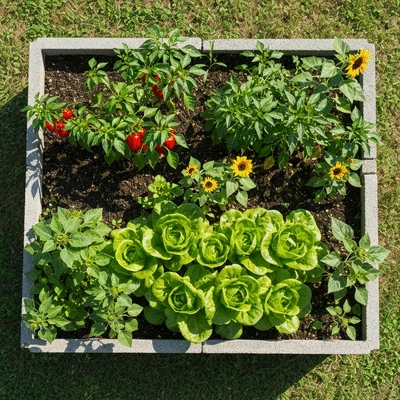
Companion planting is a fantastic way to maximize your space and optimize plant health. Pairing certain plants can lead to better growth and pest control, making your concrete block garden even more fruitful! Here are some great combinations:
Tomatoes and Basil: This classic duo not only tastes great together but also helps deter pests.
Carrots and Onions: These two plants can grow harmoniously, with onions helping to repel carrot flies.
Marigolds and Vegetables: Marigolds attract beneficial insects and deter harmful pests.
By incorporating companion planting, you can create a more resilient and vibrant garden. I’ve seen incredible results from these pairings in my own garden!
Effective Pest Control Strategies for Your Raised Garden Bed
Pest management is vital for keeping your garden healthy. Implementing effective strategies can save your plants and ensure robust growth:
Physical Barriers: Use row covers or netting to protect your plants from pests.
Natural Predators: Attract beneficial insects like ladybugs and lacewings to your garden.
Organic Treatments: Consider using neem oil or insecticidal soap as a safe way to combat pests.
Regular Monitoring: Keep a close eye on your plants and catch infestations early!
By being proactive and using these strategies, you’ll create a thriving environment for your plants while minimizing pest damage! To further nurture your garden, consider exploring healthy soil for thriving gardens.
Recap of Key Points
Here is a quick recap of the important points discussed in the article:
Durability: Concrete blocks are long-lasting and weather-resistant, making them a wise investment for your garden.
Low Maintenance: Unlike wooden beds, concrete blocks require minimal upkeep and are less prone to rot.
Space Efficiency: Ideal for urban gardening, raised beds maximize limited outdoor space.
Soil Quality: Control over the soil mix in raised beds leads to healthier plants and better yields.
Pest Management: Implement strategies like physical barriers and attracting beneficial insects to protect your garden.
Subscribe & Share
2026-08-28
Growing Herbs with Hydroponics
Why settle for store-bought herbs when you can grow your own at home, in any space? Hydroponic garde
2026-08-27
Growing Sweet Corn from Seeds
Ready to transform your gardening experience? Selecting the right sweet corn seeds can make all the
Growing Your Own Garlic Bulbs
As you prepare to embark on your journey of growing garlic, consider this: garlic cultivation isn't
All American Gardeners
Your premier online resource for mastering home gardening across the U.S. We empower American home gardeners with expert tips, step-by-step guides, and sustainable practices for thriving outdoor spaces.
Trusted by gardeners nationwide, our mission is to provide reliable, easy-to-follow insights backed by Clara M. Greene's extensive horticulture experience and practical advice.