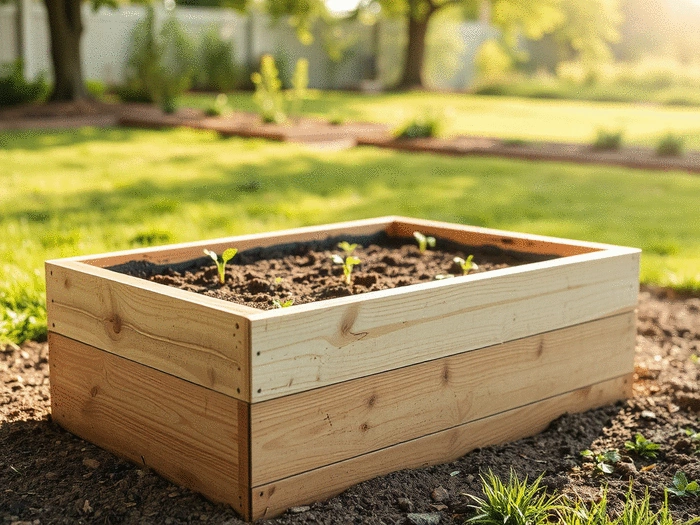
Choosing the Right Wood: Durability & Safety
- • Rot-resistant woods: Cedar, Redwood, Cypress (10-20 years lifespan).
- • Avoid: Treated wood (chemicals leach).
- • Untreated Pine: Approx. 5-7 years.
Join Clara M. Greene's community for expert tips and seasonal guides tailored for American gardeners.
Posted on: 2026-03-12
By: Clara M. Greene
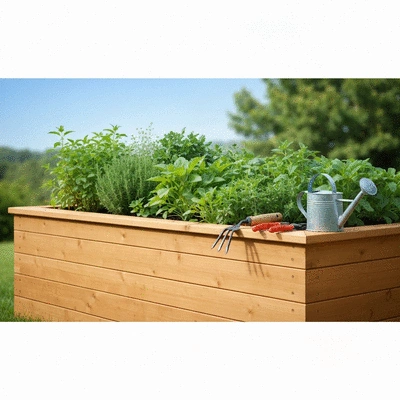
Thinking about enhancing your gardening game? Wooden raised garden beds could be the game-changer you need! With their practicality and aesthetic appeal, they're a favorite among home gardeners. Let’s uncover the essential insights from this guide.
Here's a visual summary of the key factors to consider when building and maintaining your wooden raised garden bed, focusing on wood choice, lifespan, and construction basics.
Are you thinking about starting your own vegetable garden? A wooden raised garden bed could be the perfect solution to enhance your gardening experience! These beds are not only practical but also add a touch of charm to your outdoor space. Let's explore the benefits that make wooden raised garden beds a popular choice among home gardeners.
First off, they provide excellent soil control, allowing you to create a custom soil mix that suits your plants. This is especially beneficial if your native soil is rocky or filled with clay. Additionally, wooden raised beds offer improved drainage, which is crucial for preventing waterlogging and ensuring healthy root growth. And let’s not forget about aesthetics! A well-constructed wooden bed can really elevate the look of your garden. If you're looking for more general advice on garden structures, check out our tips for building garden beds.
These benefits combine to create a delightful gardening experience, especially for those of us who cherish our time spent outdoors! So, are you ready to dig in?
When selecting wood for your raised garden bed, durability and safety are paramount. Opt for rot-resistant woods like cedar, redwood, or cypress. These types of wood not only resist decay but also add a natural beauty to your garden layout. It’s very important to avoid using treated wood, especially if you plan on growing edible plants, as the chemicals can leach into the soil and pose health risks.
In my experience, using untreated cedar is a fantastic choice! It has a lovely aroma and naturally repels insects. Plus, it will last for many years without much maintenance.
The lifespan of your wooden raised garden bed largely depends on the type of wood you choose. Cedar and redwood can last 10 to 20 years, while untreated pine typically lasts about 5 to 7 years. To extend the life of your garden bed, consider applying a natural, non-toxic wood preservative. Regular inspections for signs of wear, such as cracks or rot, can help you address issues before they worsen. For more ways to maintain your garden's health, explore our guide on essential plant care checklist.
Remember, maintaining your garden bed is part of the joy of gardening! Taking a few minutes each season to check for damage will ensure your beds remain a thriving home for your plants.
Standard dimensions for raised garden beds generally range from 4x4 feet to 4x8 feet. These sizes are manageable and provide ample space for various plants. If you’re short on space or gardening in a confined area, you might consider narrower beds, like 2x4 feet, or even vertical gardening options to maximize your growing area.
When planning your dimensions, think about what you want to grow and the regional variations that might influence your choices. For instance, if you're in a colder climate, taller beds can help your plants stay warmer!
Building a wooden raised garden bed doesn’t have to break the bank! Consider sourcing repurposed wood from local construction sites or community swap groups. Not only is this an excellent way to save money, but it also promotes sustainability. You can also opt for DIY projects using pallets or leftover wood, which can be fun and rewarding.
Moreover, using reclaimed wood brings a unique character to your garden beds. Each piece tells a story, adding charm as you cultivate your plants. Isn’t that what gardening is all about?
Ready to build your wooden raised garden bed? Here’s a list of essential materials and tools you’ll need:
Gathering these materials ahead of time will make your building process smoother! Having everything on hand means you won’t be scrambling to finish your project.
Now, let’s dive into the construction process! Here’s a simple step-by-step guide to help you get your wooden raised garden bed built:
Once your garden bed is built, it’s time to let your imagination run wild with planting! Don’t forget to enjoy the process—gardening is all about learning and growing! For those new to gardening, these organic gardening tips for beginners can provide additional guidance.
A: Wooden raised garden beds offer enhanced soil control, improved drainage, aesthetic appeal, easier access for gardening tasks, and an extended growing season due to warmer soil temperatures.
A: For durability and safety, rot-resistant woods like cedar, redwood, and cypress are recommended. You should avoid using treated wood, especially for edible plants, as chemicals can leach into the soil.
A: The lifespan depends on the wood type. Cedar and redwood can last 10-20 years, while untreated pine typically lasts 5-7 years. Applying a natural, non-toxic wood preservative and regular inspections can extend their life.
A: Standard dimensions range from 4x4 feet to 4x8 feet, but smaller or vertical options are available for limited spaces. Yes, using repurposed wood from construction sites or pallets is a cost-effective and sustainable option.
A: Use a good soil mix including compost, garden soil, and peat moss. Select plants that thrive in raised beds, such as tomatoes, peppers, basil, and lettuce. Ensure proper plant spacing and consider sunlight requirements for optimal growth.
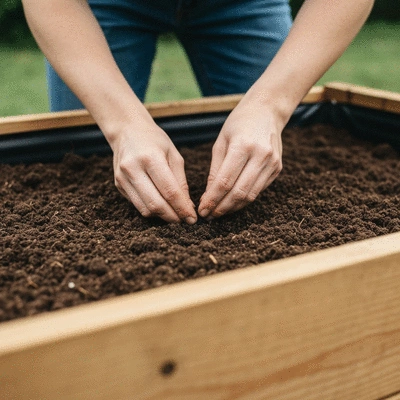
Choosing the right soil mix is vital for the success of your raised garden bed. A good mix typically includes compost, garden soil, and peat moss to retain moisture. As for plant selection, consider growing a mix of vegetables and herbs that thrive in a raised bed environment.
Some popular choices include tomatoes, peppers, basil, and lettuce. These plants not only grow well together but also provide delicious harvests for your kitchen!
Weed control can be one of the biggest challenges with raised garden beds. A thick layer of mulch can help suppress weeds while keeping your soil moisture intact. Regularly adding compost to replenish nutrients will keep your plants thriving over time.
Remember, taking proactive steps now will save you time and effort later. Plus, it’s a great way to ensure your plants stay healthy and productive!
Proper plant spacing is essential for maximizing growth and minimizing competition. Be sure to follow spacing recommendations specific to each type of plant. Additionally, consider the sunlight requirements of your chosen plants. Most vegetables thrive in full sun, so aim for at least six hours of direct sunlight per day.
Arranging your plants based on their height and sunlight preference can also optimize your garden’s layout. Taller plants should be placed on the north side, while shorter plants can occupy the southern area of the bed.
Companion planting can significantly enhance your raised garden bed experience. Certain plants, when grown together, can promote growth and deter pests. For example, planting basil alongside tomatoes can improve flavor and repel pests!
Experimenting with companion planting techniques can lead to a vibrant and productive garden. It’s all about finding the right combinations that work for you. Happy gardening!
As you embark on your gardening journey, we’d love to hear from you! What type of plants are you most excited to grow in your raised garden bed?
As we explore the world of wooden raised garden beds, it's clear that they offer a multitude of benefits for any gardener! Not only do they provide excellent soil control and drainage, but they also enhance the aesthetics of your garden. However, with these benefits come responsibilities that you'll want to embrace fully. Maintaining your raised bed is crucial for ensuring it continues to support your thriving plants year after year.
Having a wooden raised garden bed means taking on the role of caretaker for your plants and soil. Here are some key advantages and responsibilities to consider:
Embracing these responsibilities will not only enhance your gardening success but will also deepen your connection to nature. Remember, just like plants, your gardening skills will grow and flourish with time and care!
Ready to dive into your gardening project? All American Gardeners is here to support you every step of the way! We offer downloadable plans to help you visualize your raised garden bed and kickstart your project. Plus, don’t hesitate to share your gardening adventures with our community. Engaging with fellow gardeners can spark new ideas and provide valuable insights!
Connecting with like-minded garden enthusiasts adds an extra layer of joy to your gardening journey. Together, we can cultivate a thriving community!
Every gardening journey begins with a single seed, and your adventure starts now! The satisfaction of watching your plants grow, blossom, and bear fruit is unlike any other. Don’t forget—the act of gardening is as much about the process as it is about the final product. The lessons learned, the challenges faced, and the triumphs celebrated will stay with you for a lifetime!
As you embark on this journey, consider integrating sustainable gardening practices into your routine. Methods like organic gardening and crop rotation not only benefit your garden but also contribute to the health of our planet. Here are some sustainable practices to think about:
By adopting these practices, you’ll be on your way to not just a beautiful garden, but also a sustainable gardening legacy. Let’s nurture the earth together and enjoy the fruits of our labor!
Here is a quick recap of the important points discussed in the article: