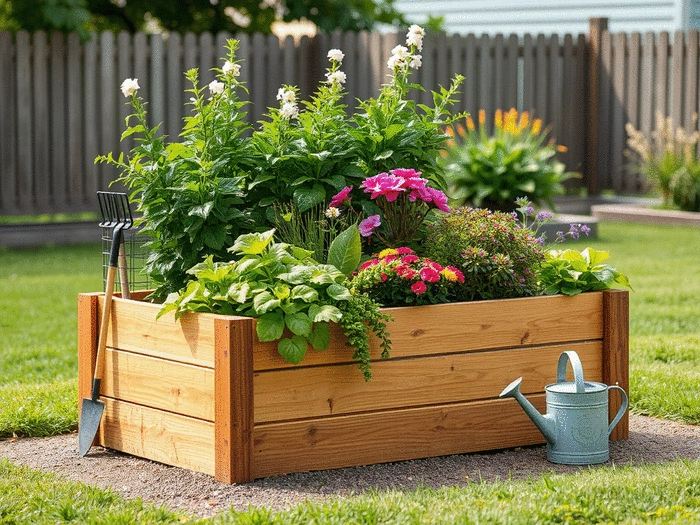
Did you know that using cedar for raised garden beds can not only enhance your garden's aesthetics but also promote sustainable gardening practices? Let's explore the key advantages and features of cedar that make it a top choice for gardeners!
What You Will Learn
Cedar's natural resistance to rot and insects means longer-lasting garden beds without harmful chemicals.
Cedar raised garden beds can last 15-25 years, significantly outlasting alternatives like treated pine and composites.
The customizable dimensions and heights of cedar beds improve accessibility and plant growth.
Using cedar aligns with sustainable gardening by supporting local forestry and reducing chemical use.
Cedar oil serves as a natural pest repellent, promoting a healthier gardening environment.
Informed gardening choices, such as selecting cedar, contribute to long-term savings and a thriving ecosystem.
Cedar vs. Other Materials: Durability and Cost Comparison
This visual presents a comparison of cedar with other common garden bed materials, highlighting durability and cost considerations. For more insights on maximizing your garden's potential, consider the benefits of raised garden beds.
Cedar: Natural Durability & Longevity
🌲
**Lifespan:** 15-25 years without chemical treatment.
Naturally resistant to rot and insects due to oils.
Safer for plants and environment; no chemical preservatives needed.
Higher initial cost, but long-term savings due to extended lifespan.
Investment in the future of your garden.
Treated Pine: Shorter Lifespan
🪵
**Lifespan:** 5-10 years.
Cheaper initial cost.
May require chemical treatments that can leach into soil.
Shorter durability leads to earlier replacement costs.
Composite Materials: Durable & Pricey
♻️
**Durability:** High.
Very durable, often weather-resistant.
Can be significantly pricier than wood options.
May contain plastics; environmental impact varies.
Understanding Cedar Raised Garden Beds and Their Benefits
If you're looking to create a thriving garden, cedar raised garden beds can be a fantastic choice! These structures not only enhance your garden's aesthetics but also offer numerous practical benefits. Let's dive into why cedar is a preferred material for garden beds and how it aligns with sustainable gardening practices.
Choosing the right materials for your garden can feel overwhelming. But, trust me, understanding the advantages of cedar will make your decision much easier!
Why Choose Cedar for Your Raised Garden Bed?
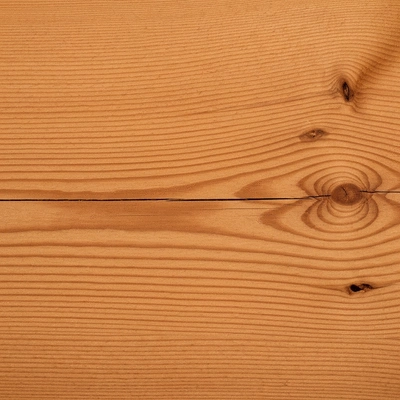
Cedar wood is renowned for its unique properties that make it ideal for outdoor use. One of the most significant benefits is its natural resistance to rot and insects. This means your garden bed will last longer without the need for harmful chemical treatments!
Rot Resistance: Cedar contains natural oils that prevent decay.
Insect Resistance: Pests are less likely to bother cedar, which helps protect your plants.
Aesthetic Appeal: Cedar’s warm, rich color enhances the beauty of any garden.
These features not only extend the lifespan of your garden beds but also provide a healthier environment for your plants to flourish. It's this combination of durability and beauty that makes cedar such a popular choice among gardeners.
The Natural Advantages of Cedar’s Rot and Insect Resistance
Many gardeners, myself included, appreciate cedar for its natural resistance to the elements. This wood doesn’t require chemical preservatives to resist rot, making it a safer choice for your plants and the environment. Additionally, the oils in cedar naturally deter insects, reducing the need for chemical pest control. This aligns perfectly with my mission at All American Gardeners to promote sustainable gardening practices. For more on keeping your garden healthy, explore effective natural pest control tips.
Comparing Cedar to Other Materials: A Durability Perspective
When considering materials for garden beds, it’s essential to compare their durability. While treated pine may be cheaper, its lifespan is significantly shorter than cedar's. Here’s a quick comparison:
Cedar: Can last 15-25 years without chemical treatment.
Treated Pine: Usually lasts around 5-10 years.
Composite Materials: Durable but can be pricier and may contain plastics.
Investing in cedar not only provides long-term savings but also contributes to a healthier garden ecosystem.
Key Features of Cedar Raised Garden Beds
Understanding the key features of cedar raised garden beds can help you make informed decisions. They come in various dimensions and heights, allowing you to customize your garden to your needs.
When you're designing your garden, consider how these features can improve accessibility and plant growth!
Dimensions and Heights: What You Need to Know
Cedar raised garden beds can be tailored to fit any space. Common dimensions include:
4x4 feet: Perfect for small spaces and beginners.
4x8 feet: Offers ample room for diverse plants.
Height options: 6, 12, and even 24 inches for easy access.
Selecting the right dimensions ensures that your garden is not only functional but also appealing to the eye. Plus, taller beds mean less bending over, making it easier to tend to your plants!
The Design Benefits: Open-Bottom and Elevated Structures
Another great feature of cedar raised garden beds is their design flexibility. Open-bottom structures allow roots to reach into the native soil, which can improve drainage and nutrient access. Elevated beds, on the other hand, provide excellent drainage and reduce soil compaction.
Open-Bottom Design: Promotes healthy root growth.
Elevated Structures: Ideal for those with limited mobility.
Customizable Designs: You can create shapes and layouts that suit your garden’s aesthetics.
This versatility helps you create a garden that not only looks great but also performs well, helping your plants thrive in the long run.
Exploring How Cedar Wood Contributes to Sustainable Gardening
When we think about sustainable gardening, the materials we use play a crucial role. Cedar is an excellent choice not just for its longevity, but also for its environmental impact.
Utilizing cedar in your gardening projects can significantly align with eco-friendly practices, which I wholeheartedly endorse at All American Gardeners. For guidance on creating a thriving planting environment, take a look at our healthy soil for thriving gardens guide.
The Environmental Impact of Choosing Cedar for Your Garden
Choosing cedar as a material for your raised beds supports sustainability by:
Supporting Local Forestry: Many cedar options are sourced sustainably.
Reducing Chemical Use: Cedar doesn’t need chemical treatments.
Biodegradability: When the bed is no longer usable, cedar decomposes naturally.
By opting for cedar, you’re not just enhancing your garden; you’re making a positive impact on the environment!
Using Cedar Oil for Natural Pest Control in Your Garden
Another fantastic aspect of cedar is its oil, which can act as a natural pest repellent. Incorporating cedar oil into your gardening routine can help keep unwanted insects at bay!
You can easily use it in homemade sprays to protect your plants from pests without resorting to harmful chemicals—something I love to recommend to my fellow gardeners.
As you can see, cedar raised garden beds are not only beautiful but also incredibly functional and environmentally friendly. With their numerous benefits, they’re a great investment for any gardener looking to cultivate a vibrant and sustainable garden!
Interactive Poll: Your Gardening Preferences
As you consider incorporating cedar raised garden beds into your gardening projects, we’d love to hear your thoughts! Which feature of cedar raised beds excites you the most?
Frequently Asked Questions About Cedar Raised Garden Beds
Q: How long do cedar raised garden beds typically last?
A: Cedar raised garden beds can last between 15 to 25 years without chemical treatment, thanks to cedar's natural resistance to rot and insects.
Q: Is cedar a sustainable choice for garden beds?
A: Yes, cedar is an excellent sustainable choice. It's often sourced from local forestry, doesn't require chemical treatments, and is biodegradable, making it environmentally friendly.
Q: What are the benefits of an open-bottom design for cedar raised beds?
A: An open-bottom design allows plant roots to extend deeper into the native soil, improving drainage and access to nutrients. This design promotes healthier root growth and can help prevent soil compaction.
Q: How does cedar compare to treated pine in terms of cost and durability?
A: While treated pine may have a lower initial cost, it typically lasts only 5-10 years and may contain chemicals that can leach into the soil. Cedar has a higher upfront cost but lasts 15-25 years, offering long-term savings and a chemical-free environment for your plants.
Q: Can cedar oil be used for natural pest control?
A: Yes, cedar oil acts as a natural pest repellent. It can be incorporated into homemade sprays to help protect your plants from unwanted insects without the need for harmful chemical pesticides.
Making Informed Choices for Your Gardening Journey
As you embark on your gardening adventure, making informed choices is crucial! One of the first decisions you’ll face is selecting the right materials for your garden beds. Cedar raised garden beds are undeniably a fantastic option, but it’s important to weigh the costs against alternatives like pressure-treated wood, which can impact both your budget and health.
Cost Considerations: Cedar vs. Alternatives Like Pressure-Treated Wood
When comparing cedar to pressure-treated wood, it’s essential to look beyond the initial price tag. Though pressure-treated wood may seem cheaper upfront, its longevity and environmental impact can lead to hidden costs. Cedar offers a natural durability and resistance to rot and insects, which can save you money in the long run.
Initial Cost: Cedar may have a higher initial cost but pays off over time.
Longevity: Cedar typically lasts longer than pressure-treated wood, reducing replacement costs.
Health Considerations: Cedar is a safer choice for growing edibles, free from harmful chemicals.
Maintenance: Cedar requires less maintenance, as it naturally resists rot.
Overall, investing in cedar is an investment in the future of your garden! With proper care and maintenance, a cedar bed can last for decades, making it a wise choice for sustainable gardening.
Integrating Garden Design Principles into Your Cedar Projects
Designing your garden isn't just about aesthetics; it’s about maximizing functionality! Understanding garden layout principles will ensure your plants thrive in their new cedar raised beds. Here are some key considerations to keep in mind:
Sunlight: Ensure your garden beds are placed in areas that receive adequate sunlight—ideally 6–8 hours a day.
Accessibility: Design your garden so that you can easily reach all plants for watering, weeding, and harvesting.
Plant Grouping: Group plants with similar water and sunlight needs to create harmony and efficiency.
Spacing: Give your plants enough space to grow, maximizing air circulation and minimizing disease.
By integrating these principles, you’ll not only enhance your garden’s productivity but also create a beautiful and enjoyable space!
Taking Action: Transform Your Gardening Experience
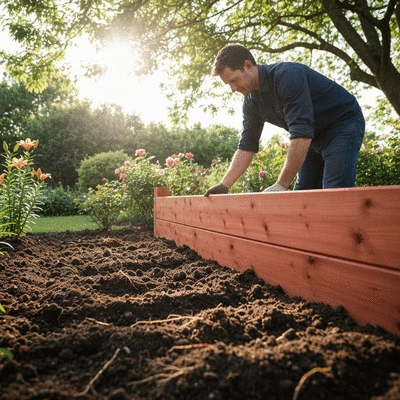
Now that you're informed about cedar raised garden beds, it’s time to take action! Here’s how you can start transforming your gardening experience today:
Where to Buy Cedar Raised Garden Beds: Top Recommendations
Finding quality cedar raised garden beds is essential for your project. Here are my top recommendations:
Local Garden Centers: Check with your nearby nurseries for high-quality cedar options.
Online Retailers: Websites like Amazon and Home Depot offer a variety of sizes and styles.
Custom Builds: Consider local carpenters or DIY kits for a personalized touch!
Whichever option you choose, ensure you select untreated cedar to keep your garden healthy and chemical-free.
Getting Started: Your First Steps Toward a Thriving Garden
To kick off your gardening journey, follow these simple steps:
Plan Your Garden: Determine what vegetables or flowers you want to grow and how much space you’ll need.
Prepare Your Site: Clear the area of grass and weeds, and level the ground where your garden bed will sit.
Build Your Cedar Bed: Refer to the step-by-step guide in this article to construct your raised bed with confidence!
Add Soil: Fill your bed with high-quality soil that suits your chosen plants.
With these steps, you’ll be well on your way to a thriving garden that reflects your hard work and passion!
Exploring Community Gardens and Local Gardening Workshops
Lastly, don’t underestimate the power of community! Joining a local gardening group or participating in workshops can provide you with invaluable knowledge and support. Here’s how you can get involved:
Community Gardens: Look for community gardens in your area where you can share resources and learn from fellow gardeners.
Workshops: Attend local gardening workshops to hone your skills and learn about specific techniques.
Online Forums: Join gardening forums or social media groups to connect with like-minded individuals.
Engaging with your community not only enhances your gardening knowledge but also fosters friendships that can enrich your gardening journey!
Recap of Key Points
Here is a quick recap of the important points discussed in the article:
Cedar's Natural Resistance: Cedar wood is naturally resistant to rot and insects, making it a durable choice for garden beds.
Longevity Benefits: Cedar raised garden beds can last 15-25 years without chemical treatments, unlike treated pine which lasts only 5-10 years.
Design Flexibility: Cedar beds can be customized in dimensions and designs, including open-bottom and elevated structures for improved drainage and accessibility.
Sustainable Choice: Cedar supports sustainable gardening by reducing chemical use and being biodegradable.
Cost-Effectiveness: While cedar may have a higher initial cost, its durability and lower maintenance needs result in long-term savings.
Subscribe & Share
2026-08-28
Growing Herbs with Hydroponics
Why settle for store-bought herbs when you can grow your own at home, in any space? Hydroponic garde
2026-08-27
Growing Sweet Corn from Seeds
Ready to transform your gardening experience? Selecting the right sweet corn seeds can make all the
Growing Your Own Garlic Bulbs
As you prepare to embark on your journey of growing garlic, consider this: garlic cultivation isn't
All American Gardeners
Your premier online resource for mastering home gardening across the U.S. We empower American home gardeners with expert tips, step-by-step guides, and sustainable practices for thriving outdoor spaces.
Trusted by gardeners nationwide, our mission is to provide reliable, easy-to-follow insights backed by Clara M. Greene's extensive horticulture experience and practical advice.