Cultivate Your Best Garden!

Join Clara M. Greene's community for expert tips and seasonal guides tailored for American gardeners.

Creating Your Own Garden Boxes


Creating Your Own Garden Boxes

Posted on: 2026-04-23
By: Clara M. Greene


Have you ever wondered how garden boxes can elevate your gardening game? These structures are not merely a trend; they offer practical solutions for both novice and seasoned gardeners alike, enabling better control over soil and plant health.

What You Will Learn

  • Garden boxes provide a defined growing space, improving soil quality and moisture retention.
  • Elevated structures make gardening accessible for all ages and abilities, reducing strain on the back and knees.
  • Different materials for garden boxes, like wood, plastic, and metal, each have unique benefits and drawbacks to consider.
  • Regular maintenance, including seasonal tasks, is essential for thriving garden boxes and healthy plants.
  • Organic pest control strategies can help maintain a healthy ecosystem within your garden box.

Garden Box Material Comparison

Different types of garden boxes offer unique advantages and disadvantages. This comparison highlights key features across wooden, plastic, and metal options.

Wooden Garden Boxes

  • Pros: Great insulation, natural look.
  • Cons: May rot over time, requires upkeep.
Natural & Insulating

Plastic Garden Boxes

  • Pros: Lightweight, rot-resistant, affordable.
  • Cons: Can fade in sunlight, less aesthetic.
Lightweight & Durable

Metal Garden Boxes

  • Pros: Extremely durable, modern look, longevity.
  • Cons: Can heat up quickly in the sun.
Modern & Long-lasting

Key Maintenance Practices

  • Regular Inspections (Pest/Disease)
  • Seasonal Tasks (Planting, Watering, Harvesting)
  • Organic Pest Control (Handpicking, Predators)
Essential for Thriving Plants

Understanding Garden Boxes: A Gateway to Sustainable Gardening

Have you ever considered how garden boxes can transform your gardening experience? These versatile structures are not just a trend; they're a practical solution for both novice and experienced gardeners. They provide a defined space to grow your plants, making it easier to manage soil quality, moisture, and sunlight exposure!

Using garden boxes enhances your garden's aesthetic appeal while promoting sustainable practices. They allow for better control over soil conditions, which is crucial for the health of your plants. Plus, they can be placed strategically to maximize sunlight, making them perfect for small spaces. For those looking to optimize their growing space, exploring vertical garden benefits could be a great next step.

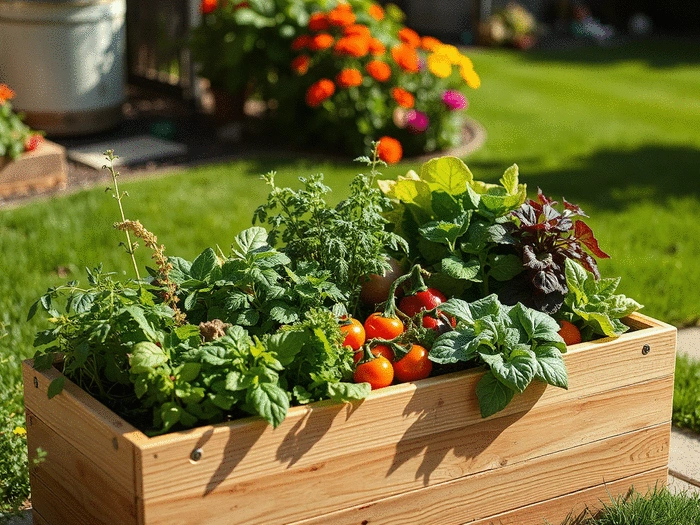
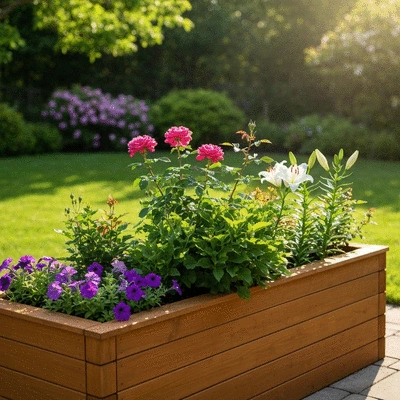
Modern wooden garden box filled with vibrant green plants and blooming flowers, in a sunny backyard setting

What Are Garden Boxes and Their Benefits?

  • Defined growing space for various plants
  • Improved soil quality and drainage
  • Accessibility for all ages and abilities
  • Reduced weed competition

Garden boxes, often referred to as raised beds, provide a clear boundary for your plants, offering numerous benefits. Not only do they improve soil health, but they also make gardening more accessible. With elevated structures, bending and kneeling is minimized, which is a huge plus for those with mobility issues!

Moreover, garden boxes can drastically reduce the amount of weeding you have to do. Since the soil is contained, weeds have a harder time making their way in. This means your plants can thrive without competition, leading to healthier and more abundant harvests!

Different Types of Garden Boxes: Finding the Right Fit for Your Space

When it comes to garden boxes, not all solutions are created equal. Here are a few options to consider:

  • Traditional wooden boxes: A classic choice that blends beautifully with nature.
  • Plastic garden boxes: Lightweight and often more affordable, perfect for budget-friendly setups.
  • Metal garden boxes: Durable and modern, these can bring a chic look to your garden.

Selecting the right type of garden box is essential for your gardening success! Wooden boxes are popular for their natural look and ability to insulate soil temperature, while plastic options are resistant to weathering and can be easier to assemble. For more insights on how to build a sturdy foundation for your plants, check out these tips for building garden beds.

Consider your available space and aesthetic preferences when choosing your garden box. If you’re limited on space, opting for vertical garden boxes could be your best bet!

Exploring Wooden, Plastic, and Metal Garden Boxes: Pros and Cons

Each type of garden box comes with its own set of advantages and challenges. Let’s break it down:

  • Wooden Garden Boxes: Great insulation but may rot over time.
  • Plastic Garden Boxes: Lightweight and rot-resistant, but can fade in sunlight.
  • Metal Garden Boxes: Extremely durable, but can heat up quickly in the sun.

Choosing the material for your garden box is about finding what aligns best with your gardening goals. For instance, if you're looking for longevity and strength, metal may be the way to go. However, if you want a more natural look and feel, go for wood, just be prepared for some upkeep!

By understanding the pros and cons of each option, you can make an informed decision that supports your gardening journey. Remember, it’s all about creating a thriving space that reflects your gardening style and sustainability goals!

Frequently Asked Questions About Garden Boxes

What are the main benefits of using garden boxes?

Garden boxes offer a defined growing space, improved soil quality and drainage, greater accessibility for gardeners of all ages and abilities by reducing strain, and significantly reduced weed competition.

What materials are commonly used for garden boxes, and what are their pros and cons?

Common materials include wood (natural look, good insulation; but may rot), plastic (lightweight, rot-resistant, affordable; but can fade), and metal (extremely durable, modern look; but can heat up quickly in the sun).

How can garden boxes help with pest control?

Garden boxes facilitate organic pest control methods like regular inspections, companion planting to deter pests, using organic sprays, handpicking pests, and encouraging natural predators, promoting a healthier ecosystem.

What seasonal maintenance is required for garden boxes?

Seasonal tasks include adding compost and planting in spring; watering and pruning in summer; harvesting, cleaning debris, and planting cover crops in fall; and insulating for winter protection.

Are garden boxes suitable for small spaces?

Yes, garden boxes are excellent for small spaces. Their defined nature allows for efficient use of space, and options like vertical garden boxes can maximize growing area in limited environments.

We Want to Hear From You!

What do you find most appealing about using garden boxes in your gardening journey? Share your thoughts below:

Maintaining Your Garden Boxes: Tips for Long-Term Success

Once you've built your beautiful garden boxes, it's time to nurture them! Proper maintenance is key to keeping your plants healthy and ensuring a bountiful harvest. With a few simple practices, you can set your garden boxes up for long-term success. Are you ready? Let’s dig in!

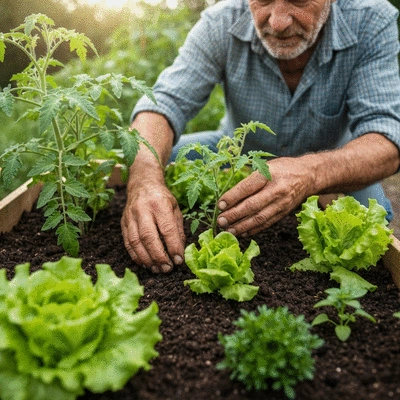
Gardener tending to plants in a raised garden bed, showing healthy soil and thriving vegetables

Addressing Pests and Diseases: Protection for Your Plants

Pests and diseases can be a gardener's worst nightmare! However, with a proactive approach, you can protect your plants and keep them thriving. Here are some effective strategies to consider:

  • Regular Inspections: Check your plants weekly for any signs of pests or disease.
  • Companion Planting: Use plants that naturally repel pests, like marigolds, alongside your veggies.
  • Organic Sprays: Utilize neem oil or insecticidal soap to tackle infestations.

It's vital to remember that a healthy garden box often starts with healthy soil and plants! Regularly inspecting your plants will not only keep them free from pests but also help you spot any issues early on.

Seasonal Maintenance Practices for Thriving Garden Boxes

Maintaining your garden boxes throughout the seasons is essential for ensuring they remain productive and beautiful. Each season brings unique tasks that can make a big difference in your garden's health. Here’s a handy checklist:

  • Spring: Add fresh compost and mulch, and plant your seeds or seedlings.
  • Summer: Keep an eye on watering needs and prune any overgrown plants.
  • Fall: Harvest your crops, clean out debris, and prepare for winter by planting cover crops.
  • Winter: Insulate your boxes with straw or mulch to protect the soil from freezing.

Following these seasonal maintenance practices will help your garden boxes flourish through each stage of growth. Plus, it gives you a chance to interact with your plants regularly, fostering a deeper connection to your garden!

Effective Pest Control Strategies for Organic Gardening

As a passionate gardener, I believe in the power of organic pest control methods. They’re not just safer for the environment, but they can also lead to healthier plants! Here are some techniques to help you manage pests while keeping your gardening practices sustainable:

  • Handpicking: Regularly inspect and manually remove pests like slugs and caterpillars.
  • Natural Predators: Encourage beneficial insects, like ladybugs and lacewings, to take up residence in your garden.
  • Homemade Traps: Create traps using simple materials, such as soapy water or beer, to catch pests.

These organic methods not only keep your plants safe but also promote a healthier ecosystem in your garden box. It’s a win-win situation for gardeners who care about the environment! For more detailed guidance, consider exploring effective natural pest control tips.

Recap of Key Points

Here is a quick recap of the important points discussed in the article:
  • Garden boxes provide a defined space for growing plants, enhancing soil quality and accessibility.
  • Different materials available for garden boxes include traditional wooden, lightweight plastic, and durable metal options.
  • Regular maintenance, including seasonal practices, is essential for ensuring healthy and productive garden boxes.
  • Organic pest control strategies, such as companion planting and using natural predators, can effectively manage pests while promoting a sustainable garden ecosystem.

Subscribe & Share
Growing Lemon Thyme at Home Growing Lemon Thyme at Home Have you ever considered how a single herb can transform your culinary experiences and beautify your
Understanding Hydroponic Tower Gardening Understanding Hydroponic Tower Gardening Have you ever considered how a simple structure could transform your gardening experience? Hydroponi
Heirloom Seeds for Your Garden Heirloom Seeds for Your Garden What if your garden could tell a story? Heirloom seeds not only flourish under the sun but also carr
Eco-Friendly Lawn Fertilizer Options Eco-Friendly Lawn Fertilizer Options When it comes to nourishing your lawn, the switch to organic fertilizers might be the most significa
Mulch for Healthy Plants Mulch for Healthy Plants Did you know that mulching not only enhances the beauty of your garden but also plays a pivotal role
Easy Perennials for Your Zone Easy Perennials for Your Zone Have you ever considered how the right plants can transform your garden into a lush paradise? Unders
Banner
All American Gardeners

Your premier online resource for mastering home gardening across the U.S. We empower American home gardeners with expert tips, step-by-step guides, and sustainable practices for thriving outdoor spaces.

Trusted by gardeners nationwide, our mission is to provide reliable, easy-to-follow insights backed by Clara M. Greene's extensive horticulture experience and practical advice.

Cultivate Your Garden
Recent Posts
Growing Lemon Thyme at Home Growing Lemon Thyme at Home

Have you ever considered how a single herb can tra

Understanding Hydroponic Tower Gardening Understanding Hydroponic Tower Gardening

Have you ever considered how a simple structure co

Heirloom Seeds for Your Garden Heirloom Seeds for Your Garden

What if your garden could tell a story? Heirloom s

Gardening Wisdom from All American Gardeners