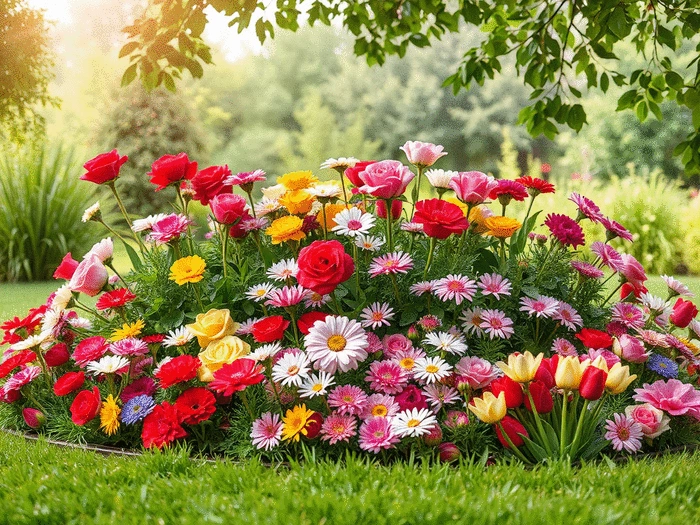
Flower Bed Types & Layouts
Understanding the foundation of your flower bed.
- ✓ Border Beds
- ✓ Island Beds
- ✓ Raised Beds
Join Clara M. Greene's community for expert tips and seasonal guides tailored for American gardeners.
Posted on: 2026-03-26
By: Clara M. Greene
Are you ready to transform your outdoor space into a stunning floral paradise? With thoughtful flower bed design, you can create a vibrant garden that blooms all season long. Here are the essential insights you'll gain from exploring this topic!
Delve into the core components of creating stunning flower beds, from types and layouts to plant selection and soil preparation.
Understanding the foundation of your flower bed.
Choosing the right flowers for a thriving garden.
The foundation for healthy plant growth.
Are you ready to turn your garden into a vibrant, floral paradise? Flower bed design is a fantastic way to enhance your outdoor space, whether you have a sprawling backyard or a cozy patio. With a bit of planning and creativity, you can create stunning displays that bloom all season long. Let’s delve into the essentials of flower bed design, starting with the basics!
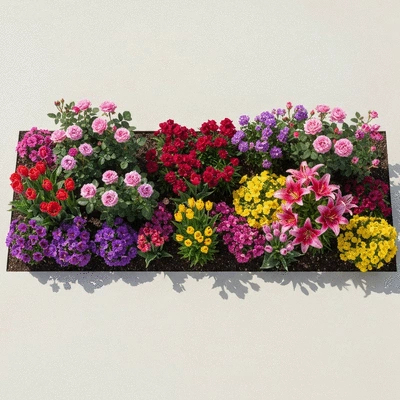
When designing your flower bed, it's important to familiarize yourself with the different types and layouts available. Below are some common flower bed types you might consider:
Each type has its own unique layout possibilities. For instance, layering is a technique where taller plants are placed at the back and shorter ones in front, ensuring every flower gets its moment in the sun. Remember, a thoughtful layout not only adds aesthetic appeal but also promotes healthy growth for your plants.
Choosing the right flowers can be the most exciting part of the design process! Here are some tips to help you make the best selections:
Don't forget to think about bloom times and colors! Mixing early, mid, and late bloomers will ensure that your flower bed looks lively throughout the growing season. Trust me, seeing your garden flourish is incredibly rewarding!
The foundation of a thriving flower bed lies in its soil. Ensuring you have quality soil is essential for healthy plants. Here are some key steps to prepare your soil:
By focusing on soil quality, you create the perfect environment for your flowers to thrive. A little effort in preparation goes a long way toward achieving a stunning flower bed! You can find more comprehensive advice on achieving healthy soil for thriving gardens here.
Once you have a solid understanding of the basics, it’s time to get inspired! There are countless styles you can embrace when it comes to flower bed design.
Popular garden styles can greatly influence how you design your flower beds. For instance, Mediterranean gardens often feature drought-tolerant plants like succulents and herbs, which can create a serene and relaxing atmosphere. Meanwhile, cottage gardens are charmingly chaotic, filled with a mix of colorful flowers, herbs, and even vegetables! Here are some ideas:
Incorporating these styles into your flower bed design can bring a unique flair to your outdoor space, making it a reflection of your personal taste!
Creating a flower bed that supports local wildlife is not only beneficial for the environment but also adds beauty to your garden. Here are some tips for selecting the right plants:
By encouraging pollinators, you not only enhance your flower bed but also contribute to the overall health of your garden ecosystem. Isn’t it wonderful to know that your garden can help support nature?
A thoughtfully chosen color scheme can transform the look of your flower bed dramatically! Here’s how to approach it:
Utilizing these color principles can help ensure that your flower beds are not just beautiful but also visually captivating throughout the year!
Did you know? Incorporating a variety of flowering plants that bloom at different times can ensure your garden remains vibrant from spring to fall. Aim for a mix of early bloomers like tulips, mid-season favorites such as peonies, and late bloomers like asters to maximize visual interest throughout the year!
A1: The main types discussed are Border Beds (along pathways), Island Beds (focal points away from edges), and Raised Beds (elevated for better drainage and ease of gardening).
A2: Key tips include going for native plants adapted to your local climate, selecting low-maintenance options, and choosing climate-specific flowers that thrive in your USDA zone. Also, consider bloom times and colors for continuous interest.
A3: Soil preparation is crucial because it forms the foundation for healthy plant growth. Steps like soil testing, adding organic amendments (compost, manure), and ensuring good drainage prevent issues like root rot and provide essential nutrients.
A4: Popular styles include Mediterranean gardens, which feature drought-tolerant plants and a serene atmosphere, and Cottage gardens, known for their charmingly chaotic mix of colorful flowers, herbs, and vegetables.
A5: To attract pollinators, choose nectar-rich flowers like coneflowers, bee balm, and zinnias. Ensure diversity in flower types and avoid using pesticides to create a welcoming and healthy environment for bees, butterflies, and hummingbirds.
Designing a successful flower bed is not just about planting flowers; it’s about creating a vibrant piece of nature that enhances your outdoor space. The essential elements we've discussed—flower bed types, plant selection, and soil preparation—all come together to form a beautiful, thriving environment. By implementing these ideas, you'll not only enrich your garden but also find joy in nurturing it!
Ready to take action? Let's break down some practical steps to get your flower bed project off the ground! Here’s what you can do:
Remember, the key is to start small and gradually expand your floral masterpiece. Don't hesitate to reach out to fellow gardeners for advice or to share your progress—community support can be invaluable!
Gardening is not only about nurturing plants; it's also about building connections! Engaging with fellow gardeners is a fantastic way to gather inspiration and share experiences. Consider joining gardening forums or social media groups dedicated to flower bed enthusiasts, like those found on platforms such as Facebook and Instagram. These communities are filled with passionate individuals eager to offer support, share tips, and celebrate your gardening victories!
As you begin crafting your flower bed, remember that your journey can inspire others. I invite you to share your flower bed creations and experiences with the community! Snap some photos of your progress and post them online, encouraging others to join in. Together, we can cultivate a supportive environment where ideas flourish and gardeners of all skill levels can learn from one another!
Here is a quick recap of the important points discussed in the article: