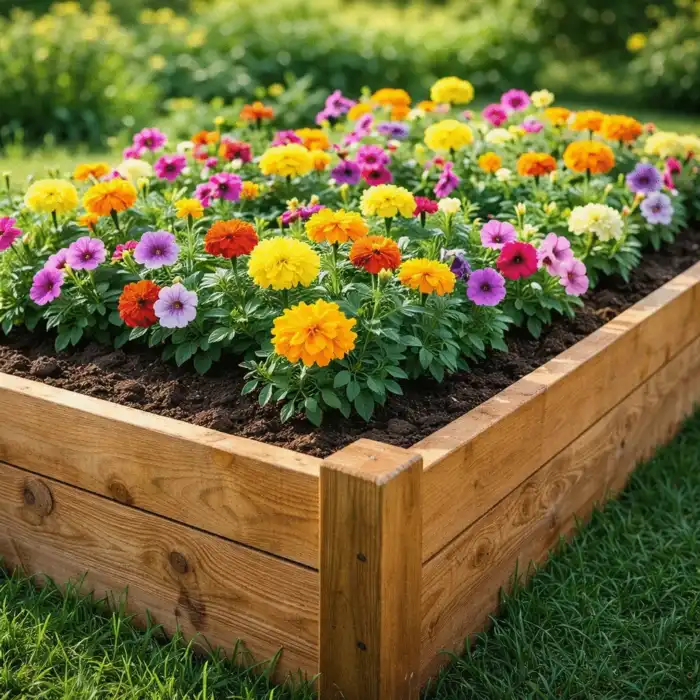
Are you ready to elevate your gardening experience? Discover how raised flower beds can revolutionize your approach to gardening, from enhancing aesthetics to promoting healthier plants!
What You Will Learn
Improved soil drainage and aeration, essential for healthy root growth.
Enhanced accessibility makes gardening easier for individuals with mobility challenges.
Greater control over weeds and soil contaminants for a cleaner growing environment.
Soil warming capabilities allow for earlier planting and longer growing seasons.
Intensive planting leads to higher yields without overcrowding issues.
Perfect for organic gardening, enabling control over soil quality and nutrition.
Customization of soil mixtures to optimize growing conditions tailored to plant needs.
Understanding the Advantages of Raised Flower Beds
Raised flower beds offer distinct benefits over traditional gardening, enhancing both the gardening experience and plant health. This visual highlights the key advantages and how they contribute to successful plant growth. If you're considering enhancing your garden, exploring the benefits of raised garden beds is a great place to start.
Why Choose Raised Flower Beds? Key Advantages
Drainage & Aeration
Prevents root rot, allows water to flow freely.
Enhanced Accessibility
Comfortable tending for all gardeners, less bending.
Weed & Contaminant Control
Cleaner growing medium, fewer weeds.
How They Promote Healthy Growth Growth Mechanisms
Soil Warming & Extended Season
Earlier planting, longer harvest period.
Intensive Planting & Yield
Maximizes space, higher yields in small areas.
Organic Gardening Support
Perfect for custom organic soil mixes.
Understanding the Benefits of Raised Flower Beds
Have you ever considered elevating your gardening experience? Raised flower beds offer numerous advantages that can transform your gardening journey. Not only do they enhance your garden's aesthetics, but they also provide practical benefits that make gardening easier and more enjoyable!
In this section, we’ll explore why raised flower beds are a fantastic choice and how they can promote healthy plant growth. Trust me, once you learn about these benefits, you’ll be ready to get started!
Why Choose Raised Flower Beds Over Traditional Gardening?
When it comes to gardening, raised flower beds stand out for a variety of reasons. Let’s dive into some key benefits that distinguish them from traditional gardens!
Improved Soil Drainage and Aeration: Raised beds allow for better water drainage and aeration, ensuring that your plants' roots receive the oxygen they need.
Enhanced Accessibility for Gardeners: These beds are easier to reach, making it simple for everyone, including those with mobility challenges, to garden comfortably.
Control Over Weeds and Contaminants: With raised beds, you have better control over the soil environment, reducing weed growth and avoiding contaminants often found in native soil.
These features not only simplify the gardening process but also lead to healthier plants and a more enjoyable experience overall. Plus, who doesn’t love the idea of a beautiful flower bed that flourishes without too much hassle?
Improved Soil Drainage and Aeration
One major benefit of raised flower beds is their ability to improve soil drainage and aeration. By elevating the soil, water can flow freely, preventing root rot from over-saturation. This is particularly helpful in areas with clay soil where drainage is typically poor! Additionally, the soil in raised beds warms up faster in the spring, encouraging early plant growth.
Enhanced Accessibility for Gardeners
Another fantastic aspect of raised flower beds is how they enhance accessibility. For those of us who might find bending down a bit tricky, raised beds can be designed at a height that allows for comfortable tending without strain. It’s a game-changer for long gardening sessions!
Control Over Weeds and Contaminants
Raised beds offer excellent control over weeds and soil contaminants. Since you control the soil quality, you can create a more favorable environment for your plants. This means fewer weeds to worry about and a cleaner growing medium. What’s not to love about that?
How Raised Flower Beds Promote Healthy Plant Growth
Now that we understand the benefits of raised flower beds, let’s take a closer look at how they can promote healthy plant growth. This is where the magic truly happens!
Soil Warming and Extended Growing Seasons: The elevated soil warms up faster in spring, allowing for an earlier planting season.
Intensive Planting for Maximum Yield: Raised beds allow for denser planting, leading to higher yields without the overcrowding issues common in traditional gardens.
The Role of Organic Gardening in Raised Beds: Raised beds are perfect for organic gardening practices, allowing you to control the soil and utilize organic materials effectively.
By harnessing these advantages, you can foster a vibrant garden that thrives. With my experience at All American Gardeners, I’ve seen firsthand how these benefits can transform a garden!
Soil Warming and Extended Growing Seasons
Raised flower beds warm up more quickly than traditional ground soil, which means you can plant earlier in the season. This extra time can lead to more robust growth and a more extended harvest period. Imagine enjoying those blooms a few weeks earlier!
Intensive Planting for Maximum Yield
The design of raised beds encourages intensive planting, which maximizes the use of space and resources. When plants are spaced effectively, they can thrive without competing for nutrients and sunlight. You’ll be amazed at how much you can grow in a small area!
The Role of Organic Gardening in Raised Beds
Lastly, raised flower beds are fantastic for those interested in organic gardening. You can create the perfect mix of compost, organic matter, and soil that caters specifically to your plants' needs. This attention to detail helps ensure healthy growth and minimizes the need for chemical fertilizers. For more insights on nurturing your plants naturally, consider these organic gardening tips for beginners.
Pro Tip
To maximize the benefits of your raised flower beds, consider incorporating a variety of plants that complement each other. For example, pairing herbs like basil with tomatoes can enhance growth and flavor while naturally repelling pests. This companion planting technique not only boosts your garden’s productivity but also creates a more vibrant and diverse ecosystem!
Frequently Asked Questions About Raised Flower Beds
What are the main advantages of raised flower beds?
Raised flower beds offer improved soil drainage and aeration, enhanced accessibility for gardeners, better control over weeds and contaminants, and allow for soil warming to extend growing seasons.
How do raised beds help with soil drainage?
By elevating the soil, raised beds allow water to flow freely, preventing issues like root rot caused by over-saturation, especially beneficial in areas with heavy clay soil.
Can raised flower beds extend my growing season?
Yes, the soil in raised beds warms up faster in the spring compared to ground soil, enabling earlier planting and potentially extending your harvest period.
Are raised beds suitable for organic gardening?
Absolutely! Raised beds are ideal for organic gardening as they allow you to customize the soil mixture with compost and organic matter, ensuring a healthy, chemical-free environment for your plants.
Are there any drawbacks to using raised flower beds?
Potential drawbacks include the initial costs for materials and soil, potential space limitations in very small areas, and the need for more consistent watering as raised beds can dry out quicker than in-ground gardens.
Deciding If Raised Flower Beds Are Right for You
When contemplating whether to transition to raised flower beds, it's essential to weigh the benefits against the potential drawbacks. Raised flower beds can be a fantastic addition to your garden, but they may not suit every gardener's needs. Here, we'll discuss some key factors to consider as you make your decision!
Weighing the Pros and Cons of Raised Flower Beds
First, let’s look at the advantages that raised flower beds can offer:
Improved drainage – Raised beds often have better drainage, reducing the risk of root rot.
Customizable soil – You have complete control over the soil mixture, allowing for optimal growing conditions.
Reduced strain – Gardening at a higher level can reduce back pain and make it easier to tend to your plants.
Despite these benefits, there are also some considerations to keep in mind:
Initial costs – Building raised flower beds requires an upfront investment in materials.
Space limitations – They may not be suitable for every garden layout, especially smaller spaces.
Regular maintenance – Raised beds can dry out more quickly, necessitating consistent watering.
With these pros and cons in mind, you can better assess if raised flower beds align with your gardening goals and capabilities!
Financial Considerations and Value
Investing in raised flower beds can be a wise decision for many gardeners. The initial costs typically include materials and soil, which can vary based on your choices. However, consider the long-term value:
Higher yield due to customized soil and better drainage.
Reduced need for chemical fertilizers, as you can build nutrient-rich soil from the start.
Potential savings on water bills as you improve soil moisture retention over time.
While the upfront investment may seem daunting, the benefits of raised flower beds can lead to a flourishing garden that rewards your efforts season after season!
Long-Term Benefits for Urban and Small Spaces
Raised flower beds are particularly advantageous for those gardening in urban or small spaces. They can be placed on patios, balconies, or even rooftops, making them versatile and adaptable! Think about these long-term benefits:
Efficient use of limited space, allowing for maximum plant variety.
Enhanced aesthetics, providing a clean and organized look to your garden.
Easy access for gardening, especially for those with mobility challenges.
In short, raised beds can transform small areas into vibrant green spaces that thrive!
Assessing Climate Suitability and Soil Conditions
Before diving into your raised bed project, assessing your local climate and existing soil conditions is crucial. Different regions have varying climates that can significantly impact plant growth. Consider the following:
Temperature fluctuations – Raised beds warm up faster in spring, extending the growing season.
Soil quality – If your native soil is poor, raised beds allow you to create a perfect growing medium.
Water drainage – Ensure that your area doesn’t experience excessive waterlogging, which can affect raised beds.
By taking these factors into account, you’ll set yourself up for gardening success with raised flower beds!
Get Started with Your Raised Flower Bed Journey
Are you ready to embark on your raised flower bed adventure? There are plenty of resources available to guide you every step of the way. Let's explore some great tools and materials!
Resources for DIY Building and Plant Selection
Building your own raised flower beds can be a rewarding project! Check out these resources:
Video tutorials – There are fantastic videos online that demonstrate how to build raised beds. For useful guidance, consider these tips for building garden beds.
Interactive planning tools – Utilize online calculators to help determine the size and layout of your beds.
Guides for plant selection – Look for lists of suitable flowers and vegetables that thrive in raised beds.
With these resources at hand, you’ll be well-equipped to create a thriving garden that reflects your unique style!
Where to Buy Materials and Flower Kits Online
Finding materials and plants is easier than ever! Here are some suggestions:
Local garden centers often have a selection of soils and plants.
Online retailers can provide everything from raised bed kits to specialized soil mixes.
Consider subscription services that deliver seasonal flower or vegetable kits directly to your door.
With the right materials, your raised flower bed project will be off to a great start!
Join the Community of Flower Bed Enthusiasts
Gardening is more fun when you connect with others who share your passion! Here are some ways to engage with fellow gardening enthusiasts:
Share your experiences on social media platforms and learn from others' journeys.
Join local gardening groups online or in-person to exchange tips and ideas.
Participate in community gardens to collaborate and gain hands-on knowledge.
By joining a community, you’ll not only gain valuable insights but also make gardening friendships that can last a lifetime!
Exploring Community Gardens for Collaborative Gardening Efforts
Community gardens are fantastic resources for both seasoned and novice gardeners alike. Here’s what to expect:
Access to shared tools and resources, reducing individual costs.
Opportunities to learn from experienced gardeners and share your knowledge.
A sense of community and belonging, fostering friendships and collaborative projects.
With the support of a community garden, you can elevate your gardening skills and enjoy the beauty of raised flower beds! Let’s get planting together!
Recap of Key Points
Here is a quick recap of the important points discussed in the article:
Improved Soil Drainage and Aeration: Raised beds enhance water drainage and aeration, preventing root rot.
Enhanced Accessibility: They provide easier access for all gardeners, especially those with mobility challenges.
Control Over Weeds and Contaminants: Raised beds help manage soil quality, reducing weeds and avoiding contaminants.
Soil Warming and Extended Growing Seasons: Elevated soil warms quicker, allowing for earlier planting and longer harvests.
Intensive Planting: The design encourages denser planting, maximizing yield while minimizing overcrowding.
Suitable for Organic Gardening: Raised beds are perfect for creating nutrient-rich soil and practicing organic gardening.
Subscribe & Share
2026-08-28
Growing Herbs with Hydroponics
Why settle for store-bought herbs when you can grow your own at home, in any space? Hydroponic garde
2026-08-27
Growing Sweet Corn from Seeds
Ready to transform your gardening experience? Selecting the right sweet corn seeds can make all the
Growing Your Own Garlic Bulbs
As you prepare to embark on your journey of growing garlic, consider this: garlic cultivation isn't
All American Gardeners
Your premier online resource for mastering home gardening across the U.S. We empower American home gardeners with expert tips, step-by-step guides, and sustainable practices for thriving outdoor spaces.
Trusted by gardeners nationwide, our mission is to provide reliable, easy-to-follow insights backed by Clara M. Greene's extensive horticulture experience and practical advice.