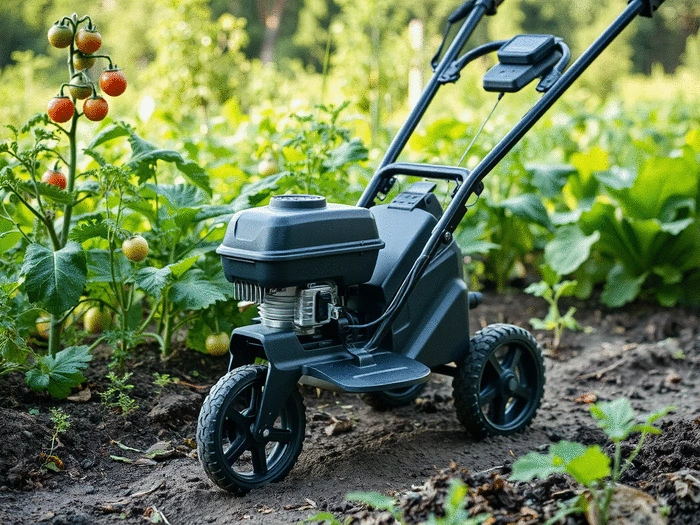
Motor Power (Amp Ratings)
Higher amp ratings mean better performance, especially for tougher soils.
Join Clara M. Greene's community for expert tips and seasonal guides tailored for American gardeners.
Posted on: 2026-03-14
By: Clara M. Greene
Have you ever struggled with hard, unyielding soil in your garden? The right electric tiller can transform your gardening experience, making soil preparation quick and efficient. Let’s explore the critical factors you need to consider when choosing the perfect tiller for your vegetable plot!
An overview of essential features to consider in electric tillers and a comparison with other gardening tools. Understanding these distinctions is crucial for anyone looking to optimize their garden tools for efficiency and effectiveness.
Higher amp ratings mean better performance, especially for tougher soils.
Wider widths cover more ground efficiently, ideal for larger plots.
Ensure the tiller can handle your specific soil type (e.g., clay soil).
Offer power and efficiency for larger areas, focusing on deep tilling.
Best for precision work in smaller spaces, requiring more physical effort.
Good for mixing soil and weeding, but typically offer less tilling depth.
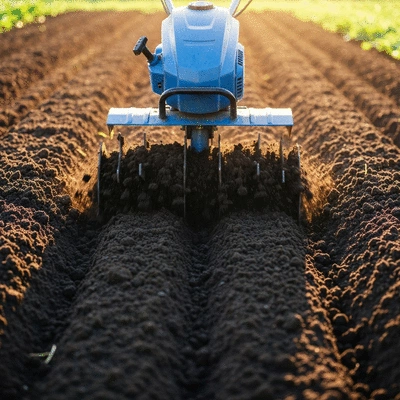
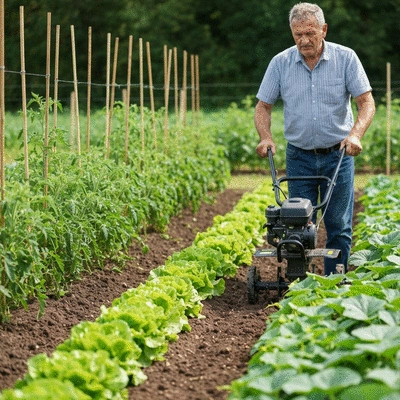
As a home gardener, choosing the right tools is crucial for your success. Electric garden tillers play a significant role in preparing your vegetable plots for planting. They help break up compacted soil, improve aeration, and mix in organic matter. By selecting an appropriate tiller, you ensure that your soil is ready for seeds to thrive!
When it comes to vegetable gardening, the tilling depth is essential. This depth influences root growth and moisture retention, making it a key factor in your garden's productivity. With the right electric tiller, achieving optimal soil preparation becomes much easier, and you’ll see the benefits in your harvest.
Not all electric tillers are created equal. Selecting the right one can mean the difference between a thriving vegetable garden and a struggle to grow anything at all. Here are some key reasons why the right tiller matters:
Taking the time to evaluate your needs will pay off in the long run. Remember, the goal is to create a welcoming environment for your plants! This careful consideration is also important when looking for organic gardening tips for beginners, as proper soil management is fundamental.
When shopping for an electric tiller, it's important to focus on a few critical specifications. These features will help you choose a model that meets your gardening needs:
Some tillers are also designed specifically for raised beds, making them ideal for urban gardeners or those with limited space. Always check the specifications to ensure your chosen model fits your unique garden layout!
As you explore your options, it’s beneficial to understand how electric garden tillers compare to other tools like manual tillers and cultivators. Each has its unique role in soil aeration and preparation:
Each tool has its place in a gardener's arsenal. Understanding their differences will help you make informed decisions about what you need for your garden!
Did you know? When using an electric tiller, adjusting the tilling depth is crucial for your specific vegetable crops. For root vegetables like carrots and potatoes, aim for a deeper tilling depth to allow ample room for growth. Conversely, for shallow-rooted plants such as lettuce and herbs, a lighter tilling will suffice. Tailoring your tilling technique can significantly enhance the productivity of your garden!
Motor power (amp ratings) and tilling depth are the most important factors. Higher amp ratings provide better performance for tougher soils, while appropriate tilling depth is crucial for healthy root growth and moisture retention in your vegetable plot.
Electric tillers offer power and efficiency for larger areas and deep tilling. Manual tillers are best for small, precise tasks, requiring more physical effort. Cultivators are good for mixing soil and weeding but typically offer less tilling depth than electric tillers.
A wider tilling width is more efficient for larger plots, as it allows you to cover more ground in less time. For smaller gardens or raised beds, a narrower width might be more maneuverable.
Yes, many electric tillers, especially those with higher amp ratings, are designed to handle tough soil types like clay. Always check the product specifications for soil compatibility to ensure it meets your needs.
Tilling depth directly influences root growth, allowing roots to expand properly and access necessary nutrients and water. It also improves moisture retention, which is vital for the overall health and productivity of your vegetable plants.
In wrapping up our discussion on electric tillers, it’s clear that choosing the right model can significantly impact your vegetable gardening experience. From soil preparation to the ease of use in various conditions, having an effective tiller by your side can make the journey smoother and more enjoyable. Remember, the right tiller isn't just a tool; it’s an investment in your garden’s success!
Throughout this article, we’ve highlighted the diverse features of electric tillers, from their power ratings to their suitability for different soil types. Whether you have a small urban plot or a larger vegetable garden, there’s an electric tiller that matches your needs. Understanding these factors is crucial for making an informed decision that aligns with your gardening goals.
As you consider your options, think about your specific gardening requirements. Here are some steps to help you decide:
Once you’ve reflected on these points, take a look at the reviewed models we discussed earlier. Each one offers unique features to cater to various gardening needs. You can find direct links to purchase options on our website to make your decision easier!
I would love to hear about your experiences with electric tillers! Have you found a particular model that works wonders in your garden? Or maybe you have tips and tricks that have made tilling a breeze? Join the conversation below and share your insights with our community of fellow gardeners. Together, we can learn and grow, making our gardening journeys even more fulfilling!
Here is a quick recap of the important points discussed in the article: