As you ponder the best tools for your gardening needs, consider the unique benefits each option brings to your yard maintenance routine. With the right knowledge, you'll be empowered to make an informed choice that enhances both your garden's beauty and sustainability.
What You Will Learn
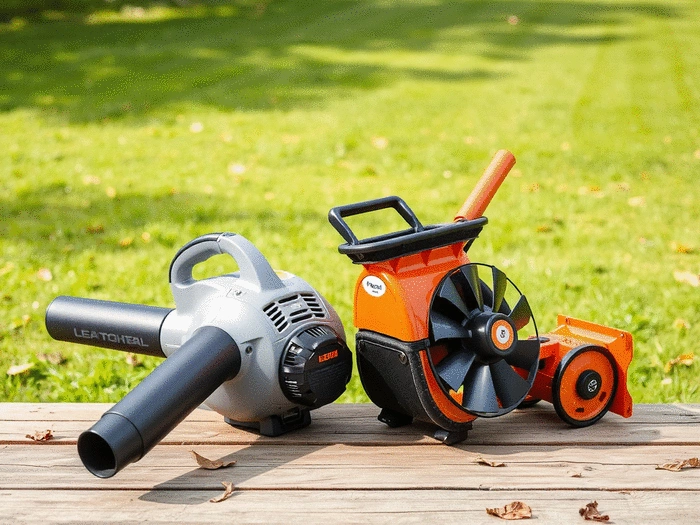
Leaf blowers use powerful air streams to efficiently clear leaves and debris from larger areas.
Mulchers shred leaves into smaller pieces, turning them into nutrient-rich compost for your garden.
Understanding CFM (Cubic Feet per Minute) and MPH (Miles per Hour) ratings helps you select the right leaf blower for your yard's needs.
A higher mulching ratio in mulchers indicates more effective shredding, which is crucial for quicker composting.
Evaluating airflow speed can significantly influence your efficiency when using either tool.
Consider factors like yard size, leaf condition, and noise levels when deciding between a leaf blower and a mulcher.
Leaf Blower vs. Mulcher: A Comparative Overview
Here's a side-by-side comparison of leaf blowers and mulchers, highlighting their primary functions, power specifications, and environmental impact. For more insights into maintaining a thriving garden, explore our guide on healthy soil for thriving gardens.
Primary Function Comparison
Leaf Blower: Clearing Large Areas
Uses powerful air streams to gather leaves and debris for disposal. Ideal for quick clean-ups.
Leaf Mulcher: Reducing & Recycling
Shreds leaves into smaller pieces for compost or mulch. Eco-friendly and enriches soil.
Key Specifications & Impact
Leaf Blower: CFM & MPH
High CFM: Moves more debris quickly.
High MPH: Better penetration into dense piles.
Noise: Generally high, requires hearing protection.
Leaf Mulcher: Mulching Ratio
Standard (8:1): Basic leaf reduction.
High-Perf (12:1+): Fine compost, heavy-duty.
Environmental: Reduces waste, enriches soil.
Understanding Leaf Blowers and Mulchers: Key Differences
When it comes to maintaining a beautiful yard, understanding the tools at your disposal is crucial. Leaf blowers and mulchers are two popular choices, but they serve different purposes. In this section, I’ll walk you through the essentials to help you make the right decision for your gardening needs!
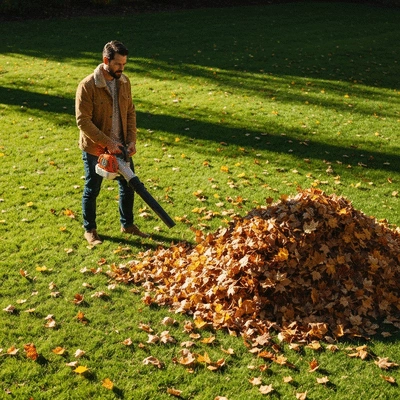
First, let's dive into what a leaf blower actually is. These handy devices use powerful air streams to clear leaves and debris from your lawn, driveway, or patio. With the right technique, you can gather leaves into piles for easy disposal. They are especially useful in the fall when leaves blanket your yard!
What is a Leaf Blower and How Does it Work?
A leaf blower operates by emitting a focused stream of air, which sweeps away leaves and similar debris. Most models come with various power sources, including electric, battery-operated, or gas-powered options. Each type has its own advantages and considerations, depending on your specific needs.
Electric Leaf Blowers: Lightweight and quieter, perfect for smaller yards.
Gas-Powered Leaf Blowers: More powerful and ideal for large, heavy jobs.
Battery-Operated Leaf Blowers: Offer mobility without cords and are quieter than gas models.
Whichever type you choose, a leaf blower can save you a lot of time and effort, especially during peak leaf-falling seasons! For a comprehensive list of useful tools, check out our article on essential garden hand tools.
The Functionality of Leaf Mulchers Explained
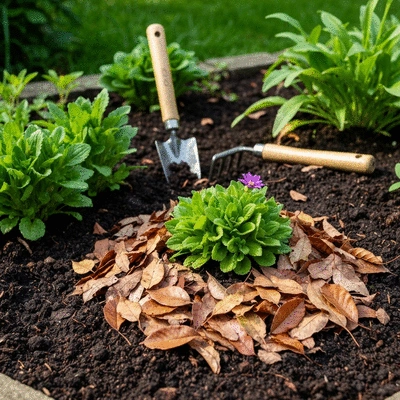
On the other hand, leaf mulchers take a different approach. They shred leaves into smaller pieces, which can then be added back into your garden as compost or mulch. This is not only eco-friendly but also enriches your garden soil with nutrients. Plus, it reduces waste sent to landfills!
Electric Mulchers: Perfect for small to medium yards; quiet and efficient.
Gas Mulchers: More robust, suitable for larger jobs with tough materials.
Shredder/Mulcher Combinations: These versatile tools can handle leaves and branches, making yard clean-up a breeze!
With a mulcher, you’ll help your garden thrive while minimizing waste. How great is that?
Evaluating Power and Efficiency: Leaf Blowers vs Mulchers
Now that we've explored the basic functions of leaf blowers and mulchers, it’s time to evaluate their power and efficiency. Understanding the specifications like CFM (Cubic Feet per Minute) and MPH (Miles per Hour) can greatly influence your choice.
Let's break down these important terms and see what you need to consider when deciding between these tools!
Power Specifications: CFM and MPH Explained
When selecting a leaf blower, pay attention to its CFM and MPH ratings. CFM measures the volume of air moved, while MPH indicates the speed of airflow. A higher CFM means you can move more debris quickly, while a higher MPH allows for better penetration into piles of leaves.
High CFM and Low MPH: Best for moving lightweight leaves and grass clippings.
Low CFM and High MPH: Suitable for compacting leaves into piles.
Ultimately, the right balance of CFM and MPH will match the specific needs of your yard!
Comparing Mulching Ratios: What You Need to Know
Mulching performance is typically rated by the mulching ratio, which indicates how much the machine can reduce material size. A higher ratio means more effective shredding, which can be crucial for quicker composting.
Standard Mulching Ratio (8:1): Good for basic leaf reduction.
High-Performance Mulchers (12:1 or higher): Ideal for heavy-duty applications, turning leaves and small branches into fine compost.
This efficiency ensures that you’re not only cleaning your yard but also contributing to a healthier garden ecosystem!
Understanding Airflow Speed and Its Importance
Airflow speed is another vital aspect that affects both leaf blowers and mulchers. Understanding how airflow contributes to efficiency can influence your preference between these two tools.
Lower Airflow Speed: Ideal for delicate tasks or when working around fragile plants.
By evaluating these factors, you'll be better equipped to select the right tool for your yard and ensure your gardening tasks are both efficient and effective!
Pro Tip
When choosing between a leaf blower and a mulcher, consider your yard's specific needs. If your primary goal is quick cleanup during the fall, a leaf blower may be your best bet. However, if you’re focused on sustainability and enriching your garden, a mulcher can turn those leaves into valuable compost. Don't forget to check for additional features like vacuum functions or adjustable speeds which can greatly enhance your efficiency!
Summarizing the Leaf Blowers vs Mulchers Decision
Choosing between a leaf blower and a leaf mulcher can be a tough decision for home gardeners like us. At All American Gardeners, we understand the unique challenges that come with yard maintenance. Each tool has its own strengths and weaknesses, and understanding these can help you find the right fit for your gardening needs!
Here’s a quick summary of what we discussed:
Leaf Blowers: Excellent for quickly clearing large areas of leaves and debris. They are generally more powerful, with high CFM and MPH ratings.
Leaf Mulchers: Ideal for turning leaves into nutrient-rich mulch. They help reduce waste and provide a sustainable option for garden care.
Noise Levels: Leaf blowers tend to be noisier than mulchers, which might be a concern in residential areas.
Cost and Maintenance: Mulchers may save you money in the long run by reducing disposal costs and enhancing soil health.
Ultimately, your choice will depend on your garden's size, the types of leaves you typically deal with, and how you prefer to maintain your yard.
Key Takeaways for Your Leaf Management Needs
As you consider your options, keep these key takeaways in mind:
Determine the size of your yard: Small yards may benefit from a versatile mulcher, while larger areas might require the speed of a blower.
Evaluate the condition of your leaves: Are they wet and heavy, or light and dry? This can impact your tool choice significantly.
Think about your environmental impact: Mulchers can often provide a more eco-friendly solution by recycling leaves into mulch.
Consider the noise factor: If you have close neighbors or live in a quiet area, a mulcher may be the better option.
By reflecting on these points, you'll be well on your way to making an informed decision that suits your gardening style!
Further Questions and Community Engagement
At All American Gardeners, we love engaging with our community of passionate gardeners! If you have any lingering questions or need more advice on choosing between a leaf blower or a mulcher, we’re here to help!
Participate in Our Poll: Blower or Mulcher Preference?
Tell us what you prefer! Do you lean towards the efficiency of a leaf blower, or do you appreciate the sustainability of a mulcher? Join our community poll and share your thoughts!
FAQs About Leaf Care: What Are Your Burning Questions?
We know leaf care can be a bit tricky at times, and we're here to answer all your questions. Whether you’re curious about the best time to mulch or how to maintain your blower, feel free to send your FAQs our way!
Frequently Asked Questions (FAQs)
What is the main difference between a leaf blower and a leaf mulcher? A leaf blower uses air to clear leaves, while a leaf mulcher shreds leaves into smaller pieces for compost or mulch.
Which is better for a large yard? For large yards, a powerful leaf blower (especially gas-powered) is generally more efficient for quick cleanups.
Can a leaf mulcher help improve garden soil? Yes, mulched leaves are rich in nutrients and can be added to your garden as compost, enriching the soil and promoting healthier plants.
Are there any tools that combine both functions? Yes, some versatile tools offer both blowing and mulching capabilities, often with a vacuum function to collect the shredded leaves.
What does CFM and MPH mean for leaf blowers? CFM (Cubic Feet per Minute) measures the volume of air moved, indicating how much debris can be cleared. MPH (Miles per Hour) indicates the speed of the airflow, affecting how well it can penetrate dense piles of leaves.
Best Practices for Using Leaf Blowers and Mulchers
To wrap things up, let’s look at some best practices for using your leaf management tools:
Always wear hearing protection when using a blower due to its high noise levels.
For mulchers, ensure you’re not overloading the machine with wet leaves.
Regularly clean and maintain your equipment to ensure longevity and optimal performance. For tips on how to care for your gardening tools, explore our article on sharpening your garden tools at home.
Utilize mulch from leaves as a natural fertilizer for your garden beds!
By following these tips, you can maximize the benefits of both leaf blowers and mulchers, making your gardening journey even more enjoyable! Happy gardening from All American Gardeners!
Recap of Key Points
Here is a quick recap of the important points discussed in the article:
Leaf blowers are ideal for quickly clearing large areas of leaves and debris, offering high CFM and MPH ratings for efficiency.
Leaf mulchers effectively turn leaves into nutrient-rich mulch, promoting sustainability and reducing waste.
Noise levels vary, with leaf blowers generally being noisier than mulchers, which can be a consideration in residential areas.
Choosing the right tool depends on yard size, leaf condition, and environmental impact considerations.
Subscribe & Share
2026-08-28
Growing Herbs with Hydroponics
Why settle for store-bought herbs when you can grow your own at home, in any space? Hydroponic garde
2026-08-27
Growing Sweet Corn from Seeds
Ready to transform your gardening experience? Selecting the right sweet corn seeds can make all the
Growing Your Own Garlic Bulbs
As you prepare to embark on your journey of growing garlic, consider this: garlic cultivation isn't
All American Gardeners
Your premier online resource for mastering home gardening across the U.S. We empower American home gardeners with expert tips, step-by-step guides, and sustainable practices for thriving outdoor spaces.
Trusted by gardeners nationwide, our mission is to provide reliable, easy-to-follow insights backed by Clara M. Greene's extensive horticulture experience and practical advice.