Growing Conditions Overview
Star Jasmine thrives in several key conditions: ample sunlight, well-drained soil, and suitable USDA zones, making it a versatile and hardy plant for various gardens.
Join Clara M. Greene's community for expert tips and seasonal guides tailored for American gardeners.
Posted on: 2026-05-12
By: Clara M. Greene
Are you ready to transform your garden into a fragrant paradise? The star jasmine plant, known for its beautiful blooms and delightful scent, is the perfect choice. As you dive into the world of garden planning, here are the essential insights you’ll gain about this versatile plant.
This visual guide illustrates the optimal growing conditions for Star Jasmine, covering sunlight, soil, and climate preferences to help your plant flourish. Understanding these conditions is crucial for successful cultivation, much like understanding essential plant care tips for home gardeners to ensure overall plant health.
Full Sun: Strong growth & abundant blooms
Partial Shade: Tolerated, but fewer flowers
Wind Protection: Prevents damage to vines
Well-Drained: Prevents root rot
Rich Organic Matter: Boosts fertility
pH Level: Ideal between 6.0 and 7.0
Best for USDA Zones 8-11
Container Planting: Ideal for colder climates (indoors in winter)
Watering in Heat: Essential to prevent drought stress
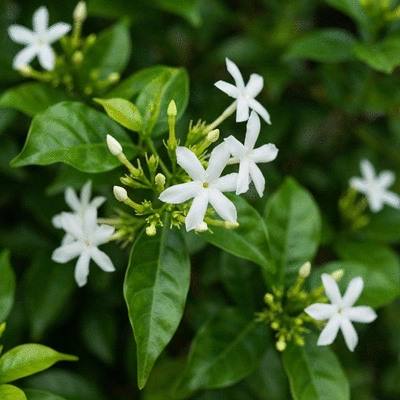
Welcome to the world of the star jasmine plant, or Trachelospermum jasminoides! This evergreen beauty is celebrated for its stunning star-shaped white flowers that perfume the air with a delightful fragrance. As a passionate gardener, I can tell you that adding star jasmine to your garden can create a vibrant and aromatic space!
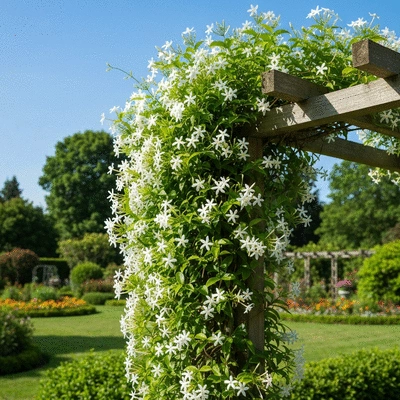
Star jasmine is not just a pretty face; it’s versatile and hardy. You can train it to climb trellises or let it cascade over walls, making it a fantastic addition to various garden styles. Its glossy green leaves add a lush backdrop that complements any flower or shrub.
The star jasmine plant is often mistaken for true jasmine plants due to its fragrant flowers and similar appearance. However, this plant belongs to a different family and showcases unique characteristics. Notably, its glossy leaves and climbing growth habit make it perfect for vertical gardening! If you're interested in maximizing your garden space, exploring the benefits of vertical gardens can provide even more inspiration.
As you consider incorporating star jasmine into your garden, think about the impact of its fragrance and beauty. This plant not only creates a stunning visual but also offers a sensory experience that will attract both visitors and pollinators.
Star jasmine is recognized for its glossy green leaves and the milky sap that can be found in its stems. This sap is a unique feature of the plant, setting it apart from others in the garden. When you see those star-shaped flowers, you’ll be reminded of why this plant is so beloved!
Understanding these characteristics is essential for proper care and cultivation. It’s the little details that make a big difference in creating a thriving garden with star jasmine!
Have you had success growing star jasmine in your garden? What tips or experiences would you like to share with fellow gardeners? Join the conversation below:
To ensure your star jasmine (*Trachelospermum jasminoides*) thrives, understanding its sunlight and location preferences is key! This lovely plant prefers full sun to partial shade, making it perfect for various garden settings. Ideally, aim for at least six hours of direct sunlight daily to promote vibrant growth and abundant flowering.
When selecting a spot for your star jasmine, consider a location that not only receives ample light but also offers some protection from harsh winds. This will help your plant flourish and keep it looking its best throughout the growing season.
Have you thought about using trellises or fences? Star jasmine is a fantastic climbing vine, so be sure to consider vertical spaces for a beautiful display!
Choosing the right soil is essential for growing star jasmine successfully. A well-drained soil mix is crucial to avoid waterlogged roots, which can lead to serious problems. The ideal soil should be rich in organic matter, so consider mixing in compost or aged manure to boost its nutrient content.
For optimal growth, aim for a soil pH between 6.0 and 7.0. This range encourages healthy root development and ensures your star jasmine receives the necessary nutrients. Remember, good drainage is your friend!
By paying attention to these soil requirements, you'll be setting the stage for a thriving star jasmine plant that will bring beauty to your garden!
Star jasmine is a hardy plant that thrives in USDA zones 8 through 11. If you're located in these zones, you're in luck! However, if you're outside these areas, don't fret—there are ways to adapt care for different climates.
In cooler regions, consider planting star jasmine in containers so you can bring them indoors during winter. This will help protect them from frost and extreme temperatures. For warmer areas, ensure adequate watering during dry spells to maintain healthy growth.
With the right conditions and a little care, your star jasmine will flourish, showcasing its beautiful blooms and lush foliage for years to come! To learn more about tailoring your garden to your specific location, you can always discover your USDA planting zone.
Here is a quick recap of the important points discussed in the article: