Seed Selection Comparison
Hybrid seeds offer resilience and higher yields, while Heirloom seeds provide rich flavor and historical significance, potentially with less disease resistance. Organic seeds support sustainability and soil health.
Join Clara M. Greene's community for expert tips and seasonal guides tailored for American gardeners.
Posted on: 2026-04-04
By: Clara M. Greene
Choosing the right cucumber seeds can transform your gardening experience. With so many varieties available, understanding their unique traits is essential for a bountiful garden. This guide will provide you with the insights you need to cultivate the best cucumbers possible!
Discover key factors in choosing cucumber seeds and essential growing instructions for a thriving garden, summarized below. When selecting your cucumber seeds, consider factors like climate suitability and desired cucumber type. For more general guidance on seed selection, you might find our article on choosing the right gardening seeds helpful.
Hybrid seeds offer resilience and higher yields, while Heirloom seeds provide rich flavor and historical significance, potentially with less disease resistance. Organic seeds support sustainability and soil health.
Expect first fruits in 50-70 days. Harvest when dark green and firm. Regular harvesting encourages more production. Consistent watering, pest control, and nutrients are key.
As a passionate gardener, I know the joy of stepping into my garden and seeing those vibrant green cucumbers thriving! When it comes to choosing the right cucumber seeds, understanding your options is key to success. Each variety offers unique flavors and growing characteristics that can make a big difference in your garden. Let's explore the different types of cucumber seeds available, so you can select the best ones for your garden!
When you think of cucumbers, a few popular cultivars probably come to mind! Here are some favorites you might consider:
Each of these cultivars has its own growing requirements and flavors, so think about what fits best into your gardening plans.
Next, let’s dive into the difference between hybrid and heirloom cucumber seeds. Hybrids are bred for specific traits like disease resistance and higher yields, while heirlooms offer unique flavors and historical significance. Here’s a quick comparison:
Choosing between these options depends on whether you prioritize flavor or resilience in your garden!
If sustainability is important to you, consider planting organic cucumber seeds. These seeds are grown without synthetic fertilizers and pesticides, making them a great choice for eco-conscious gardeners. For more detailed information on sustainable gardening practices, explore our organic gardening tips for beginners.
By selecting organic seeds, you’re not only nurturing your garden but also contributing to a more sustainable environment.
One of the most important factors in selecting cucumber seeds is their disease resistance. Diseases like powdery mildew and cucumber mosaic virus can wreak havoc in your garden. Look for seeds labeled as resistant to these common issues to ensure a healthy crop!
When purchasing seeds, check the packaging for the viability date. Fresh seeds typically yield better results. This means looking for seeds that have been packaged within the last year or two, as older seeds may have lower germination rates.
Some seeds come pre-treated to promote germination success. Treatments like fungicides can protect seeds from diseases, while inoculants can enhance nutrient uptake. Always read the labels to understand what treatments have been applied and how they might affect your gardening practices!
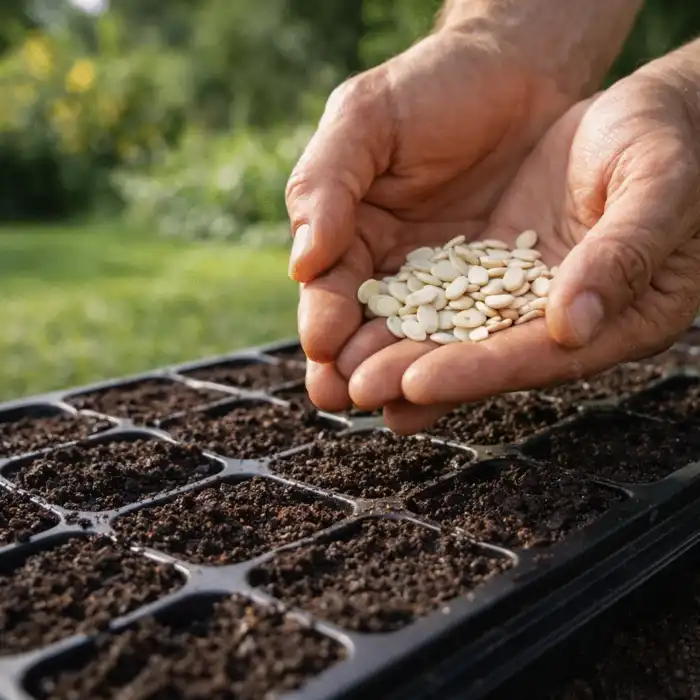
Planting cucumbers correctly is crucial for their growth. Generally, you want to plant cucumber seeds about 1 inch deep, with spacing of about 12-36 inches between plants. This spacing allows for plenty of air circulation and room for growth!
Cucumbers thrive in warm temperatures, needing at least 70°F to germinate effectively. Make sure to choose a sunny spot in your garden—cucumbers love the sun! They need at least six hours of sunlight a day for optimal growth.
Watering is an essential part of nurturing your cucumber seedlings. I recommend using a gentle watering technique to avoid displacing the seeds. Keep the soil consistently moist but not soggy; too much water can lead to rot, while too little can stunt growth.
Understanding your hardiness zone is critical for successful cucumber cultivation. Each zone has its unique planting times, so creating a planting calendar tailored to your region can help you optimize your growing season! To better understand your specific zone, refer to our guide on USDA Hardiness Zones explained.
Different climates may necessitate adjustments in your gardening techniques. For example, if you live in a hotter region, you may need to provide shade for your cucumbers during the hottest part of the day. In cooler areas, starting seeds indoors can give them a head start!
Finally, ensuring the right growing conditions is key. Cucumbers prefer well-draining soil rich in organic matter. Regularly check the moisture level and adjust as needed to create the perfect environment for your plants to thrive!
If space is limited, don’t worry! You can still grow cucumbers indoors or in containers. Using large pots and providing support for climbing varieties can yield delicious results. Just make sure they receive enough light, perhaps with the help of grow lights!
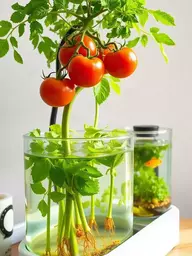
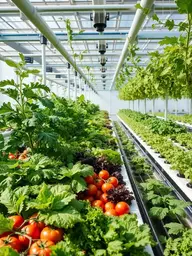
For those interested in hydroponics, cucumbers can thrive in this soil-less method! It requires careful monitoring of nutrient levels and water quality, but growing in a hydroponic system can lead to faster growth and higher yields.
Vertical gardening is an innovative way to maximize space, especially if you’re short on room! Using trellises allows cucumbers to grow upward, saving ground space and making harvesting easier. Plus, this method can improve air circulation around your plants!
As you nurture your cucumbers, expect to see the first fruits within 50 to 70 days after planting. Keeping a close eye on watering, pest control, and nutrients will contribute to a bountiful harvest!
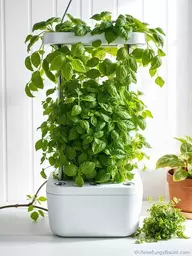
Managing pests organically is vital for healthy cucumber plants. Companion planting with herbs like basil can deter pests while enhancing flavors. Always keep an eye out for signs of trouble, like wilting or discolored leaves!
When it’s time to harvest, pick cucumbers at their peak for the best flavor. Aim for a dark green color and firm texture. The more you harvest, the more your plants will produce, so keep those cucumbers coming!
To maximize the yield of your cucumber plants, consider companion planting with herbs like basil and dill. These herbs not only enhance the flavor of your cucumbers but also help deter pests that can harm your crops. Additionally, rotating your cucumber crops annually can prevent soil-borne diseases and promote healthier plants!
A: Hybrid seeds are bred for specific traits like disease resistance and higher yields, often resulting in more resilient plants. Heirloom seeds are open-pollinated varieties passed down through generations, known for their unique flavors and historical significance, though they might be less disease-resistant.
A: Organic cucumber seeds are grown without synthetic fertilizers and pesticides, promoting biodiversity and soil health. They are a great choice for eco-conscious gardeners, safer for pollinators, and can yield cucumbers richer in flavor.
A: Cucumber seeds should generally be planted about 1 inch deep. The spacing between plants should be approximately 12-36 inches to allow for adequate air circulation and room for growth.
A: Cucumbers require warm temperatures, ideally at least 70°F (21°C), for effective germination. They also need a sunny spot, receiving at least six hours of direct sunlight per day for optimal growth.
A: Yes, cucumbers can be successfully grown indoors or in containers, especially if space is limited. Use large pots and provide support for climbing varieties. Ensure they receive sufficient light, supplementing with grow lights if necessary.
As we wrap up our journey through the world of cucumber seeds, it's clear that making informed choices can significantly enhance your gardening experience! Cucumber cultivation can be a rewarding endeavor, provided you understand the different varieties available and the specific needs of your chosen seeds.
Throughout this article, we've explored various aspects of cucumber gardening—from selecting the right cultivar to understanding essential growing techniques. Here’s a quick recap of the key takeaways:
Now that you’ve got a solid foundation, I’d love to hear about your own cucumber adventures! Have you tried different varieties, or do you have some unique growing techniques that work for you? At All American Gardeners, we believe in building a community of passionate gardeners, and your insights could help someone else on their journey!
Feel free to share your stories and tips in the comments below. Remember, gardening is not just about the plants; it’s about the joy and experiences we cultivate along the way. Happy gardening!
Here is a quick recap of the important points discussed in the article: