Choosing the right seeds can be the difference between a thriving garden and a disappointing harvest. What if you could unlock the secrets to growing chives that burst with flavor and resilience? Let’s delve into the essential takeaways that will transform your chive gardening journey!
What You Will Learn
Chive seeds come in various types, including Common, Garlic, and Heirloom, each offering unique flavors and benefits.
Opt for heirloom and organic seeds to promote biodiversity and healthier gardening practices.
Organic chives not only taste better but also contribute to sustainable gardening by reducing chemical use.
Proper harvesting techniques, such as cutting only a third of the plant, encourage regrowth and ensure a continuous supply of fresh chives.
Regularly harvesting chives stimulates new growth, making them an easy herb to maintain throughout the season.
Chive Seed Varieties and Benefits
Delve into the characteristics and advantages of different chive seed types, including key benefits of organic cultivation. For those looking to broaden their gardening horizons, understanding how to choose the right gardening seeds can provide a comprehensive foundation for any plant.
Chive Seed Varieties
Explore the unique qualities of different chive seeds, setting the foundation for your garden's success.
✓Common Chives: Mild onion flavor, vibrant green.
✓Garlic Chives: Garlicky taste, complements many dishes.
Opting for organic seeds enhances health, flavor, and environmental sustainability.
✓Healthier Plants: More resilient to pests and diseases.
✓Better Flavor: More robust and rich taste.
✓Environmental Impact: Reduces chemical runoff, promotes biodiversity.
Understanding Chive Seeds: The Foundation for Successful Growth
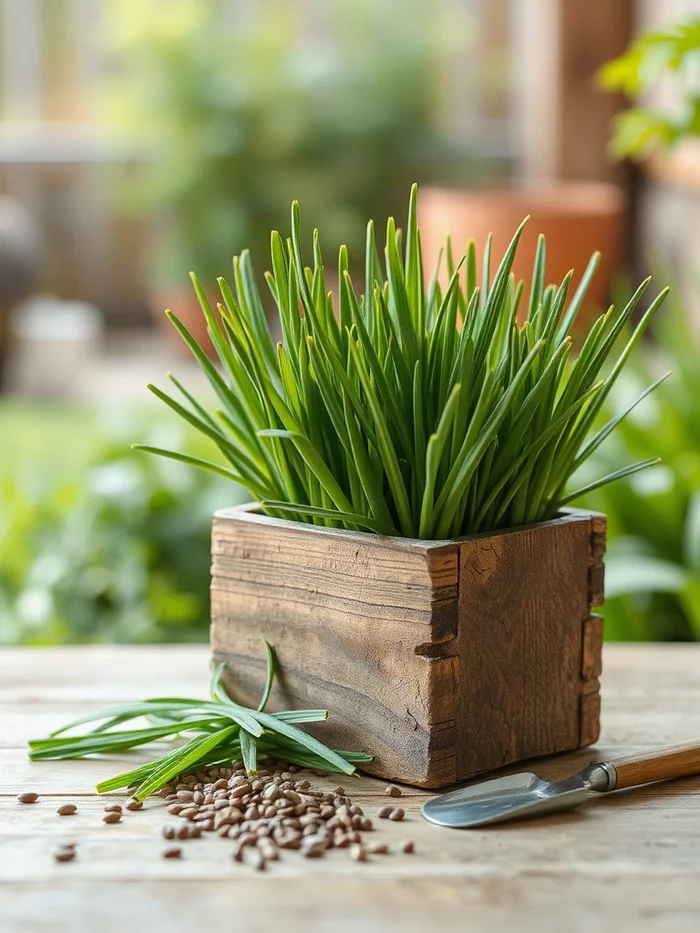
Welcome to the delightful world of chive gardening! As a passionate gardener, I can tell you that the journey begins with understanding the importance of chive seeds. These tiny powerhouses are the foundation for growing flavorful and vibrant chives in your garden. Whether you're a novice or a seasoned gardener, knowing the right seed types and their characteristics can set you on the path to success!
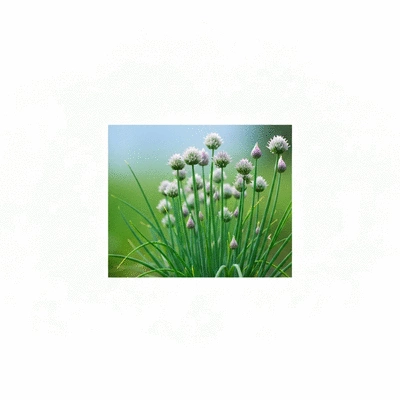
Chives (Allium schoenoprasum) are not only a culinary delight but also an easy herb to grow. They thrive in various conditions, making them a favorite among home gardeners. In this section, we’ll explore the different types of chive seeds available, including heirloom and organic varieties.
What Are Chive Seeds and Their Varieties?
Chive seeds come in a few different varieties, each offering unique qualities that can enhance your garden. Here’s a quick overview:
Common Chives: The most popular variety, known for its mild onion flavor and vibrant green color.
Garlic Chives: A delightful twist, with a garlicky taste that pairs well with many dishes.
Heirloom Chives: These are traditional varieties that have been passed down through generations, often offering richer flavors.
Choosing the right type of chive seeds can greatly influence your gardening experience. Heirloom varieties, for example, can bring unique flavors to your kitchen while also contributing to biodiversity in your garden. For those interested in growing their own herbs, check out our guide on growing your own herb garden for more tips.
Exploring Heirloom and Organic Chive Seeds
When considering chive seeds, you might come across heirloom and organic options. Heirloom seeds are open-pollinated, which means they can be saved and replanted year after year. This is not only economical but also promotes genetic diversity. Organic seeds, on the other hand, are grown without synthetic chemicals, making them a healthier choice for both you and the environment.
At All American Gardeners, we proudly support the use of organic seeds. Not only do they contribute to sustainable gardening practices, but they also ensure that you’re growing chives that are free from harmful pesticides. Trust me, your taste buds (and the planet) will thank you!
Why Choose Organic or Non-GMO Chive Seeds?
Choosing organic or non-GMO chive seeds is about more than just personal preference; it’s a commitment to quality and sustainability! With rising concerns about the impact of conventional farming, many gardeners are discovering the benefits of organic practices.
Healthier Plants: Organic seeds are often more resilient to pests and diseases.
Better Flavor: Many gardeners, including myself, find that organic chives offer a more robust and rich flavor.
Environmental Impact: Supporting organic farming helps reduce chemical runoff and promotes biodiversity.
Incorporating organic chives into your meals not only enhances flavor but also supports your commitment to a healthier lifestyle. Imagine snipping fresh chives from your garden to sprinkle over your favorite dishes—there’s nothing quite like it! For more sustainable gardening ideas, explore our organic gardening tips for beginners.
Benefits of Growing Organic Chives for Your Kitchen
Growing organic chives in your kitchen garden brings numerous benefits! Not only do they add a fresh burst of flavor, but they also offer several health benefits:
Rich in Nutrients: Chives are a good source of vitamins A and C, along with essential minerals.
Natural Pest Repellent: Their strong aroma can help deter certain pests, providing a natural form of pest control.
Easy to Grow: Chives are hardy and can thrive in various conditions, making them perfect for beginners!
By choosing to grow organic chives, you’re not just enhancing your meals; you’re also contributing to a healthier planet. Let’s dig into the next part of our gardening journey and prepare to sow these wonderful seeds!
We Want to Hear From You!
As you embark on your chive-growing journey, what challenges or successes have you experienced? Share your thoughts below:
Frequently Asked Questions About Chive Seeds and Growing Chives
Q: What are the main varieties of chive seeds?
A: The main varieties include Common Chives (mild onion flavor), Garlic Chives (garlicky taste), and Heirloom Chives (richer flavors, promotes biodiversity).
Q: Why should I choose organic or non-GMO chive seeds?
A: Choosing organic or non-GMO seeds results in healthier plants more resilient to pests and diseases, offers a more robust flavor, and reduces chemical runoff, promoting environmental biodiversity.
Q: What are the benefits of growing organic chives for my kitchen?
A: Organic chives are rich in vitamins A and C, act as a natural pest repellent due to their strong aroma, and are easy to grow, making them perfect for beginners.
Q: When is the best time to harvest chives for optimal flavor?
A: The best time to harvest chives is when they are at least 6 inches tall, typically 4-6 weeks after planting. Harvesting in the morning after the dew has dried ensures maximum flavor.
Q: How can I encourage my chive plants to regrow after harvesting?
A: To encourage regrowth, use sharp scissors to make clean cuts, harvest from the outside of the clump, and only cut about one-third of the plant at a time. Regularly snipping them every couple of weeks will also stimulate new shoots.
Harvesting and Maximizing Flavor from Your Chive Plants
Are you excited to enjoy the fruits of your labor? Harvesting chives is one of the most rewarding parts of gardening! When you pick your chives at the right time, you'll unlock a burst of flavor that can elevate your dishes. So, let’s dive into how and when to harvest chives for the best culinary experience!
How and When to Harvest Chives for Best Flavor
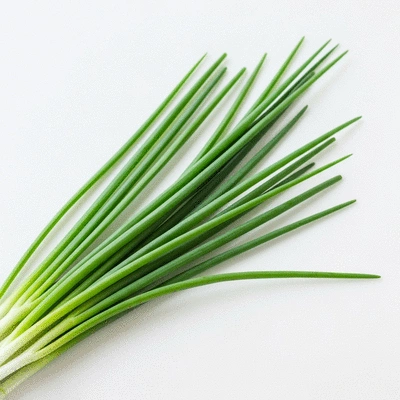
The best time to harvest chives is when they are at least 6 inches tall. This usually happens around 4-6 weeks after planting. What I love about chives is their resilience; you can cut them back and they will keep growing! To ensure maximum flavor, it’s best to harvest in the morning after the dew has dried.
Use sharp scissors or garden shears to make a clean cut.
Harvest from the outside of the clump to encourage new growth in the center.
Only cut about one-third of the plant at a time to avoid stressing it.
By following these simple tips, you can enjoy fresh chives throughout the growing season. Remember, the more you harvest, the more your chives will thrive!
Understanding Regrowth: Cutting Techniques and Frequency
Now that we’ve covered when to harvest, let’s talk about how to encourage regrowth. Chives are known for their vigorous nature, but they do have some preferences. Regular harvesting not only enhances their flavor but also stimulates growth.
Chive Harvesting Techniques for Optimal Taste
Here are some effective cutting techniques to keep your chives growing strong:
Snip, don’t pull: Always snip the leaves rather than pulling them to prevent damage to the roots.
Rotate harvest locations: Change your cutting spot each time to ensure even growth and avoid over-harvesting one area.
Timing is key: Cut chives every couple of weeks to encourage new shoots and ensure a continual supply of fresh herbs.
Keep an eye on your chive plants, and you'll soon find that they reward your care with a lush and flavorful bounty! For more detailed advice on maintaining healthy plants, be sure to read our guide on year-round plant care.
Recap of Key Points
Here is a quick recap of the important points discussed in the article:
Understand Chive Seeds: Familiarize yourself with different varieties of chive seeds, including Common, Garlic, and Heirloom chives.
Choose Organic for Quality: Opt for organic or non-GMO chive seeds for healthier plants and a commitment to sustainability.
Harvesting Techniques: Harvest chives properly by using sharp tools and cutting from the outside to encourage new growth.
Maximize Flavor: Harvest in the morning after the dew has dried for the best flavor in your dishes.
Encourage Regrowth: Regularly snip chives every few weeks to promote continuous growth and flavor.
Final content section.
Subscribe & Share
2026-08-28
Growing Herbs with Hydroponics
Why settle for store-bought herbs when you can grow your own at home, in any space? Hydroponic garde
2026-08-27
Growing Sweet Corn from Seeds
Ready to transform your gardening experience? Selecting the right sweet corn seeds can make all the
Growing Your Own Garlic Bulbs
As you prepare to embark on your journey of growing garlic, consider this: garlic cultivation isn't
All American Gardeners
Your premier online resource for mastering home gardening across the U.S. We empower American home gardeners with expert tips, step-by-step guides, and sustainable practices for thriving outdoor spaces.
Trusted by gardeners nationwide, our mission is to provide reliable, easy-to-follow insights backed by Clara M. Greene's extensive horticulture experience and practical advice.