Growing Conditions & Purpose
Consider climate, soil type, and your desired outcome (decoration, wildlife, cooking). Easy-to-grow varieties are best for beginners.
- ✓ Climate & Soil
- ✓ Purpose
- ✓ Ease of Growth
Join Clara M. Greene's community for expert tips and seasonal guides tailored for American gardeners.
Posted on: 2026-05-28
By: Clara M. Greene
Choosing the right sunflower seeds can transform your garden into a vibrant display of color and beauty. Understanding the different varieties and their uses is crucial for a successful gardening experience. Here’s what you will learn about sunflower seeds and how to make the best choices for your home garden.
Selecting the ideal sunflower seeds is crucial for a successful and vibrant garden. Different types serve varied purposes, from ornamental beauty to attracting wildlife. Below is a comparison of key varieties and their benefits. For those interested in starting their gardening journey, understanding the various types of seeds available is a great first step. You can explore more about choosing the right gardening seeds to ensure your garden thrives.
Consider climate, soil type, and your desired outcome (decoration, wildlife, cooking). Easy-to-grow varieties are best for beginners.
Different varieties offer distinct features for aesthetic value, oil production, or attracting local wildlife.
Opt for seeds that promote biodiversity and healthier gardening practices, supporting a sustainable future.
Follow these practical steps to cultivate stunning sunflowers and ensure healthy development from seed to bloom.
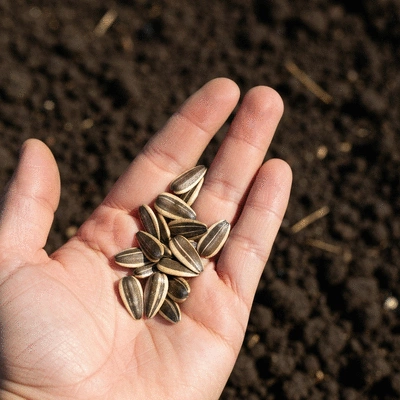
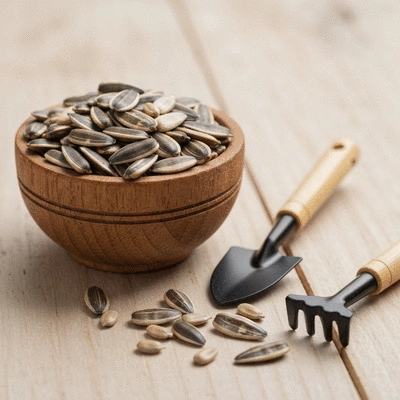
Sunflower seeds are not just for snacking—they're a fantastic choice for home gardeners! Choosing the right sunflower seeds can transform your garden into a vibrant display of color and beauty. They matter significantly because the right seeds will thrive in your specific growing conditions, ensuring you get the most out of your gardening efforts. Let's dive into why selecting the correct seeds is so crucial.
When it comes to planting sunflower seeds, the variety you choose can greatly impact your garden's success. Different sunflower varieties have unique characteristics, such as height, bloom time, and appearance. By selecting the right type, you can align your gardening goals with the specific attributes of the seeds. For example, some sunflowers are better suited for cut flowers, while others make great wildlife attractants.
By contemplating these factors, you set yourself up for a successful sunflower-growing experience. Plus, it makes the gardening journey much more enjoyable! For more advice on creating a thriving garden, consider our organic gardening tips for beginners.
Sunflower seeds come in various types, each with its unique set of features. Knowing these differences will help you make an informed choice. For instance, there are traditional sunflowers, which are typically grown for their stunning blooms, and oilseed sunflowers, cultivated primarily for oil extraction. This knowledge is key to maximizing your garden's potential!
Each type of sunflower serves a different purpose, making it essential to understand what you wish to achieve with your garden. Whether you're drawn to their beauty or utility, there's a sunflower variety for everyone!
As a devoted gardener, I know how important it is to consider the source of your seeds. Organic and non-GMO sunflower seeds are gaining popularity, particularly among those of us committed to sustainable gardening practices. These seeds not only promote a healthier garden but also support biodiversity. Heirloom varieties are another exciting option! They have been passed down through generations and often come with unique traits that can add charm to your garden.
By choosing the right variety, you not only enrich your garden but also contribute to a more sustainable future. At All American Gardeners, we're passionate about helping you find the best seeds to suit your gardening style and philosophy!
When selecting sunflower seeds, consider companion planting! Sunflowers can attract beneficial insects and pollinators to your garden, helping to enhance the growth of nearby plants. Pair them with vegetables like tomatoes or peppers for an optimal garden setup!
A: When choosing sunflower seeds, consider your gardening goals (e.g., ornamental, wildlife, oil production), your local climate, soil type, and the mature height and bloom time of the sunflower variety. For beginners, easy-to-grow varieties are recommended.
A: There are generally three main types: Ornamental Sunflowers (for aesthetic appeal), Oilseed Sunflowers (for cooking oil production), and Birdseed Sunflowers (to attract and feed local wildlife).
A: Choosing organic seeds means they are grown without synthetic fertilizers or pesticides, promoting a healthier garden. Non-GMO seeds ensure they haven't been genetically modified. Heirloom seeds offer unique characteristics and flavors, often better adapted to local conditions, and support biodiversity and sustainable gardening practices.
A: The key steps involve selecting the appropriate seeds, preparing your garden soil to be well-drained and nutrient-rich, following timing guidelines for planting, implementing proper watering and fertilization strategies, and regularly monitoring your plants for pests and diseases.
A: Sunflowers can attract beneficial insects and pollinators to your garden, which can enhance the growth of nearby plants. They can also serve as a natural food source for local wildlife, contributing to the ecosystem's health.
As we wrap up our journey into the world of sunflower seeds, it’s essential to highlight a few key takeaways that can help you in your home gardening adventure. Sunflowers are not only beautiful but also incredibly rewarding to grow! Remember, choosing the right seeds, understanding your planting environment, and caring for your plants will set you up for success.
Here’s a quick recap of what we’ve covered: from selecting quality seeds that fit your gardening goals to preparing your garden for these vibrant beauties. Let’s make sure you’re equipped with the best practices to bring sunflowers to life in your backyard!
Now that you have a solid understanding of sunflower seeds and their importance, it’s time to jump into action. Here are some practical next steps to get started with growing your own sunflowers:
By following these steps, you’ll be well on your way to cultivating stunning sunflowers that can brighten up your garden and provide joy throughout the growing season! For more detailed guidance on plant care, check out our plant care tips for home gardeners.
At All American Gardeners, we love hearing from fellow gardening enthusiasts! Your experiences with sunflower cultivation can inspire others, and we invite you to share your stories. Whether it’s a delightful recipe featuring sunflower seeds or tips from your gardening journey, your insights are invaluable.
Join our community by sharing your sunflower growing challenges and triumphs! Connect with us on social media or through our website, and let’s grow together. After all, gardening is more fun when we can share our successes and learn from each other!
Here is a quick recap of the important points discussed in the article: