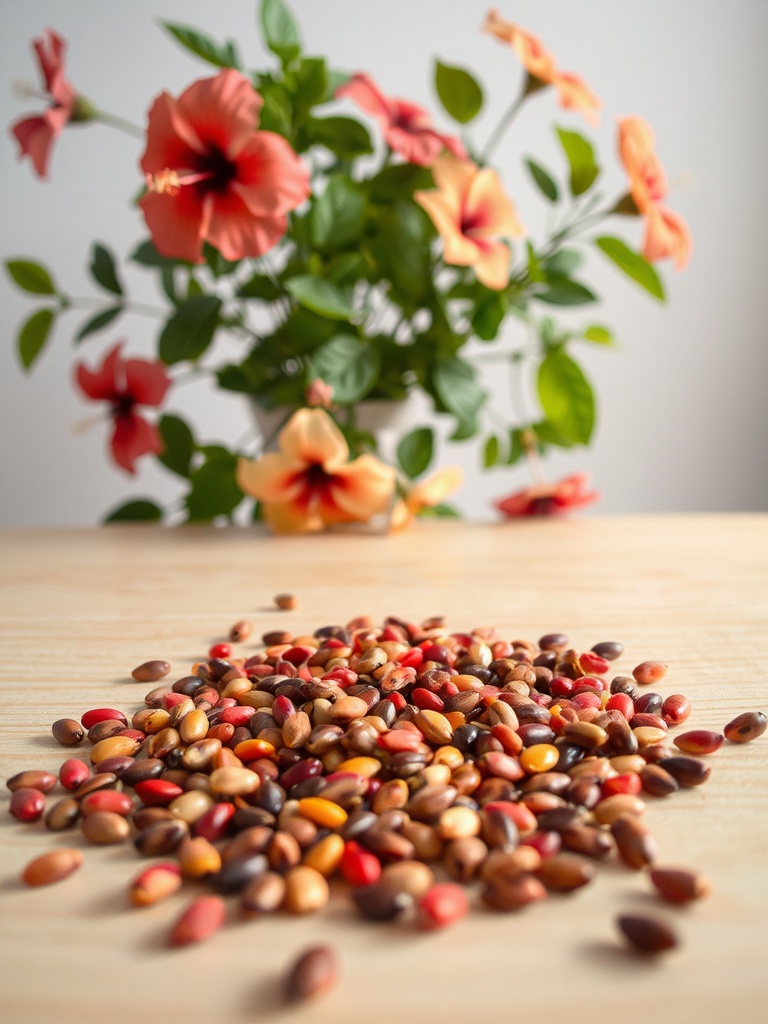
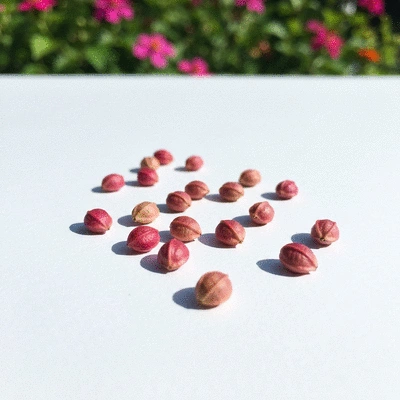
Hardy vs. Tropical Seeds
Hardy Hibiscus
- Larger Size
- Tougher Seed Coat
- Climate Adaptable
Tropical Hibiscus
- Smaller Size
- Delicate Seed Coat
- Warm Climates
Join Clara M. Greene's community for expert tips and seasonal guides tailored for American gardeners.
Posted on: 2026-07-24
By: Clara M. Greene
Did you know that understanding the specific characteristics of hibiscus seeds can significantly improve your gardening success? Knowing these details helps you choose the right seeds that thrive in your conditions. Let's delve into the essential traits of these vibrant seeds!
Delve into the distinct characteristics of different hibiscus seeds and a straightforward process for successful harvesting. Understanding these nuances is crucial for choosing the right gardening seeds to cultivate thriving plants.
Pods Turn Deep Brown
Pods Start Splitting Open
Harvest on Dry Days
As a gardener passionate about hibiscus, I find it incredibly rewarding to dive into the world of these vibrant plants! Understanding what hibiscus seeds look like is the first step in your gardening journey. So, let’s explore the unique characteristics that set them apart and how to identify viable seeds.
When it comes to identifying hibiscus seeds, you'll notice they have a few distinctive traits. Typically, hibiscus seeds are small, oval-shaped, and come in various shades of brown to dark brown. Their smooth texture is another key feature to look for, making them easier to spot among other garden debris. To ensure you're selecting viable seeds, look for those that are firm and unblemished, avoiding any that appear shriveled or discolored.
By knowing these characteristics, you'll have more confidence in selecting the best seeds for your garden. Trust me, having a good start can make all the difference!
Now, let’s talk about hardy hibiscus seeds specifically. These seeds often stand out due to their robust nature, which allows them to thrive in various climates. They are generally larger than tropical hibiscus seeds and feature a tougher seed coat, providing protection against harsh conditions. This resilience makes them a popular choice for many home gardeners looking to create lasting blooms, especially when considering USDA hardiness zones.
Identifying these traits can help ensure that you choose the right seeds for your growing conditions. At All American Gardeners, we emphasize the importance of understanding what you're planting to maximize your gardening success!
In the realm of hibiscus, two prominent varieties are often discussed: Hibiscus rosa-sinensis and Hibiscus sabdariffa. While both possess unique beauty and applications, their characteristics vary significantly. Hibiscus rosa-sinensis, commonly known as the Chinese hibiscus, is primarily grown for its stunning flowers and ornamental use. On the other hand, Hibiscus sabdariffa, also known as roselle, is often cultivated for its edible properties, particularly the calyces that are used in herbal teas and syrups.
Understanding these differences not only helps in identification but also guides you in choosing the right variety based on your gardening goals. Whether you're looking to beautify your garden or add some unique flavors to your kitchen, knowing your hibiscus types is key!
Hibiscus seeds can remain viable for up to 4 years if stored properly! Keeping them in a cool, dry place will enhance their germination rates when you're ready to plant.
Harvesting hibiscus seeds is an exciting part of the gardening journey! Knowing when and how to collect seeds can make a big difference in their viability. You’ll want to look for a few key signs that indicate your seeds are ready for harvest. First, observe the color of the seed pods; they should shift from green to brown. Additionally, you may notice that the pods start to split open, which is a clear sign that the seeds inside are mature and waiting for you!
The optimal timing for harvesting hibiscus seeds aligns with specific indicators. Generally, you should aim to harvest when:
It’s best to keep an eye on your hibiscus plants as they bloom and start forming pods. Patience is key—harvesting too early can result in underdeveloped seeds, so make sure the pods have fully matured before taking them off the plant!
Ready to gather your seeds? Here’s a step-by-step guide to ensure you collect them without damaging the pods:
Using these techniques can help you gather high-quality seeds for your next gardening adventure. Remember, I always find collecting seeds to be a joyful way to reflect on the growth and beauty of your hibiscus plants!
Here are some common questions about hibiscus seeds to help you further your gardening endeavors:
Here is a quick recap of the important points discussed in the article:
Final content section.