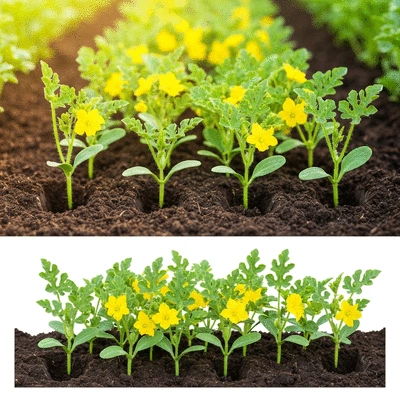
Optimal Planting Timings
Soil Temperature: Ideal at 70°F (21°C)
Frost Dates: Plant after last frost has passed
Planting Season: Late spring to early summer
Harvest: Typically 70-90 days after planting
Key Timing
Join Clara M. Greene's community for expert tips and seasonal guides tailored for American gardeners.
Posted on: 2026-07-18
By: Clara M. Greene
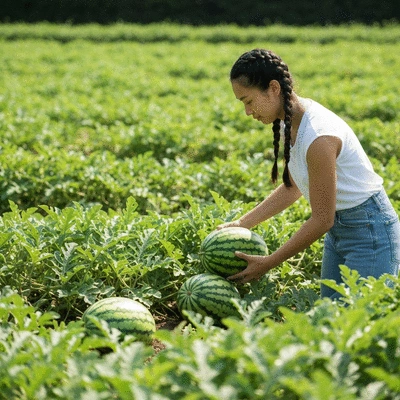
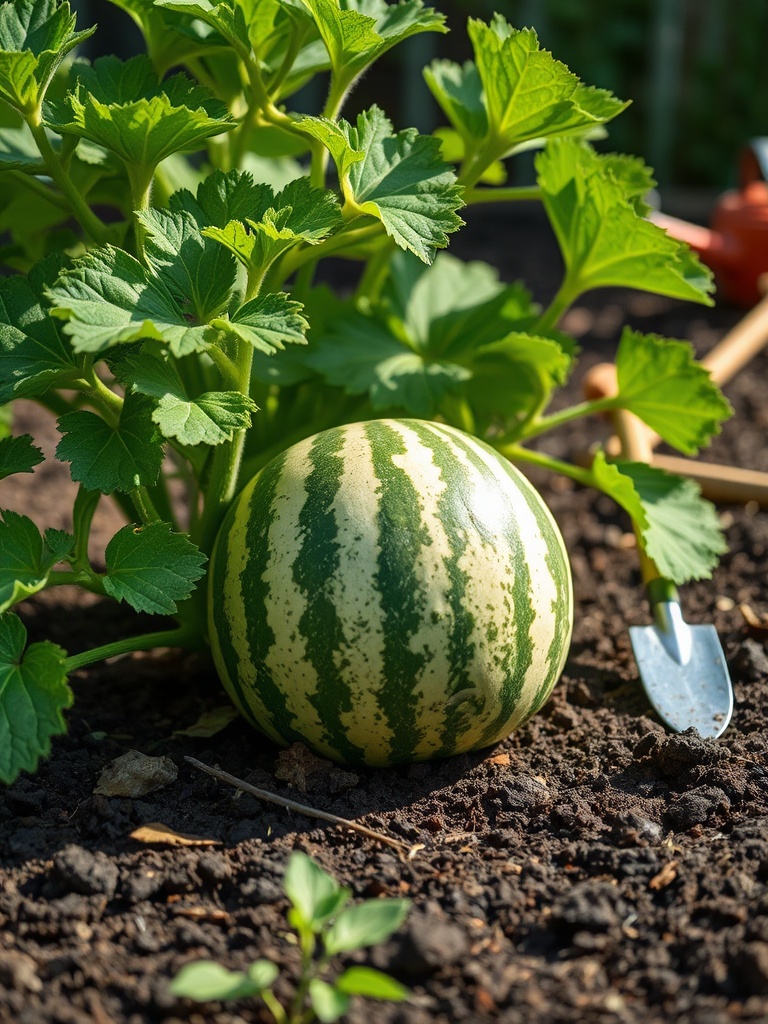
As the warmth of spring beckons, imagine filling your backyard with the vibrant colors and sweet aromas of home-grown watermelons. This journey not only enhances your meals but fosters a deeper bond with nature as you cultivate these delightful fruits from seed to harvest.
Achieving a bountiful watermelon harvest hinges on understanding crucial planting timings and effective cultivation strategies. For more detailed insights into planning your garden, explore our guide on USDA Hardiness Zones Explained.
Soil Temperature: Ideal at 70°F (21°C)
Frost Dates: Plant after last frost has passed
Planting Season: Late spring to early summer
Harvest: Typically 70-90 days after planting
Plant Spacing: 36-42 inches between plants
Hills: 2-3 seeds/hill, 4-6 feet apart
Rows: Space 6-8 feet apart for sprawling growth
Sunlight: At least 6-8 hours full sun daily
Soil Type: Nutrient-rich, well-drained soil
pH Level: Optimal between 6.0 and 6.8
Watering: Deeply once a week (soil moist, not soggy)
Fertilizer: Balanced, high in potassium & phosphorus
Tendril: Nearest dry and brown
Underside: Creamy yellow spot where it touches ground
Skin: Dull, not shiny
Harvesting: 70-90 days after planting
As spring rolls in, many of us at All American Gardeners start dreaming of juicy, sweet watermelons! Growing watermelons in your garden can be incredibly rewarding, and let me tell you, there’s nothing quite like enjoying a slice that you’ve nurtured from seed to harvest. Let’s explore why you should consider this delightful fruit for your garden!
First off, why should you grow watermelons? Well, aside from their delicious taste, home-grown watermelons bring numerous benefits to your garden and table. Here are a few reasons:
Growing your own watermelons not only enhances your meals but also deepens your connection to your garden. It’s a win-win!
Home-grown watermelons can be a game-changer! You’ll enjoy the perks of knowing exactly how they were grown, ideally using sustainable practices. Plus, you can choose to grow organic varieties, avoiding harmful pesticides and chemicals. How about that? It’s a step towards a more sustainable lifestyle, and you can feel good about what you're putting on your plate! For more tips on eco-friendly gardening, check out our Organic Gardening Tips for Beginners.
When selecting watermelons, the choices can seem overwhelming! Here’s a quick overview of some popular varieties you might consider:
Choosing the right variety will depend on your space, taste preferences, and the growing conditions in your area. So, think about what you’d enjoy most!
Timing is everything in gardening, and watermelons are no exception! Knowing when to plant is crucial for a successful harvest. Let's break it down.
Watermelons thrive in warm soil, ideally around 70°F (21°C). It's important to wait until the last frost date has passed in your area. This ensures that the soil is warm enough for those seeds to germinate. If you’re unsure about your local frost dates, check with your local extension office or gardening center.
The best time to plant watermelons is typically from late spring to early summer. This timing allows your plants to soak up the sunshine and warmth they crave. For those of us in warmer climates, you might even consider a second planting in late summer for a fall harvest!
Your local climate can significantly influence your watermelon planting strategy. Here are some tips based on different regions:
Understanding your specific regional conditions will set you up for success in growing luscious watermelons!
Once you’ve decided when to plant, it’s time to prepare your garden! Proper preparation will give your watermelon plants the best chance to thrive.
Watermelons need nutrient-rich, well-drained soil to flourish. A soil test can help you understand what amendments are needed to create the perfect growing environment. Aim for a pH level between 6.0 and 6.8 for optimal growth.
Before planting, enrich your garden bed with organic compost or well-rotted manure. Not only does this improve soil structure, but it also provides essential nutrients that your watermelon plants will love. A little preparation can go a long way!
Watermelons thrive in full sun, requiring at least 6-8 hours of sunlight per day. When selecting a location, make sure it has good drainage—waterlogged soil can lead to root rot. Consider raised beds if drainage is an issue in your area.
Proper spacing is key to healthy watermelon growth! Let’s discuss how to effectively layout your garden.
Watermelons require ample space to grow. Plant them in hills or rows, allowing at least 36 to 42 inches between each plant. This spacing ensures that each plant gets enough sunlight and air circulation.
For maximum yield, consider a staggered layout, which allows for better access to each plant while utilizing space efficiently. Here’s a simple guideline for spacing:
With the right arrangement, you’ll set your watermelon plants up for success!
If you have limited space, don’t fret! Consider vertical gardening or container growing. Watermelons can thrive in large containers or even hanging environments if you choose the right varieties. This way, you can enjoy fresh watermelons without needing a large plot of land! To learn more about optimizing small spaces, explore Exploring Vertical Garden Benefits.
Watering and fertilization are critical components of successful watermelon cultivation. Let’s dive into the best practices!
Watermelons need consistent moisture—especially during their fruit development stage. A good rule of thumb is to water deeply once a week, ensuring that the soil remains moist but not soggy. This will encourage deep root growth and strong plants!
Check the soil regularly by sticking your finger into the ground. If it feels dry an inch down, it’s time to water. Mulching around your plants can also help retain moisture and suppress weeds.
To keep your watermelon plants healthy, use a balanced fertilizer high in potassium and phosphorus. Look for fertilizers labeled for fruiting plants, and be sure to follow application instructions closely!
Harvesting your watermelons at the right time is essential for the best flavor. Let’s discuss how to know when your fruits are ready!
When it comes to watermelon harvesting, look for the following signs:
These indicators can help you gauge the perfect time to pick your melons!
Typically, watermelons are ready for harvest 70-90 days after planting. Keep an eye on the weather, as fruit maturation can be affected by hot or cool spells. Timing is everything!
When it’s time to harvest, use a sharp knife or garden shears to cut the stem, leaving a few inches attached to the fruit. Be gentle, as watermelons can bruise easily. Celebrate your hard work with a taste of the fruits of your labor!
Even the best gardeners encounter challenges. Let’s look at some common issues and how to address them.
Watermelons can attract pests like aphids and cucumber beetles, along with diseases such as powdery mildew. Regularly inspect your plants for any signs of trouble, and don’t hesitate to act quickly to protect your crop.
Integrate natural pest control methods, such as introducing beneficial insects like ladybugs or using insecticidal soap. Rotate your crops yearly to minimize pest issues and keep your garden healthy!
If you notice yellow leaves or low yields, it could be a sign of nutrient deficiencies or poor watering practices. Regularly test your soil and make adjustments as necessary—healthy soil leads to healthy plants!
Ready to take your watermelon growing skills to the next level? Here are some advanced techniques to consider.
Using black plastic can help warm the soil faster in spring, promoting early growth. Row covers can protect young plants from pests and unexpected frosts. Both techniques can give your watermelons a great start!
If space is tight, consider growing watermelons in large containers. Choose varieties that are more compact, and ensure the containers have adequate drainage. This way, you can enjoy home-grown watermelons even in small spaces!
Companion planting can enhance your watermelon crop significantly. Consider planting corn or radishes nearby, which can help deter pests and provide some shade. It's all about working with nature!
According to the National Watermelon Promotion Board, Americans consumed over 1.5 billion pounds of watermelon in 2022 alone! This refreshing fruit is not only a summer staple but also an excellent source of hydration, containing over 90% water.
Congratulations on your watermelon planting journey! You've nurtured your plants from seed to harvest, and now it’s time to enjoy the fruits of your labor! Whether you’re planning to slice up a refreshing wedge for a summer picnic or create a delicious fruit salad, there are a few steps to take to ensure your watermelons stay fresh and flavorful.
As you approach the harvest phase, it's essential to keep a close eye on your watermelons. Timing is everything! To help you navigate these final steps, here are some key actions to consider:
Following these steps will lead you to a successful harvest, bringing joy not just to your garden but also to your table!
Once harvested, it’s crucial to store your watermelons properly to keep them fresh. Here are some tips to maximize their shelf life:
Enjoying watermelon is all about sharing, so why not host a small garden gathering? Your friends and family will love tasting the fruits of your hard work!
After you harvest your watermelons, it’s essential to handle them carefully. Here are some best practices to ensure they remain in top condition:
By following these simple guidelines, you can extend the shelf life of your watermelons and enjoy their delicious taste throughout the summer.
As you reflect on your watermelon journey, remember that every gardener started somewhere. Embrace the learning process! With each planting season, you’ll gain valuable experience and confidence.
Joining a community of fellow gardeners can be incredibly rewarding. Share your experiences, successes, and even challenges with others! Engaging with like-minded individuals can offer new insights and foster friendships. Consider:
These connections will enrich your gardening journey and inspire others to take part in the joy of growing!
Gardening is a never-ending learning adventure! To enhance your skills and knowledge, explore various resources tailored to your needs. Here are some recommendations:
Each resource can provide fresh perspectives and ideas to apply in your garden, making every season a chance for growth!
If you have the opportunity, consider joining a community garden. It’s a fantastic way to meet fellow gardeners and learn more about sustainable practices. Benefits include:
Community gardens not only foster a sense of belonging but also promote environmental stewardship, ensuring that gardening continues to thrive in our neighborhoods! For more comprehensive guidance on planting different types of seeds, refer to our article on Choosing the Right Vegetable Seeds.
Here is a quick recap of the important points discussed in the article:
As you approach the harvest phase, it's essential to keep a close eye on your watermelons. Timing is everything! To help you navigate these final steps, here are some key actions to consider:
Following these steps will lead you to a successful harvest, bringing joy not just to your garden but also to your table!