What if I told you that a single plant could transform your garden into a low-maintenance paradise? Creeping thyme not only beautifies your outdoor space but also provides ecological benefits that nurture the environment. Let’s uncover the myriad advantages this versatile ground cover can bring to your gardening experience.
What You Will Learn
Creeping thyme requires minimal care once established, making it perfect for busy gardeners.
The plant enhances aesthetic appeal with vibrant purple flowers and lush green foliage.
It attracts pollinators like bees and butterflies, supporting local ecosystems.
Its roots improve soil health by preventing erosion and enhancing nutrient retention.
Proper preparation and maintenance are key to ensuring the success of this ground cover in your garden.
Why Creeping Thyme is a Gardener's Best Friend
Creeping thyme offers a unique blend of aesthetic appeal and ecological benefits for any garden. Below is a comparison of its practical and environmental advantages, highlighting why it's a top choice for ground cover. To make the most of your gardening efforts, consider these organic gardening tips for beginners.
Practical Benefits: Low Maintenance & Beauty
Effortless Care Drought-Resistant
Once established, requires minimal watering, ideal for dry spells.
Visual Appeal Vibrant & Aromatic
Delicate flowers and lush foliage add color and a delightful scent.
Ecological Impact: Supporting Nature
Biodiversity Boost Attracts Pollinators
Flowers are a magnet for bees and butterflies, supporting ecosystems.
Garden Health Weed Suppression
Dense growth inhibits weeds, improving soil health and plant growth.
Understanding the Benefits of Planting Creeping Thyme as Ground Cover
If you’re looking for a versatile and attractive ground cover, creeping thyme should be at the top of your list! This hardy plant not only enhances your garden’s aesthetic but also offers a multitude of benefits that make it a favorite among many gardeners, including myself. So, let's dive into why creeping thyme deserves a spot in your garden!
One of the biggest draws to creeping thyme is its low-maintenance nature. Once established, this plant requires very little care, making it a perfect choice for busy gardeners like you and me. Plus, it thrives in various conditions, which is particularly advantageous given the diverse climates across the U.S. Are you ready to learn more?
Why Choose Creeping Thyme for Your Garden?
Choosing creeping thyme as your ground cover can transform your garden in several rewarding ways. Here are some compelling reasons to consider:
Low-Maintenance and Drought-Resistant Qualities: Once it’s established, creeping thyme needs minimal watering and thrives in dry conditions.
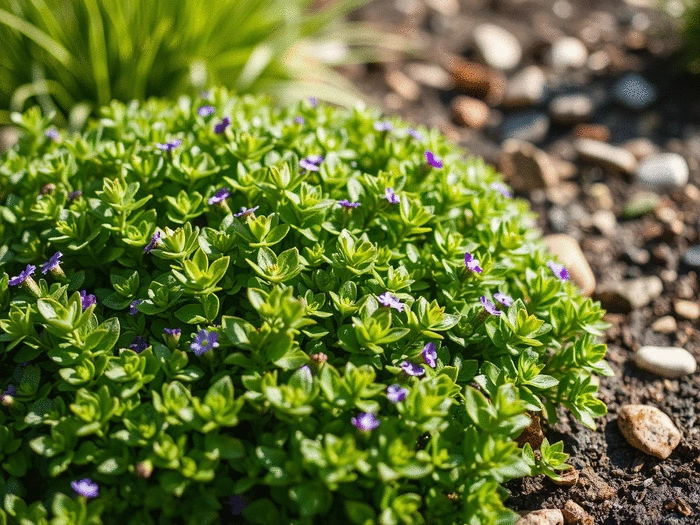
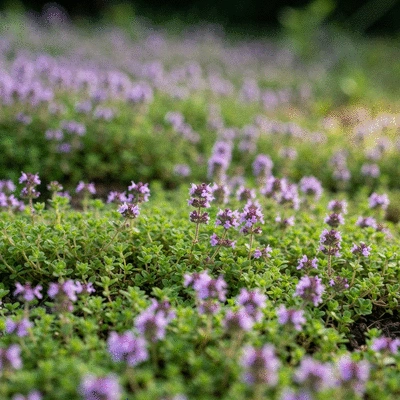
Enhancing Aesthetic Appeal: Its delicate purple flowers and lush green foliage add vibrant color and texture to any space.
These qualities make creeping thyme not just a beautiful addition but also a practical one. I’ve seen many gardens flourish with this hardy plant, bringing both beauty and ease to the gardening process!
Low-Maintenance and Drought-Resistant Qualities
One of the standout features of creeping thyme is how little fuss it requires. This plant is incredibly drought-resistant, meaning it can withstand dry spells without wilting away. Imagine having a plant that can thrive with very little input from you!
Its hardiness also means you can enjoy a gorgeous ground cover without constantly worrying about watering schedules. Less work means more time to appreciate your garden—what’s not to love? For more insights on caring for your plants, check out our essential plant care checklist.
Enhancing Aesthetic Appeal with Ground Cover
Beyond its practical aspects, creeping thyme brings a lovely charm to your outdoor space. The tiny, vibrant flowers create a carpet of color, attracting the eye and enhancing your landscape. Pair it with other flowering plants for a stunning visual effect—trust me, your neighbors will take notice!
Not only does it look great, but it also provides a soft, cushiony surface to walk on. Whether you’re strolling barefoot in your garden or hosting a gathering, the lush greenery adds a touch of comfort.
Ecological Benefits of Creeping Thyme
Creeping thyme is more than just a pretty face; it also plays a vital role in supporting our ecosystem! By incorporating this plant into your garden, you can positively impact your local environment. Here are some ecological benefits worth noting:
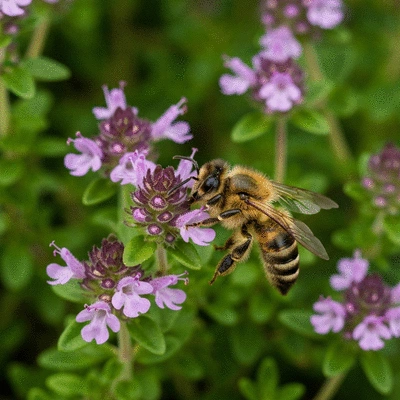
Attracting Pollinators: The flowers of creeping thyme are a magnet for bees and butterflies, helping to sustain these essential creatures.
Weed Suppression: Its dense growth inhibits weed emergence, allowing your other plants to thrive without competition.
Creating a Wildlife Habitat: This plant provides shelter and food for small creatures, promoting biodiversity.
By planting creeping thyme, you’re not just beautifying your own garden; you’re also playing an active role in supporting local wildlife and maintaining ecological balance. Isn’t that wonderful?
Attracting Pollinators to Your Garden
One of the most significant benefits of creeping thyme is its ability to attract pollinators. The small flowers bloom throughout the summer, providing a rich source of nectar for bees and butterflies. This is particularly important as many pollinator species are facing challenges worldwide.
By fostering a garden that welcomes these creatures, you’re helping to ensure the health of the ecosystem, while also enjoying the beauty they bring to your garden.
Weed Suppression and Soil Health Improvement
Another great perk of using creeping thyme as ground cover is its natural ability to suppress weeds. Its dense mat of foliage leaves little room for unwanted plants to get a foothold. This not only saves you time on weeding but also allows your desired plants to grow stronger and healthier.
Moreover, the roots of creeping thyme improve soil health by preventing erosion and enhancing nutrient retention. This can lead to a thriving garden that supports a variety of plants!
Creating a Wildlife Habitat with Creeping Thyme
Lastly, creeping thyme contributes to creating a friendly habitat for various wildlife. Its dense foliage provides shelter for small critters, while the flowers attract beneficial insects. I always feel a sense of joy knowing that my gardening efforts also support local wildlife! For additional reading on improving your garden's health, explore effective natural pest control tips.
By choosing creeping thyme, you’re not just cultivating a beautiful garden but also nurturing a thriving ecosystem that benefits all who visit.
Engage with Us!
What aspect of planting creeping thyme excites you the most? Is it the low-maintenance care, the beautiful blooms, or the ecological benefits? Share your thoughts with us:
Frequently Asked Questions About Creeping Thyme
Q: What are the main benefits of planting creeping thyme?
A: Creeping thyme offers several benefits, including low maintenance, drought resistance, aesthetic appeal with vibrant flowers, attracting pollinators, suppressing weeds, and improving soil health by preventing erosion.
Q: Is creeping thyme suitable for busy gardeners?
A: Yes, absolutely! Once established, creeping thyme requires minimal care and watering, making it an ideal choice for gardeners with limited time.
Q: How does creeping thyme help the environment?
A: It supports local ecosystems by attracting essential pollinators like bees and butterflies, suppresses weeds naturally, and provides shelter for small wildlife, thereby promoting biodiversity.
Q: What kind of soil and sun exposure does creeping thyme prefer?
A: Creeping thyme thrives in well-drained, sandy soil and prefers full sun exposure for optimal growth.
Q: Does creeping thyme require a lot of watering?
A: No, it is highly drought-resistant once established, requiring minimal watering, especially during dry spells.
Summarizing Key Takeaways on Planting Creeping Thyme
As we wrap up our exploration of creeping thyme, it’s essential to reflect on the key points that can lead to your success as a gardener. Preparation and maintenance play a pivotal role in ensuring that your creeping thyme thrives. By focusing on the right soil conditions, selecting an optimal location, and understanding its unique needs, you'll set the stage for a vibrant ground cover that enhances your garden!
Additionally, regular maintenance will keep your creeping thyme healthy and beautiful. Remember, a proactive approach to watering, pest control, and seasonal care can significantly impact your garden's overall success.
Importance of Preparation and Maintenance for Success
Getting started with creeping thyme is straightforward, but a little preparation goes a long way. Here are the top considerations for setting yourself up for success:
Soil Preparation: Ensure your soil is well-drained and sandy for optimal growth.
Location Selection: Choose a spot that gets plenty of full sun exposure.
Regular Maintenance: Keep an eye on watering needs and apply minimal fertilizer as necessary.
Taking these steps will not only enhance the health of your creeping thyme but also create a lush garden space that you can enjoy for years to come. Don’t underestimate the power of a little TLC after planting!
Benefits of Adding Creeping Thyme to Your Garden
Integrating creeping thyme into your garden offers numerous rewards that go beyond aesthetics. Here’s why you should consider this versatile plant:
Drought Resistance: Once established, creeping thyme requires minimal watering, making it perfect for low-maintenance gardens.
Weed Suppression: Its dense growth helps choke out unwanted weeds, reducing your gardening workload.
Attracts Pollinators: This plant is a magnet for bees and butterflies, enhancing your garden's biodiversity.
Fragrant Aroma: The delightful scent of thyme adds an aromatic experience to your outdoor space.
By incorporating creeping thyme, you're not just beautifying your garden; you're also creating a sustainable environment that fosters life and contributes to the ecosystem. What a wonderful way to connect with nature!
Encouraging Engagement and Further Exploration
Share Your Experiences with Planting Creeping Thyme
Now that you have all this information, I’d love to hear about your own experiences with planting creeping thyme! Have you tried it in your garden? What worked well for you, and what tips would you share with fellow gardeners? Your insights can help others on their gardening journey!
Connect with Resources for Ongoing Support and Learning
If you're eager to dive deeper into the world of gardening, I recommend checking out resources like All American Gardeners. Our platform is filled with guides, expert tips, and product recommendations tailored to support your gardening adventures. Whether you’re looking to learn about organic gardening or the best plants for your region, we’re here to help!
Let’s cultivate our love for gardening together. Happy planting!
Recap of Key Points
Here is a quick recap of the important points discussed in the article:
Low-Maintenance and Drought-Resistant: Once established, creeping thyme requires minimal care and can thrive in dry conditions.
Aesthetic Appeal: Its vibrant purple flowers and lush green foliage enhance the beauty of any garden.
Ecological Benefits: Attracts pollinators, suppresses weeds, and creates a habitat for wildlife.
Preparation and Maintenance: Ensure proper soil conditions, select an optimal location, and maintain regular care for thriving plants.
Community Impact: Planting creeping thyme contributes positively to local ecosystems, supporting biodiversity.
Subscribe & Share
2026-08-28
Growing Herbs with Hydroponics
Why settle for store-bought herbs when you can grow your own at home, in any space? Hydroponic garde
2026-08-27
Growing Sweet Corn from Seeds
Ready to transform your gardening experience? Selecting the right sweet corn seeds can make all the
Growing Your Own Garlic Bulbs
As you prepare to embark on your journey of growing garlic, consider this: garlic cultivation isn't
All American Gardeners
Your premier online resource for mastering home gardening across the U.S. We empower American home gardeners with expert tips, step-by-step guides, and sustainable practices for thriving outdoor spaces.
Trusted by gardeners nationwide, our mission is to provide reliable, easy-to-follow insights backed by Clara M. Greene's extensive horticulture experience and practical advice.