Growing Herbs in Simple Pots
Posted on: 2026-07-01
By: Clara M. Greene
Did you know that the right pot is just as crucial as the herbs you choose to grow? Selecting an appropriate herb pot can dramatically impact your gardening experience and the success of your plants. Let's explore how to make informed choices for a thriving herb garden!
What You Will Learn
- Understand the importance of identifying your gardening needs before selecting herb pots.
- Learn about the pros and cons of different pot materials: terra cotta, ceramic, and plastic.
- Determine optimal pot sizes for various herbs to ensure healthy growth.
- Explore unique planter designs, such as self-watering and hanging pots, for enhanced gardening solutions.
Herb Pot Selection Guide
A quick guide to choosing the perfect pot for your herbs, considering material, size, and root depth requirements.
Pot Material Comparison
Terra Cotta: Porous, good moisture control, dries quickly.
Ceramic: Attractive, retains moisture, heavy.
Plastic: Lightweight, various colors, may lack drainage.
Optimal Pot Sizes (Diameter)
Small Herbs (Thyme, Chives): 4-6 inches
Medium Herbs (Parsley, Cilantro): 8-10 inches
Large Herbs (Basil, Dill): 12-14 inches
Key Root Depth Requirements
Basil: At least 10 inches
Mint: Ideally 12 inches
Chives: As shallow as 6 inches
Specialty Planters Benefits
Self-Watering Pots: Consistent moisture, less frequent watering.
Hanging Planters: Space-saving, vertical gardening (Oregano, Strawberry).
Understanding Herb Pots: Making the Right Choice for Your Herbs
As a passionate gardener, I know that selecting the right herb pot is crucial for your plants' success. Whether you're a beginner or have a green thumb, having the right container can make all the difference. Not only does it affect your herbs' growth, but it also impacts how you care for them. Let’s explore how to identify your needs and choose the perfect pot to nurture your herbs!
Identifying Your Needs: Why Choosing the Right Herb Pot Matters
When embarking on your herb gardening journey, consider what you need from your pots. Are you growing for culinary use, or perhaps for decorative purposes? Understanding your goals can guide your selection process. Here are some key factors to think about:
- Herb type: Different herbs have specific growth needs.
- Space: Assess the area where you'll be placing your pots.
- Watering frequency: Some herbs require more moisture than others.
By identifying your needs early on, you set yourself up for a thriving herb garden. Choosing the right pot is not just about aesthetics; it's about creating a healthy environment for your herbs to flourish. For additional guidance, consider exploring our organic gardening tips for beginners to further enhance your gardening knowledge.
Exploring Different Pot Materials: Which One Suits Your Herbs?
The material of your herb pot can significantly impact your plants' health. Let’s break down some common options, and I’ll share the pros and cons of each to help you decide which best suits your gardening style.
Terra Cotta vs. Ceramic vs. Plastic: Pros and Cons
Each material has unique benefits:
- Terra Cotta: Porous and great for moisture control, but can dry out quickly.
- Ceramic: Attractive and often glazed, which helps retain moisture, yet can be heavy.
- Plastic: Lightweight and available in various colors, but may not provide adequate drainage.
Consider what matters most to you! If you love the rustic vibe of terra cotta, that may be your best choice. However, if you need something more lightweight for a small kitchen, plastic pots might be ideal.
How Material Impacts Soil Moisture and Drainage
The choice of pot material also affects soil moisture and drainage. For instance, terra cotta pots absorb moisture, making them perfect for dry-loving herbs like rosemary. On the other hand, ceramic and plastic pots can retain moisture longer, which is beneficial for herbs like basil that thrive in humidity. Understanding these dynamics will greatly enhance your herb gardening experience! To ensure your herbs receive the best care, it's also important to understand how to read plant tag information, which often provides clues about their preferred growing conditions.
Optimal Sizes for Your Herbs: Ensuring Healthy Growth
Choosing the right size pot is essential for healthy herb growth. Small herbs like chives can thrive in smaller pots, while larger herbs like dill need more room for their roots to spread. Let's look at what sizes work best!
Choosing the Right Diameter for Small vs. Large Herbs
A general rule of thumb is:
- Small herbs (e.g., thyme, chives): 4-6 inches in diameter.
- Medium herbs (e.g., parsley, cilantro): 8-10 inches in diameter.
- Large herbs (e.g., basil, dill): 12-14 inches in diameter.
Always make sure your pots have enough space for the roots to grow. This ensures your herbs receive the nutrients they need to thrive!
Understanding Root Depth Requirements for Popular Herbs
Different herbs also have different root depth requirements. For example:
- Basil: Requires at least 10 inches of depth for its roots.
- Mint: Thrives in deeper pots, ideally around 12 inches.
- Chives: Can do well in pots as shallow as 6 inches.
Getting this right not only ensures their health but also leads to a bountiful harvest!
Exploring Specialty Herb Planters: A Focus on Unique Designs
For those looking to get creative, specialty herb planters can offer unique solutions. These pots are designed to meet specific gardening needs, enhancing your overall experience. Let’s take a look at some exciting options!
Benefits of Self-Watering Pots for Herb Gardening
Self-watering pots can be game-changers, especially for busy gardeners. They help maintain consistent moisture levels, which encourages healthy growth. Plus, they can reduce the need for frequent watering, allowing you to focus on other aspects of your garden!
Using Hanging Planters for Vertical Gardening Solutions
If space is limited, hanging planters are a fantastic choice. They not only save space but also add a visually appealing element to your garden. You can grow herbs like oregano and strawberry in these pots, bringing both beauty and productivity to your home. For more innovative ways to maximize your gardening space, learn about the many benefits of vertical gardens.
Choosing the right herb pot is all about understanding your gardening needs and preferences. By considering materials, sizes, and unique designs, you can create the perfect environment for your herbs to thrive. Happy gardening, friends!

Pro Tip
Did you know? When choosing pots for your herbs, opt for self-watering containers if you have a busy lifestyle! These pots help maintain consistent moisture levels, ensuring your herbs thrive even when you’re short on time.
Making the Most of Your Herb Garden Experience
As we wrap up our discussion, let’s take a moment to recap the key points about selecting the right herb pot for your unique gardening needs. Choosing the right pot can significantly affect your herbs’ growth, flavor, and overall health. Remember to consider factors like pot materials, size, and drainage—each of which plays a vital role in creating a thriving herb garden!
Now that you've learned the essentials, it’s time to take action! Finding your ideal herb pot and setting up your garden can be such an exciting journey. With the right pot in hand, you can cultivate fresh herbs right in your kitchen or garden. Let’s explore the next steps!
Next Steps: Choosing Your Ideal Herb Pot and Getting Started
Are you ready to dive into the world of herb gardening? Here’s what you can do to kickstart your experience:
- Assess your space: Determine whether you want to garden indoors or outdoors.
- Choose a pot: Select a pot that meets your herbs’ size and material needs.
- Pick your herbs: Start with easy-to-grow herbs, like basil or parsley.
- Gather your supplies: Collect quality soil and any additional tools you may need.
Once you have your supplies, it’s time to plant your herbs! Get hands-on and enjoy the process. And if you have any questions or need inspiration, I'm here to guide you through!
FAQs: Answers to Common Questions About Herb Pots
Here are some frequently asked questions that I often encounter from fellow gardeners:
- Do I need drainage holes in my pots? Yes! Drainage holes are essential to prevent overwatering, which can lead to root rot.
- Can I use indoor pots outdoors? While some indoor pots can be used outside, ensure they are made of durable materials that can withstand fluctuating weather conditions and UV exposure.
- What’s the best soil mix for herbs? A well-draining potting mix enriched with organic matter works wonders! Look for mixes specifically designed for containers or herbs.
- How often should I water my herbs in pots? Watering frequency depends on the pot material, herb type, and climate. Terra cotta pots dry faster, requiring more frequent watering than plastic or glazed ceramic. Always check the soil moisture before watering.
- Can I plant multiple herbs in one pot? Yes, but choose herbs with similar watering and sunlight requirements, and ensure the pot is large enough to accommodate their root systems without overcrowding.
These tips can help you navigate herb pot selection like a pro! If you have other questions, don’t hesitate to reach out.
Encouraging Reader Engagement: Share Your Herb Gardening Journey!
I’d love to hear about your herb gardening adventures! Have you tried growing herbs in pots? What’s your favorite variety? Share your journey in the comments below or connect with us at All American Gardeners! Your experiences can inspire others in our gardening community.
Resources for Further Learning: Gardening Blogs and Workshops
To deepen your knowledge and skills, consider checking out these fantastic resources:
- Gardener's Supply Company - Great tips and tools for gardeners.
- Urban Farm - Focused on sustainable gardening practices.
- The Herb Gardener - A dedicated site for herb gardening techniques and advice.
These blogs and workshops can provide valuable insights as you embark on your herb gardening journey!
Community Engagement: Joining Gardening Forums for Tips and Support
Lastly, consider becoming part of a gardening community. Engaging with others can offer fresh ideas and support. Here are a few forums where you can connect:
- GardenWeb - A vibrant community for gardeners.
- Reddit's Gardening Community - Share and learn from fellow gardeners.
- Facebook Gardening Groups - Find local and global gardening support.
Joining these forums can help you gain knowledge, share your insights, and foster connections with fellow gardening enthusiasts!
Recap of Key Points
Here is a quick recap of the important points discussed in the article:
- Identify your gardening needs based on the type of herbs and space available.
- Choose pot materials wisely: Terra cotta allows for moisture control, ceramic retains moisture well, and plastic is lightweight.
- Select the appropriate pot size: Small herbs thrive in pots of 4-6 inches, medium herbs in 8-10 inches, and large herbs in 12-14 inches.
- Consider root depth requirements: Basil needs at least 10 inches, while mint thrives in around 12 inches.
- Explore specialty planters like self-watering and hanging pots to enhance your gardening experience.
 Why settle for store-bought herbs when you can grow your own at home, in any space? Hydroponic garde
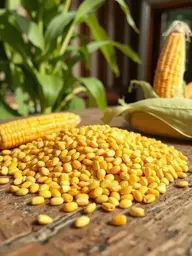 Ready to transform your gardening experience? Selecting the right sweet corn seeds can make all the
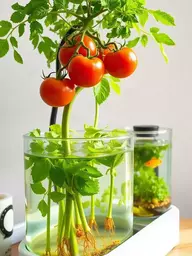 Imagine harvesting juicy, flavorful tomatoes while actively contributing to sustainable agriculture.
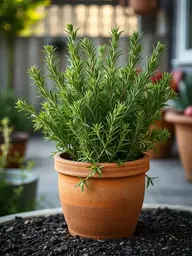 What if I told you that the secret to growing robust rosemary lies in the soil beneath your feet? Un
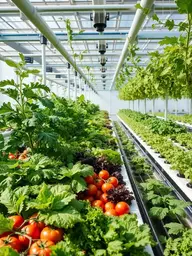 Have you ever wondered how innovative techniques in gardening can reshape our food production? Hydro
 As you prepare to embark on your journey of growing garlic, consider this: garlic cultivation isn't