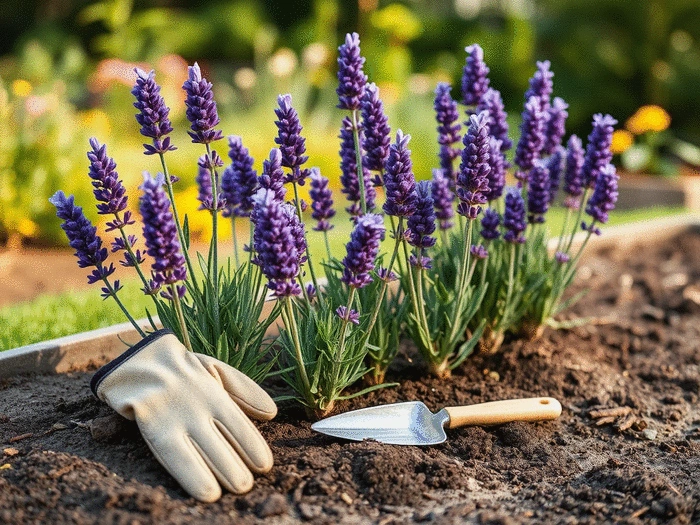
Growing English lavender not only enhances the beauty of your garden but also brings a myriad of benefits to your well-being. Consider how this resilient plant can transform your outdoor space into a fragrant sanctuary while providing essential support to local wildlife.
What You Will Learn
English lavender thrives in well-drained soil and full sunlight, making it essential for optimal growth.
Planting should occur in spring, after the last frost, to ensure successful establishment.
This hardy plant is particularly suited for USDA zones 5-9, thriving in a variety of climates.
Lavender's aromatic properties contribute to stress relief and improve sleep quality, making it valuable in aromatherapy.
Spacing lavender plants correctly (12-36 inches apart) allows them to flourish without overcrowding.
English Lavender: Key Characteristics & Planting Guide
Delve into the world of English Lavender with this quick guide on its unique properties and optimal planting conditions. Understanding plant tag information can further help you select the best varieties for your garden.
What Makes English Lavender Unique?
Aromatic Properties: Calming fragrance, used for stress relief and relaxation.
Hardiness: Thrives in cooler climates (USDA Zones 5-9).
Long Bloom Period: From late spring to early summer.
Optimal Planting Time
Season: Spring
Condition: After last frost
Temperature: Day temps above 60°F
Climate Considerations
Soil: Well-drained soil
Zones: USDA Hardiness Zones 5-9
Sunlight: At least 6 hours direct sun daily
Understanding English Lavender: An Overview
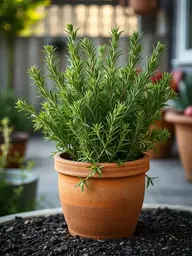
Welcome to the wonderful world of English lavender, scientifically known as Lavandula angustifolia. This delightful plant is adored for its stunning purple blooms and aromatic leaves. Not only is it a staple in gardens, but it's also a favorite in the realm of aromatherapy and herbal remedies. If you're looking to add a touch of elegance and serenity to your garden, English lavender is a fantastic choice!
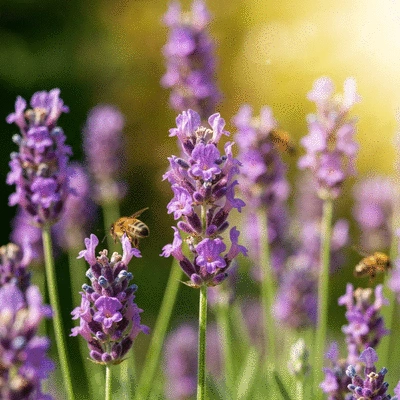
What truly makes English lavender unique is its resilient nature and ability to thrive in various conditions. With its bushy growth and fragrant presence, it brings a beautiful pop of color and a soothing scent to any outdoor space. Plus, it’s a vital resource for attracting pollinators like bees and butterflies, contributing to a healthy garden ecosystem!
What Makes English Lavender Unique?
English lavender stands out for several reasons:
Aromatic Properties: Known for its calming fragrance, it's often used to relieve stress and promote relaxation.
Hardiness: This variety is particularly hardy in cooler climates, making it a favorite among gardeners across the U.S.
Long Bloom Period: With its blooming season lasting from late spring to early summer, it provides beauty and fragrance for weeks.
These features not only highlight its aesthetic appeal but also its practicality, making it a staple in any garden enthusiast's collection!
Aromatherapy and the Benefits of English Lavender
Have you ever stopped to inhale the soothing scent of lavender? Its use in aromatherapy is well-documented, offering numerous benefits that can enhance your well-being. People often use lavender essential oil to help with anxiety, improve sleep quality, and even alleviate headaches. It’s amazing how something so simple can have such profound effects!
When incorporated into your home, English lavender can transform your space into a calming oasis. Just imagine diffusing its oil while you unwind after a long day. Many of my fellow gardeners at All American Gardeners have shared their experiences of how growing lavender has positively impacted their lives—not just in their gardens, but in their homes too! For more tips on overall plant health, check out our guide on essential plant care checklist.
Optimal Timing for Planting English Lavender
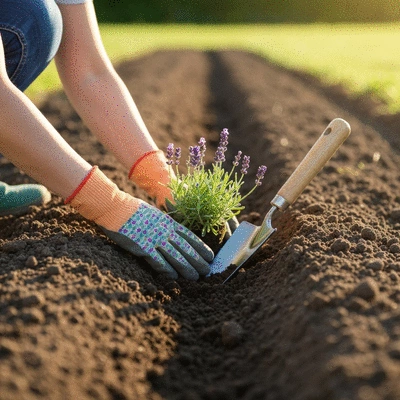
Timing is everything when it comes to planting English lavender. The best time to get your hands in the soil is in the spring, particularly after the last frost has passed. This gives your plants the best chance to establish themselves before the heat of summer hits!
Best Time of Year to Plant
Spring is the ideal season for planting English lavender. Typically, you want to wait until daytime temperatures consistently reach above 60°F. Here’s a simple checklist to consider:
Wait for the last frost date in your area.
Choose a sunny day to plant—this helps reduce transplant shock.
Prepare your soil in advance to ensure it's ready for your lavender plants.
Once these conditions are met, your lavender will have a great start to thrive!
Climate Considerations and Planting Zones
Understanding your local climate is crucial for successful lavender planting. English lavender prefers well-drained soil and thrives in USDA hardiness zones 5 through 9. Before you plant, consider these climate factors:
Temperature: Lavender enjoys warm weather but can withstand cooler temperatures when established.
Rainfall: Too much moisture can lead to root rot, so ensure proper drainage.
Sunlight: Aim for a location that receives at least 6 hours of direct sunlight daily.
By taking your region’s climate into account, you can ensure your English lavender flourishes beautifully in your garden. Happy gardening! For more insights into your specific region, refer to a comprehensive guide on USDA zone spring planting guide.
Pro Tip
Did you know? English lavender not only thrives in well-drained soil but also benefits from a little extra care during the summer months. Regular pruning after the blooming period encourages bushier growth and helps prevent the plant from becoming leggy. So, don’t be shy—snip away and enjoy a fuller, more vibrant lavender display in your garden!
Frequently Asked Questions about English Lavender
Q: What are the primary benefits of growing English lavender?
A: English lavender enhances garden beauty, provides aromatic properties for stress relief and improved sleep, and attracts pollinators like bees and butterflies, contributing to a healthy ecosystem.
Q: When is the best time to plant English lavender?
A: The ideal time to plant English lavender is in the spring, after the last frost has passed and when daytime temperatures consistently reach above 60°F.
Q: What kind of soil and sunlight does English lavender prefer?
A: English lavender thrives in well-drained soil and requires at least 6 hours of direct sunlight daily for optimal growth.
Q: In which USDA hardiness zones does English lavender grow best?
A: English lavender is particularly hardy and well-suited for USDA hardiness zones 5 through 9.
Q: How far apart should English lavender plants be spaced?
A: For optimal growth and to prevent overcrowding, English lavender plants should be spaced between 12 and 36 inches apart.
Summarizing Key Insights on Planting English Lavender
As we wrap up our exploration of English lavender, let’s recap the essential tips that can help you cultivate a thriving garden of this beautiful plant. First and foremost, remember that English lavender, or Lavandula angustifolia, thrives in full sun and well-drained soil. Planting during spring, post-frost, gives your lavender the best chance to establish itself. These simple steps will set you on the right path!
For optimal growth, ensure your lavender is spaced correctly—between 12 and 36 inches apart—allowing each plant room to breathe and flourish. Also, consider using organic amendments to enrich your soil, making it a nurturing environment for your lavender to thrive. With these foundational tips, you'll be well-equipped to enjoy the beauty and aroma that lavender brings to your garden!
Engaging with Our Community
Share Your Lavender Planting Experience and Tips
Now that you're armed with knowledge about planting English lavender, I’d love to hear about your experiences! Have you tried growing lavender in your garden? What tips and tricks have you discovered along the way? Please share your thoughts or ask any questions in the comments below. Engaging with fellow gardeners not only enriches our community but also helps us all learn from each other’s successes and challenges!
Additional Resources: Harvesting, Drying, and Lavender Products
If you’re eager to dive deeper into the world of lavender, I have some fantastic resources lined up for you! Here are a few ideas to get you started:
Harvesting: Learn the best time and methods for harvesting lavender to ensure maximum fragrance and flavor.
Drying Techniques: Discover how to properly dry your lavender for use in sachets, potpourri, or tea.
Culinary Uses: Explore recipes that incorporate lavender, from delightful baked goods to refreshing beverages.
Crafting Ideas: Get creative with lavender by making DIY projects like lavender-infused oils or bath products.
With these resources at your fingertips, you’ll be able to fully enjoy and utilize your lavender harvest, enriching your gardening journey with delightful aromas and creative projects. Happy gardening!
Recap of Key Points
Here is a quick recap of the important points discussed in the article:
English lavender (*Lavandula angustifolia*) is valued for its aromatic properties and hardiness in cooler climates.
The best time to plant English lavender is in the spring after the last frost, ensuring proper soil preparation and adequate sunlight.
English lavender thrives in well-drained soil and prefers a sunny location with at least 6 hours of direct sunlight daily.
Spacing your lavender plants 12 to 36 inches apart allows for optimal growth and air circulation.
Using organic amendments can enrich the soil, providing a nurturing environment for your lavender to flourish.
Subscribe & Share
2026-08-28
Growing Herbs with Hydroponics
Why settle for store-bought herbs when you can grow your own at home, in any space? Hydroponic garde
2026-08-27
Growing Sweet Corn from Seeds
Ready to transform your gardening experience? Selecting the right sweet corn seeds can make all the
Growing Your Own Garlic Bulbs
As you prepare to embark on your journey of growing garlic, consider this: garlic cultivation isn't
All American Gardeners
Your premier online resource for mastering home gardening across the U.S. We empower American home gardeners with expert tips, step-by-step guides, and sustainable practices for thriving outdoor spaces.
Trusted by gardeners nationwide, our mission is to provide reliable, easy-to-follow insights backed by Clara M. Greene's extensive horticulture experience and practical advice.