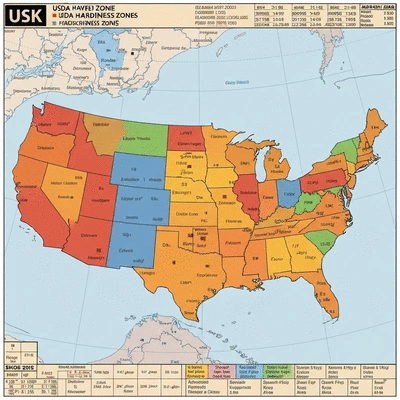
USDA Hardiness Zones: Temperature Ranges
Zone 1-4
Below -20°F
Zone 5-6
-20°F to 0°F
Zone 7-8
0°F to 20°F
Zone 9-10
20°F to 40°F
Zone 11-13
Above 40°F
Join Clara M. Greene's community for expert tips and seasonal guides tailored for American gardeners.
Posted on: 2026-02-26
By: Clara M. Greene
As the gardening season unfolds, understanding your USDA Hardiness Zone is essential for a successful planting experience. This knowledge not only guides your plant choices but can make the difference between a flourishing garden and a lackluster one. Ready to dig in? Let's explore what you'll learn!
Understanding USDA Hardiness Zones is crucial for successful gardening. This visual provides a quick reference for temperature ranges and introduces key planting recommendations for specific zones.
Below -20°F
-20°F to 0°F
0°F to 20°F
20°F to 40°F
Above 40°F
Peas, Lettuce, Spinach
Kale, Radishes, Early Potatoes
Beans, Tomatoes, Peppers
Okra, Sweet Potatoes
As we dive into the gardening season, one crucial aspect you need to grasp is the concept of USDA Hardiness Zones. These zones are a key tool that helps gardeners—like you and me—determine which plants are best suited for our local climates. Essentially, they categorize regions based on average annual minimum winter temperatures, which is vital for making informed planting decisions. For additional guidance on maximizing your garden's potential, consider exploring our organic gardening tips for beginners.
In the United States, these zones range from 1 (the coldest) to 13 (the warmest). Knowing your zone not only helps you select the right plants but also maximizes your garden's potential. Understanding this can make all the difference between a garden that flourishes and one that struggles!
The USDA Hardiness Zones divide the country into specific areas based on temperature data. Each zone represents a range of average low temperatures, making it easier for gardeners to choose plants that can thrive in their specific conditions. For example, if you live in Zone 5, you might consider planting cold-tolerant crops like kale or radishes.
Being aware of these zones allows you to make better choices when buying seeds or plants, ensuring they have the best chance of survival. So, as we prepare for spring planting, make sure to discover your USDA planting zone!
As spring approaches, understanding your USDA Hardiness Zone becomes even more important. Why? Because it directly affects when you should start planting your seeds. For instance, if you're in a warmer zone, you might be able to plant earlier than someone in a colder zone. This knowledge can help you plan your gardening activities effectively.
By knowing the specific zone you belong to, you can avoid the disappointment of planting too soon or too late, which could result in poor growth or even plant loss due to unexpected frost. Remember, timing is essential, and your zone plays a pivotal role in that!
The USDA Plant Hardiness Zone Map is an invaluable resource for gardeners. You can easily find it online, and it's quite user-friendly! This map visually represents all the zones, allowing you to see at a glance what plants are suitable for your area. It also helps you compare your zone with neighboring regions.
By utilizing the USDA Hardiness Zone Map, you can make informed decisions about your garden. Whether you’re a novice or a seasoned gardener, this tool is a game-changer for ensuring a productive gardening season!
According to the USDA, over 80% of gardeners report that knowing their hardiness zone has significantly improved their gardening success. Understanding these zones not only helps in selecting the right plants but also in maximizing the yield of your garden!
As we wrap up our journey through the world of spring planting, it's important to focus on the key takeaways that can help you make the most out of your gardening efforts. With a little knowledge about your USDA hardiness zone and the right timing for planting, you can set your garden up for success!
Here’s a quick recap of what to sow first in each USDA zone:
Each zone presents unique opportunities, and by aligning your planting schedule with these recommendations, you’ll ensure a flourishing garden all season long. Remember, the joy of gardening comes from both the process and the products!
USDA Hardiness Zones categorize regions in the United States based on their average annual minimum winter temperatures. This helps gardeners choose plants that can survive the winter cold in their specific area.
Knowing your zone is crucial for successful gardening because it guides you in selecting plants that are likely to thrive in your local climate. It also helps you determine the optimal planting times to avoid damage from frost or extreme cold, maximizing your garden's potential.
You can easily find your USDA Hardiness Zone by using your zip code on the official USDA Plant Hardiness Zone Map, which is available online. This map visually represents all the zones and provides detailed information.
Planting species that are not suited for your Hardiness Zone can lead to poor growth, plant stress, or even plant death, especially during extreme winter temperatures. Plants typically recommended for warmer zones may not survive in colder zones, and vice-versa for plants needing a cold dormancy period.
Yes, planting schedules vary significantly by Hardiness Zone. Warmer zones generally allow for earlier spring planting and longer growing seasons, while colder zones require later planting dates and a focus on cold-tolerant varieties.
Gardening is not just about plants and soil; it’s also about community! Engaging with fellow gardeners enriches your experience and opens the door to new ideas and inspiration. Let’s explore some ways to connect with others who share your passion!
One of the best ways to learn is to share! Whether it’s through social media or local garden clubs, sharing your experiences and tips can provide valuable insights for others. Have you discovered a great technique for starting seeds? Or maybe a favorite pest control method? Sharing these gems not only builds community but can also help you refine your own practices.
Don't hesitate to ask questions! Engaging in discussions about seasonal planting can lead to eye-opening discoveries. You might find that someone else has faced a similar challenge and has a solution that works wonders. Initiating conversations or joining gardening forums can be a rewarding way to enhance your gardening knowledge. For example, you might discuss choosing the right gardening seeds for your specific climate.
Consider getting involved in community gardening initiatives. These programs not only beautify neighborhoods but also foster friendships and teamwork. You’ll have the chance to learn from more experienced gardeners, share resources, and even contribute to the sustainability of your community. Plus, there’s nothing quite like the camaraderie of working alongside fellow green thumbs!
At All American Gardeners, we encourage you to embrace the spirit of community in your gardening journey! Remember, every seed sown is a step toward not only a thriving garden but also a thriving community. Happy gardening!
Here is a quick recap of the important points discussed in the article: