Herbs That Thrive Together
Posted on: 2026-03-08
By: Clara M. Greene
Did you know that aligning your herbs in the garden can transform not just their health but also the flavor of your meals? Companion planting is the secret ingredient to a thriving herb garden!
What You Will Learn
- Companion planting enhances pest control by using specific herbs to repel unwanted visitors.
- Strategically pairing herbs can significantly boost their flavors, making your meals more delicious.
- Understanding light, soil, and watering needs is essential for successful herb pairings.
- Optimizing garden space through companion planting maximizes growth and productivity.
- Many culinary herbs provide health benefits, enriching both your garden and your kitchen.
The Art of Companion Planting: Benefits and Key Factors
Unlock the secrets to a thriving herb garden with strategic companion planting. This visual guide highlights the key advantages and essential considerations for successful plant pairings. If you're looking to start your herb garden from scratch, consider checking out our guide on growing your own herb garden for initial steps.
Benefits of Companion Planting
- ✓ Enhanced Flavor: Boosts taste of neighboring plants.
- ✓ Pest Control: Deters unwanted pests naturally.
- ✓ Optimized Space: Efficient use of garden area.
- ✓ Health Benefits: Many culinary herbs offer advantages.
Key Factors for Successful Pairing
- ● Light Requirements: Match sun exposure needs.
- ● Soil Type: Ensure similar soil preferences.
- ● Watering Needs: Group herbs with similar hydration.
- ● Growth Habits: Consider plant size and spread.
Getting Started with Your Herb Garden
- ● Choose Herbs: Select basil, chives, rosemary.
- ● Plan Layout: Arrange using companion principles.
- ● Gather Supplies: Soil, pots, watering tools.
- ● Start Planting: Follow best practices for results.
Understanding Companion Planting for Herb Gardens
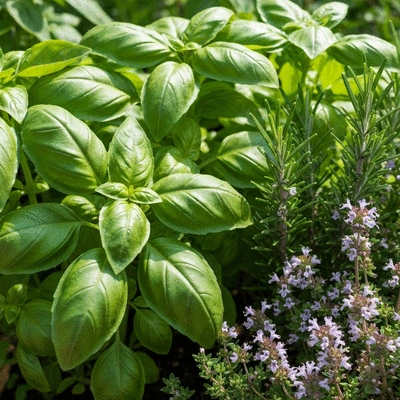
Companion planting is a gardening technique that brings together different plants for mutual benefit. In the realm of herb gardens, this practice can significantly enhance your gardening success! By strategically pairing herbs, you're not only promoting pest control but also boosting flavor and growth. For instance, did you know that planting basil alongside tomatoes can improve both plants' flavors? That’s the magic of companion planting!
What Is Companion Planting and Why Does It Matter?
At its core, companion planting involves the thoughtful arrangement of plants to create a harmonious garden ecosystem. This method can lead to healthier plants, reduced pests, and even increased yields from your herb garden. Here are some benefits of companion planting:
- Pest Control: Certain herbs can repel pests that typically harm others.
- Flavor Enhancement: Some herbs improve the taste of neighboring plants.
- Efficient Space Use: Pairing compatible herbs can maximize your garden space.
In my gardening experience at All American Gardeners, I've seen firsthand how these arrangements transform not only the health of your herbs but also the overall productivity of your garden. Embracing companion planting is a step towards a thriving garden! For more insights on maximizing your garden's potential, explore our companion planting guides by zone.
Key Factors for Successful Herb Pairing
When it comes to companion planting, understanding the growing conditions of your herbs is crucial. Here are some key factors you should consider to ensure successful pairings:
- Light Requirements: Most herbs thrive in full sun, but some, like parsley, prefer partial shade.
- Soil Type: Ensure your herbs share similar soil preferences—some prefer well-draining soil while others thrive in richer, more moisture-retentive conditions.
- Watering Needs: Group herbs with similar watering needs to avoid over- or underwatering.
By matching these conditions, you can create an environment where your herbs can flourish together! Remember, understanding your plants' needs is half the battle in gardening. That’s what makes being a part of the gardening community so rewarding—sharing tips and learning together!
Interactive Poll
We want to hear from you! What do you find most exciting about companion planting? Share your thoughts below:
Summarizing the Benefits of Growing Herbs Together
As we’ve explored, companion planting offers a world of benefits for our herb gardens. By pairing herbs thoughtfully, we can boost their growth, enhance flavors, and even fend off pests. This technique not only elevates your culinary creations but also enriches your gardening experience. Remember, the right combinations can create a vibrant ecosystem right in your backyard!
Here are some of the key advantages we discussed:
- Enhanced Flavor: Certain herbs release compounds that boost the flavors of their companions.
- Pest Control: Many herbs, like basil and marigolds, can deter unwanted pests naturally.
- Optimized Space: Companion planting allows for efficient use of garden space and resources.
- Health Benefits: Many culinary herbs offer health advantages, making your garden not just beautiful but beneficial!
By understanding these factors, you can cultivate a garden that is not only productive but also a joy to tend. The art of pairing herbs will bring more than just aesthetics to your garden; it will enhance your kitchen and health!
Frequently Asked Questions About Companion Planting Herbs
What is companion planting?
Companion planting is a gardening technique where different plants are grown close together for mutual benefit, such as pest control, enhanced growth, or improved flavor.
How does companion planting benefit herbs?
It can enhance flavor, deter pests, optimize garden space, and contribute to the overall health and vigor of your herb garden.
Which herbs are good for pest control?
Herbs like basil and marigolds are known to deter various pests, protecting neighboring plants.
What factors should I consider when pairing herbs?
Key factors include light requirements, soil type, and watering needs to ensure compatibility and healthy growth.
Can companion planting improve the taste of herbs?
Yes, certain herb pairings, such as basil with tomatoes, are believed to improve the flavor of both plants.
Get Started with Your Herb Garden Today
Are you ready to embrace the power of companion planting and design your own herb garden? It’s time to roll up your sleeves and get growing! Start by selecting the herbs that resonate with your cooking style and local climate. Consider the combinations we discussed, and don't hesitate to experiment—gardening is all about learning!
- Choose Your Herbs: Pick a few herbs to start with, such as basil, chives, and rosemary.
- Plan Your Layout: Use companion planting principles to arrange your herbs effectively.
- Gather Supplies: Ensure you have quality soil, pots (if container gardening), and appropriate watering tools. Our guide on essential tools for new gardeners can help you get equipped.
- Start Planting: Follow the planting tips shared earlier for the best results.
And don’t forget, I’m right here to support you along the way! If you have questions or need advice, feel free to reach out. At All American Gardeners, we believe every gardener can thrive with the right resources and community support!
Join Our Community of Herb Garden Enthusiasts
Let’s grow together! I encourage you to connect with fellow gardeners who share your passion for herbs. Join our community where you can share experiences, ask questions, and celebrate your gardening journey. Whether you’re a seasoned pro or just starting out, we’re here to support each other. Share your tips, challenges, and triumphs, and let’s cultivate a garden of knowledge together!
Recap of Key Points
Here is a quick recap of the important points discussed in the article:
- Companion Planting Benefits: Enhances pest control, boosts flavor, and optimizes garden space.
- Successful Pairing Factors: Consider light requirements, soil type, and watering needs for healthy herb combinations.
- Key Herb Combinations: Pairing basil with tomatoes enhances both flavors; marigolds can deter pests.
- Get Started: Choose herbs that align with your cooking style, plan your layout effectively, and don’t hesitate to experiment!
 Why settle for store-bought herbs when you can grow your own at home, in any space? Hydroponic garde
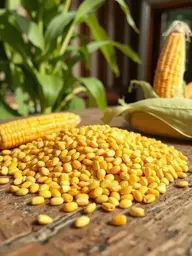 Ready to transform your gardening experience? Selecting the right sweet corn seeds can make all the
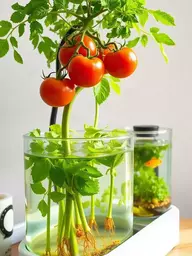 Imagine harvesting juicy, flavorful tomatoes while actively contributing to sustainable agriculture.
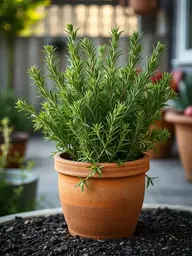 What if I told you that the secret to growing robust rosemary lies in the soil beneath your feet? Un
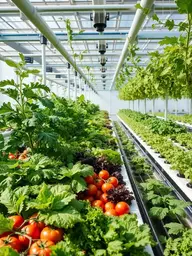 Have you ever wondered how innovative techniques in gardening can reshape our food production? Hydro
 As you prepare to embark on your journey of growing garlic, consider this: garlic cultivation isn't